PHOTO
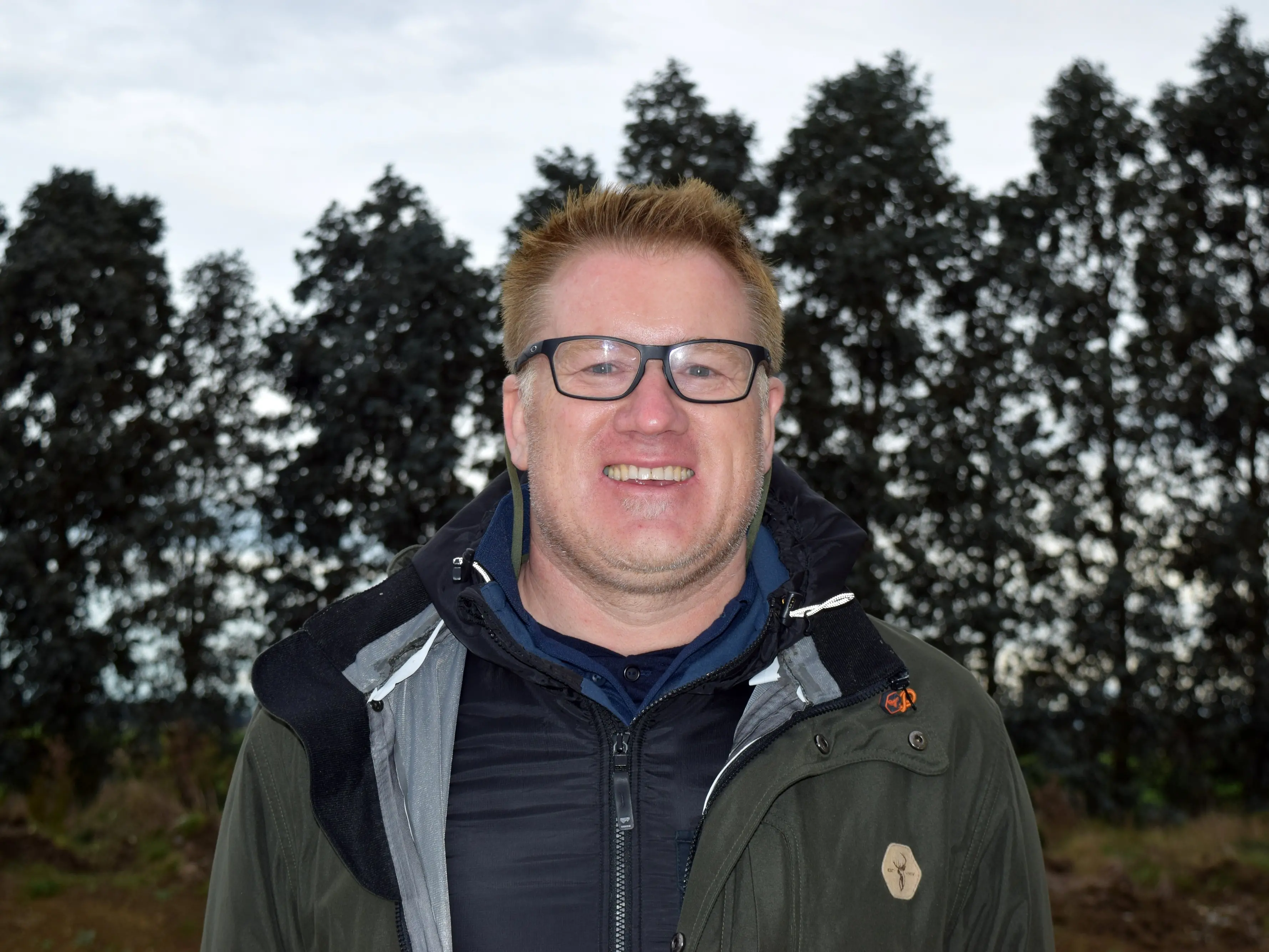
A landscape is the "engine room" of a farm business and important to understand, a scientist says.
Land & Water Science director Clint Rissmann, of Invercargill, spoke at a DairyNZ Field Day about the expansion of Birgit and Jon Pemberton’s dairy platform in Southland.
"I’m doing work from Northland to Southland and I’m seeing huge opportunities."
Between 30% and 70% of the variation in productivity within a farm was due to landscape factors, such as aspect, elevation, slope, soil type and water table, Dr Rissmann said.
"Mother Nature has a massive say over productivity and our environmental performance, that’s why we need to understand it."
A farmer’s knowledge of their landscape allows them to create efficiencies in their system, he said.
"We need to understand what is under the hood because it is so fundamental."
He praised the Pembertons for wanting to understand the landscape before making investment decisions.
"This is a hugely complex area at the edge of a river system."
Data showed groundwater entering the Pemberton’s farm carried nitrates to the lower Mataura River.
High-resolution soil scanning provided more than 37,000 data points to produce information including soil texture, drainage class, bulk density, organic carbon and mineral potassium.
"Every soil has a finger print," Dr Rissmann said.
A better understanding of the landscape allowed for better business decisions and greater efficiencies for production and environment.
The information provides confidence on the effectiveness of mitigations.
"Who wants to invest in something that is not an environmental problem? A lot of that happens unfortunately."
A wetland created on the Pemberton’s farm was doing meaningful work.
Mapping of nutrient levels across different soil types on the farm allows the Pembertons to apply the right amount and type of nutrients in the right place.
Nutrients should be retained in the soil to grow feed, Dr Rissmann said.
"As opposed to them being flushed down the drain, which is a big cost to people and a big cost to the environment."
Mr Pemberton said he now had a far better understanding of the landscape of his farm.
"How we interact with it, what needs to change and to have the confidence to make some decisions."