PHOTO
Water quality is the biggest constraint to growth on dairy farms, a milk processor says.
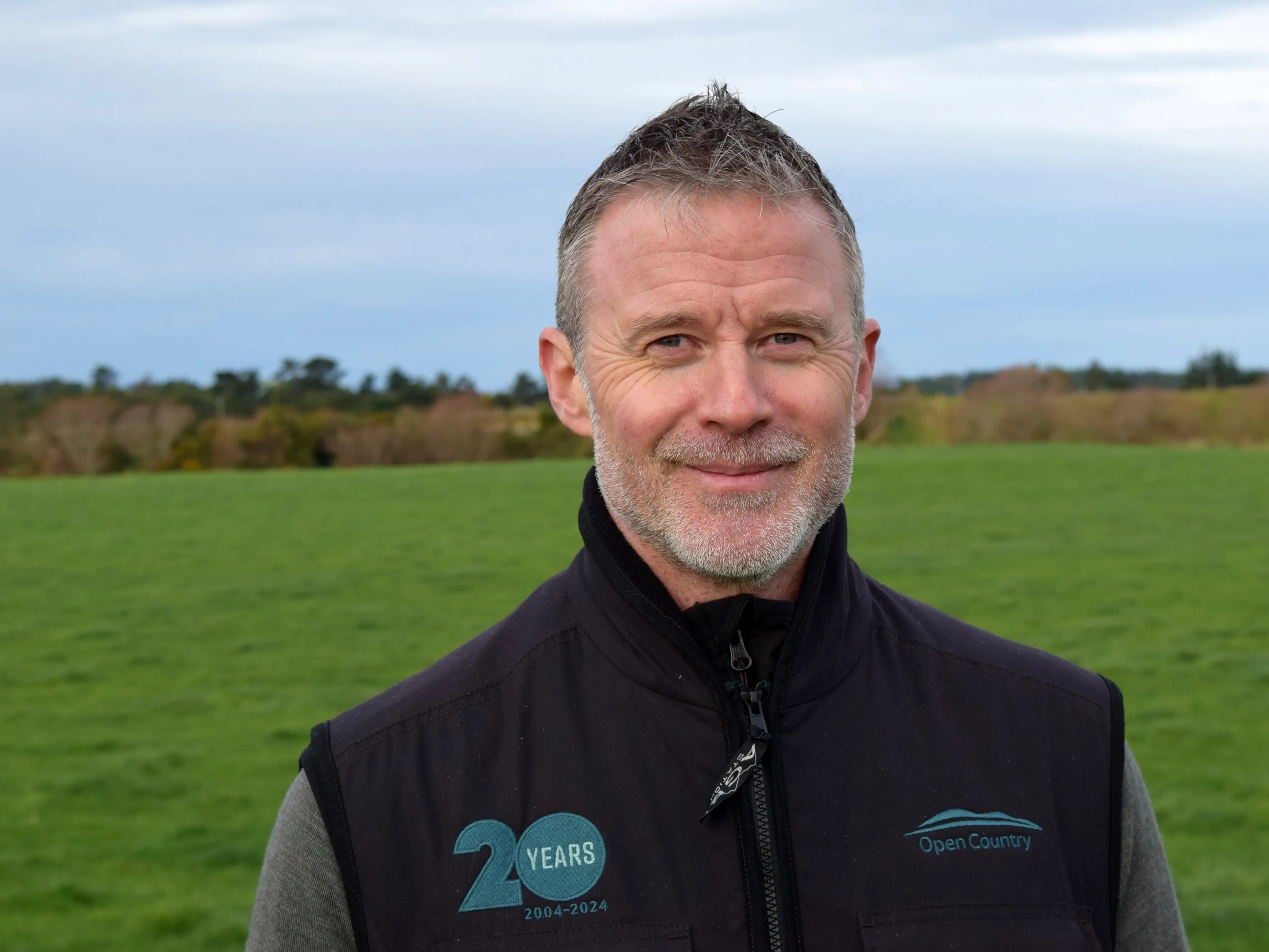
Open Country Dairy head of sustainability initiatives Aslan Wright-Stow, of Christchurch, spoke at a DairyNZ Field Day showcasing the expansion of Birgit and Jon Pemberton’s dairy platform in Southland.
Water quality was the clearest constraint on growth within environmental limits, Mr Wright-Stow said.
"That becomes a constraint and an opportunity."
Nutrient and groundwater pressures meant growth must be designed carefully from the start.
More efficient systems and targeted mitigations could improve productivity while reducing environmental risks.
"A system needs to demonstrate how it operates in a responsible way within environmental limits — the rules, regulations and communities require that."
Dairy farmers need to grow their business to be profitable, resilient, lower risk and able to withstand scrutiny.
"What kind of growth is future-fit?"
The biggest opportunity for growth came from increasing efficiency on farm.
"More from the same resource or the same from less."
Efficiency was where commercial and environmental outcomes most often aligned.
"Efficiency is the bridge between farm profitability and a lower environmental footprint."
Efficiency gains could be made by pulling levers relating to feed, fertiliser, animals, infrastructure and capital.
Farmers need to understand landscape risk and opportunity.
Precise data on landscape could help farmers make decisions on how to match land use, mitigations and investment to risk and opportunity.
Not all land was capable of doing the same job, nutrient loss pathways vary across a farm, mitigations work best when placed appropriately and investment should go where it creates the most value.
"The right activity, the right place, the right investment."
The Pemberton’s farm was an example of future-ready dairy growth.
Their farm was designed around environmental limits, invested in efficiency and resilience, used data to target risk and opportunity, integrated water, nutrients and energy into farm design and created a business for the long term.
Open Country Dairy customers had a growing interest in sustainability assurance, he said.
However, customers had a greater interest in food safety, quality and reliability of supply.
Customers such as Nestle were investing in sustainable programmes, such as net zero targets, through direct investment on-farm.
Customers were "risk-mapping the globe" to gain confidence they were sourcing ingredients from resilient markets.
"New Zealand maps quite well in that space, which is great."