PHOTO
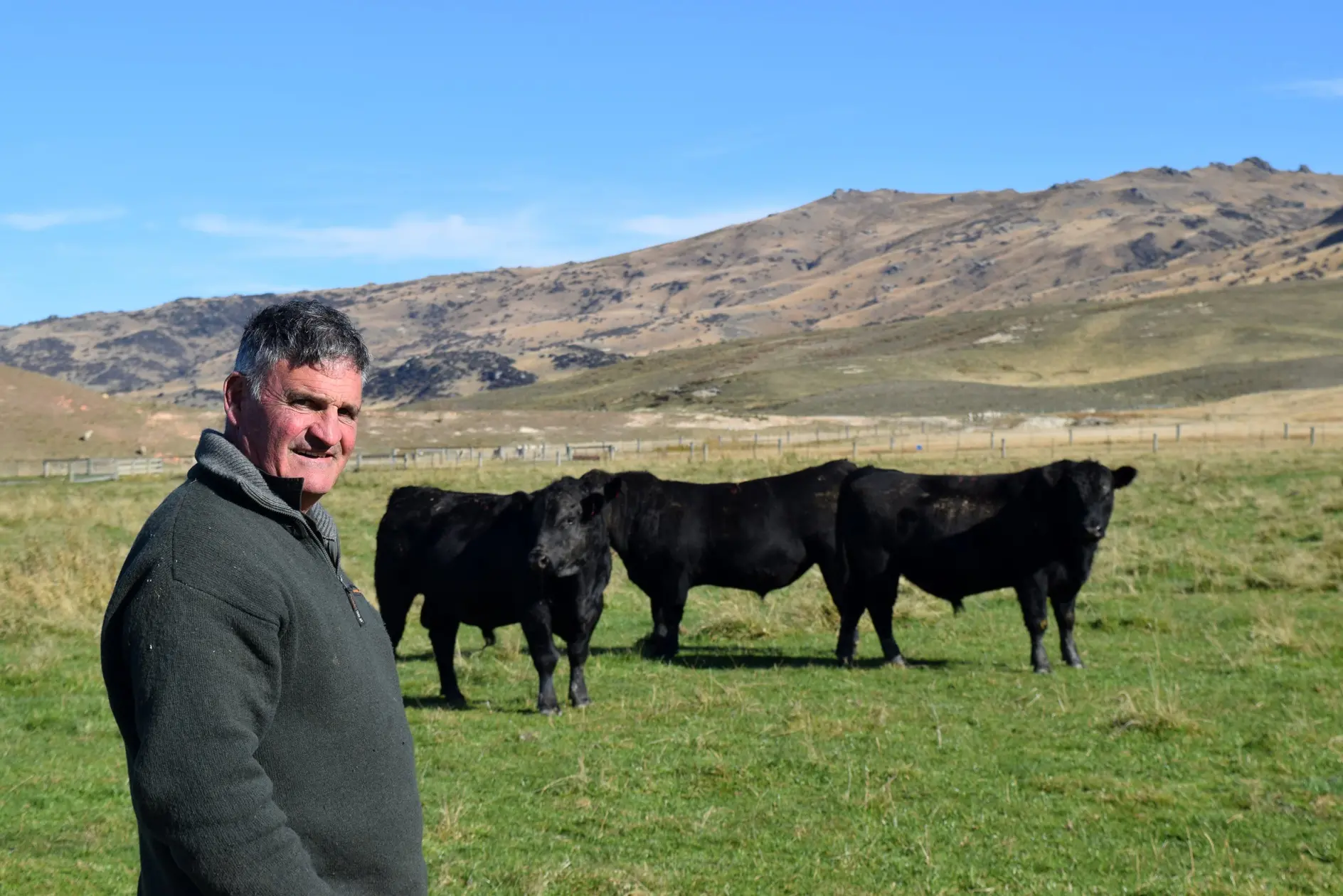
Maniototo bull breeder Stu Duncan is buoyant about the leadup to his sale.
"The preseason hype feels good."
Penvose Angus will hold its 40th annual bull sale on-farm in White Sow Valley near Wedderburn on Friday.
The Duncan family will offer about 40 rising 2-year-old Angus bulls.
Market signals were for demand for bulls to be strong this season, such as record prices for weaner calves at autumn sales.
A booming beef market had Maniototo farmers running more cows, so more bulls would be needed at mating.
Another trend was more farmers running more beef cattle in their farm systems to reduce worm-burden in their sheep flock.
Beef cattle numbers on Maniototo farms were returning to levels similar to when Mr Duncan started farming decades ago.
"There’s a lot more cows."
Sheep and beef prices had rebounded after a collapse a few years ago, when farmers and stud owners bought fewer bulls than they wanted to weather tight financial times.
He expected farmers would now have the confidence to buy the number of bulls they wanted.
The only difference at the sale this year was a light luncheon would be served near where the bulls were on display.
Traditionally the luncheon was served in the woolshed.
"Our biggest decision was that you’ll be eating your pie while you’re looking at the bulls. Apart from that, it’s a standard day — we’ve been doing it a long time now."
Bull buyers were mostly repeat clients, farming on hill country in Central Otago.
Some bulls were bought by farmers in Western Southland and North Otago.
"Our client base is pretty loyal."
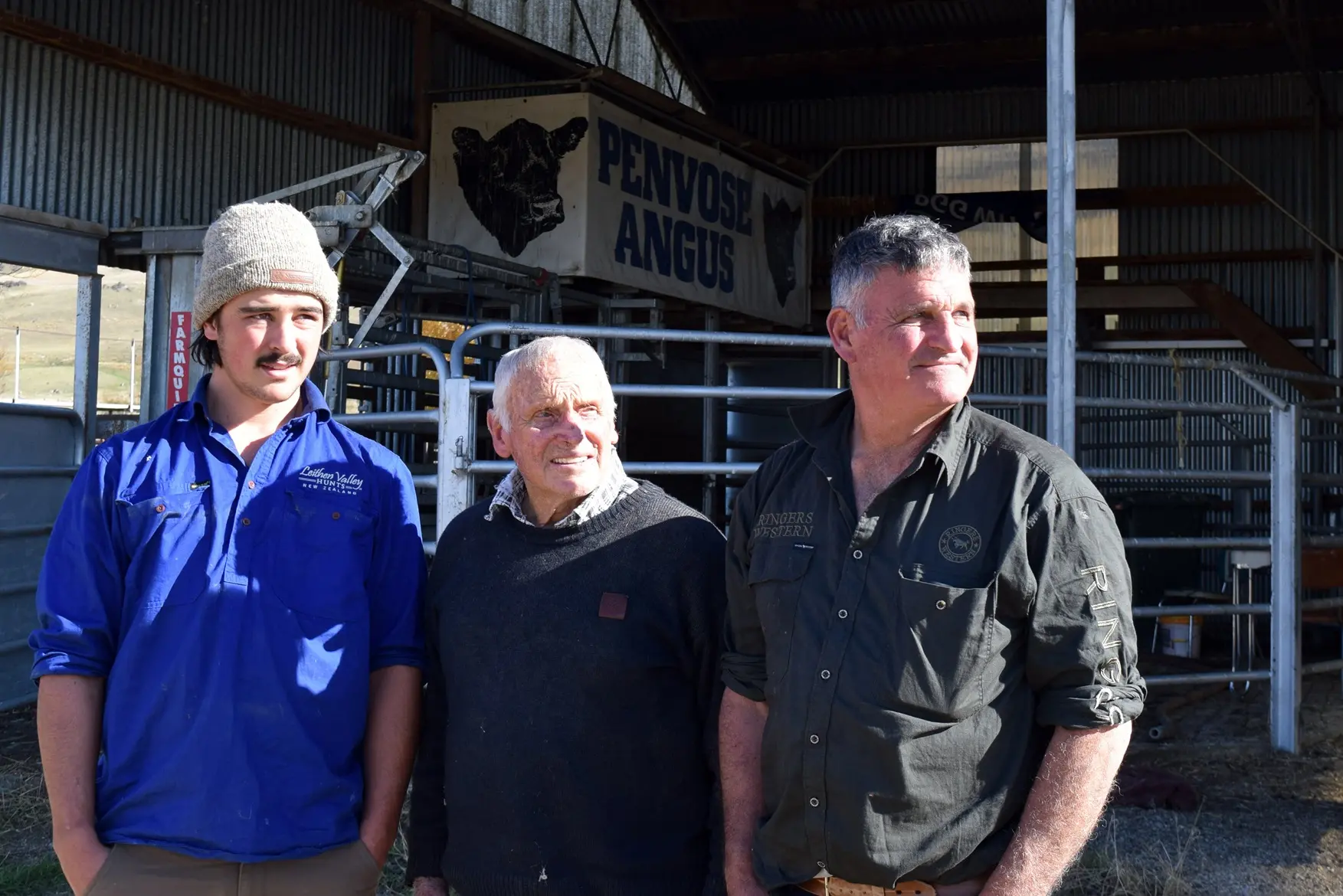
Three generations of Duncan men, Stu and his father Graeme, 87, and youngest son Todd, 21, work on the more than 2000ha family sheep, beef and deer farm.
Five generations of the Duncan family had worked on Penvose since 1894.
The Duncan family were also equity partners in a dairy farm and own and run accommodation on Penvose.
The Angus stud’s breeding programme targets producing cattle with good temperaments and meaty carcasses featuring intramuscular fat.
He was continually searching for international genetics to improve performance and estimated breeding values of his herd.
"Our EBVs are out the gate — some are in the top 1% for Australasia."
The sourcing of genetics to improve the herd was rewarding.
"We are artificially inseminating more cows now than we ever have."
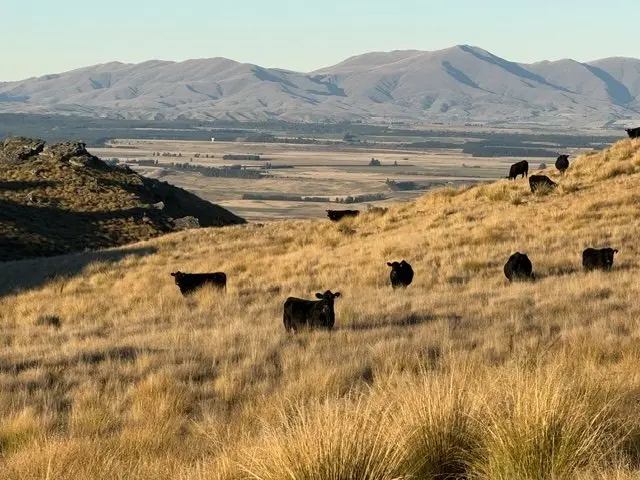
The cows spent the winter in hill country and could be grazing up to nearly 1000m above sea level.
Penvose was the highest Angus stud above sea level in New Zealand.
"Our bottom paddock is 530m above sea level."
A drone was used to muster cattle from the top of hill blocks.
The bull sale at Penvose Angus was once held on June 3 and used to be the first bull sale of the season in the South.
Now they were the thrid on-farm bull sale of the season.
An earlier sale suits their farm operation as it was easier to keep condition on the bulls, as when frosts hit, grass growth stops and supplementary feed was required.
A challenge for clients of an early bull sale was they had to set the market value for the season.
Often bull prices increased as the season progressed.
"Some will hang off for the Canterbury sales and pay a lot more."
Graeme said before the sale was held on farm, Penvose and other studs owners sold bulls at sale yards in Clinton and then Omakau.
"There has been a bit of a change in the cattle game."
The Angus breed was once the "odd one out" on the Maniototo and Herefords were more common.
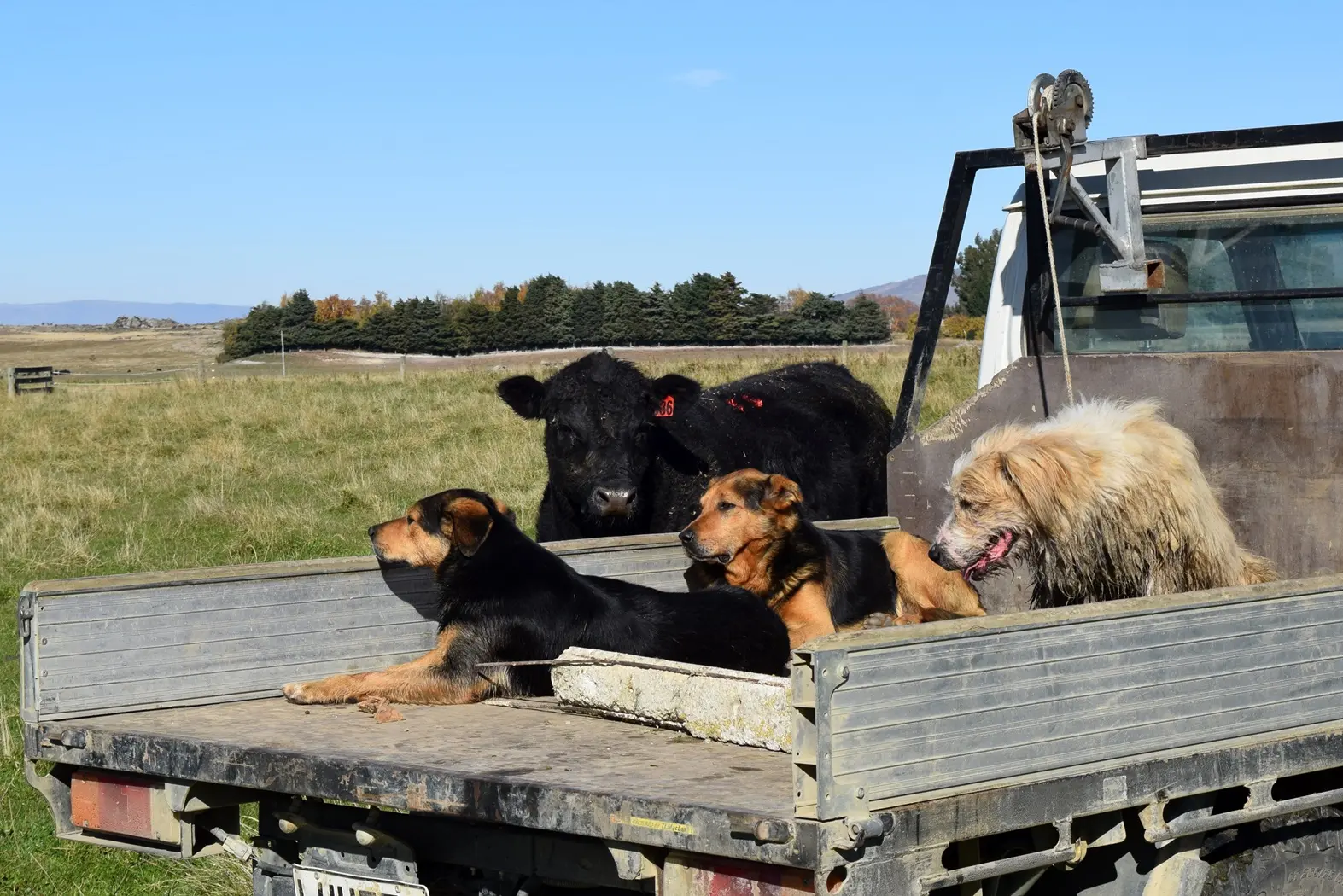
Angus bulls in New Zealand were once "small and dumpy" and now they were much bigger due to gains made from the use of global genetics.
"We search the world for genetics that suit us and our clients follow," Graeme said.
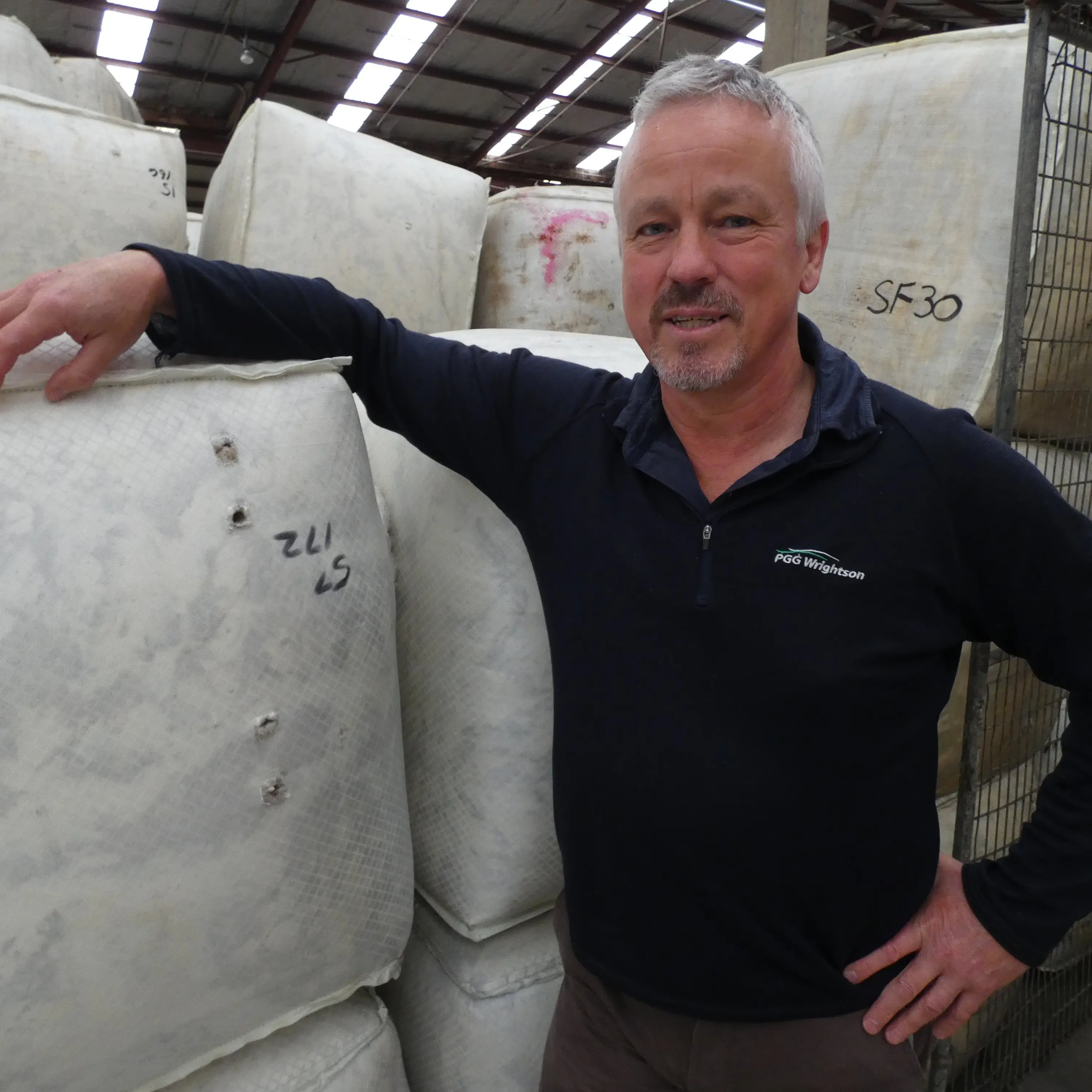
PGG Wrightson national genetics manager Callum McDonald said everyone was looking forward to the start of the bull sale season in the South.
The weather had been favourable to get bulls in top condition, calf sales had gone well and the beef market was buoyant.
He expected the ongoing positivity in the sector to flow through to the bull sales.
Genetics was a long term game and buyers seeking top traits to put in their herds, always chased the best bulls, no matter the season.
"They're always trying to find those good genetics to capitalise on years like this, where their calves are worth a bit of money and you can make hay while the sun shines."
The on-farm bull sale season in the South concludes at Fossil Creek Angus in North Otago on June 9.