PHOTO
More Southern farmland is set to be covered in forestry.
A Swiss company has been given consent to buy a nearly 500ha farm in South Otago for forestry conversion.
The Overseas Investment Office has approved the sale of the farm in Hillend, about 20km north of Balclutha, to 100% Switzerland-owned company Corisol New Zealand Ltd.
Corisol paid the vendors — Alistair Lovett, Mark Tavendale and A R Lovett Trustees — $4.8million for the farm, which in the consent was described as a breeding and finishing unit.
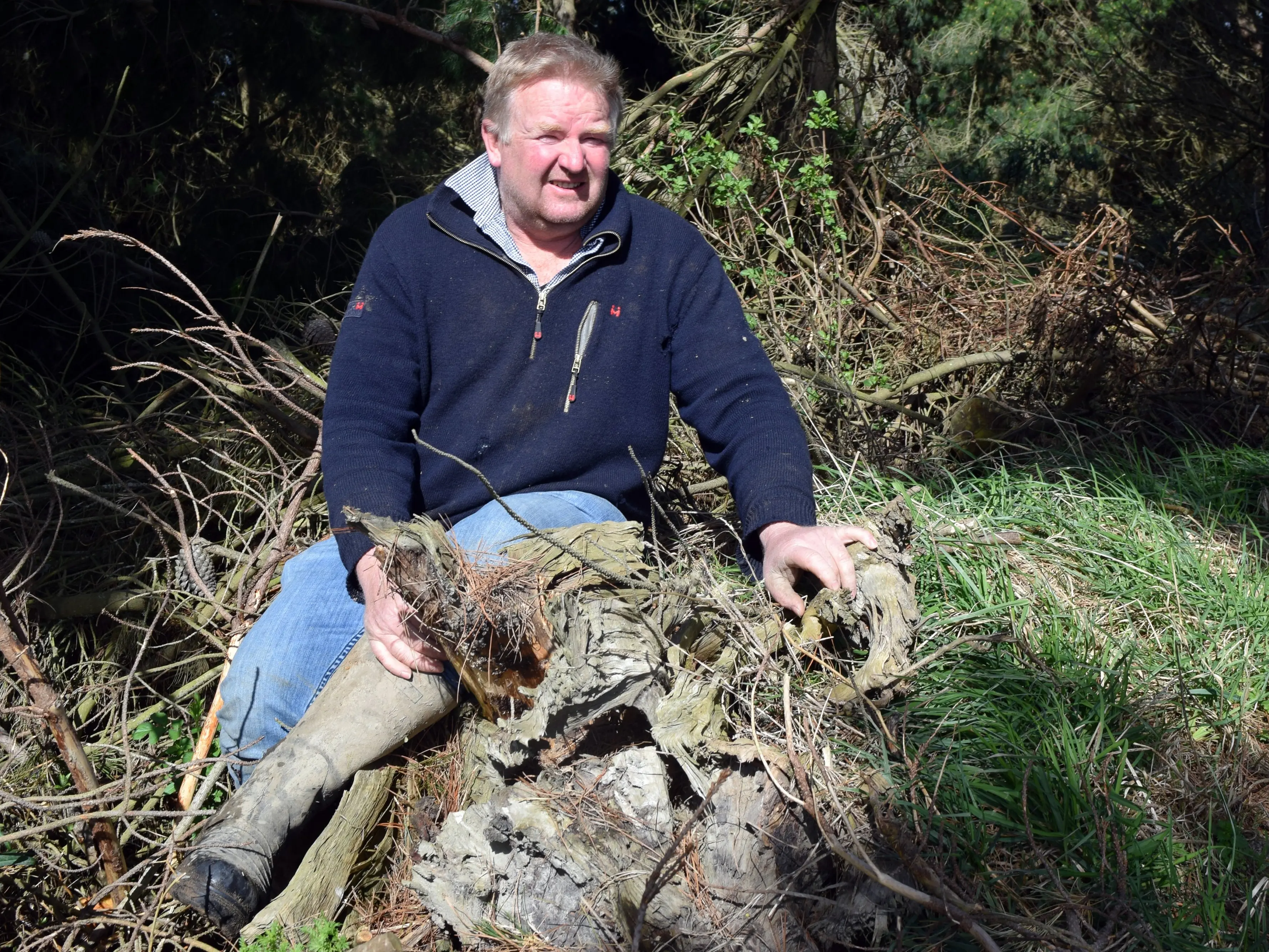
The consent states Corisol intends to subdivide and sell about 71ha of land and its dwellings and covert about 400ha to commercial forestry.
Planting was expected to start in winter next year.
Attempts to contact Mr Lovett and Mr Tavendale, including visiting the farm, have been unsuccessful.
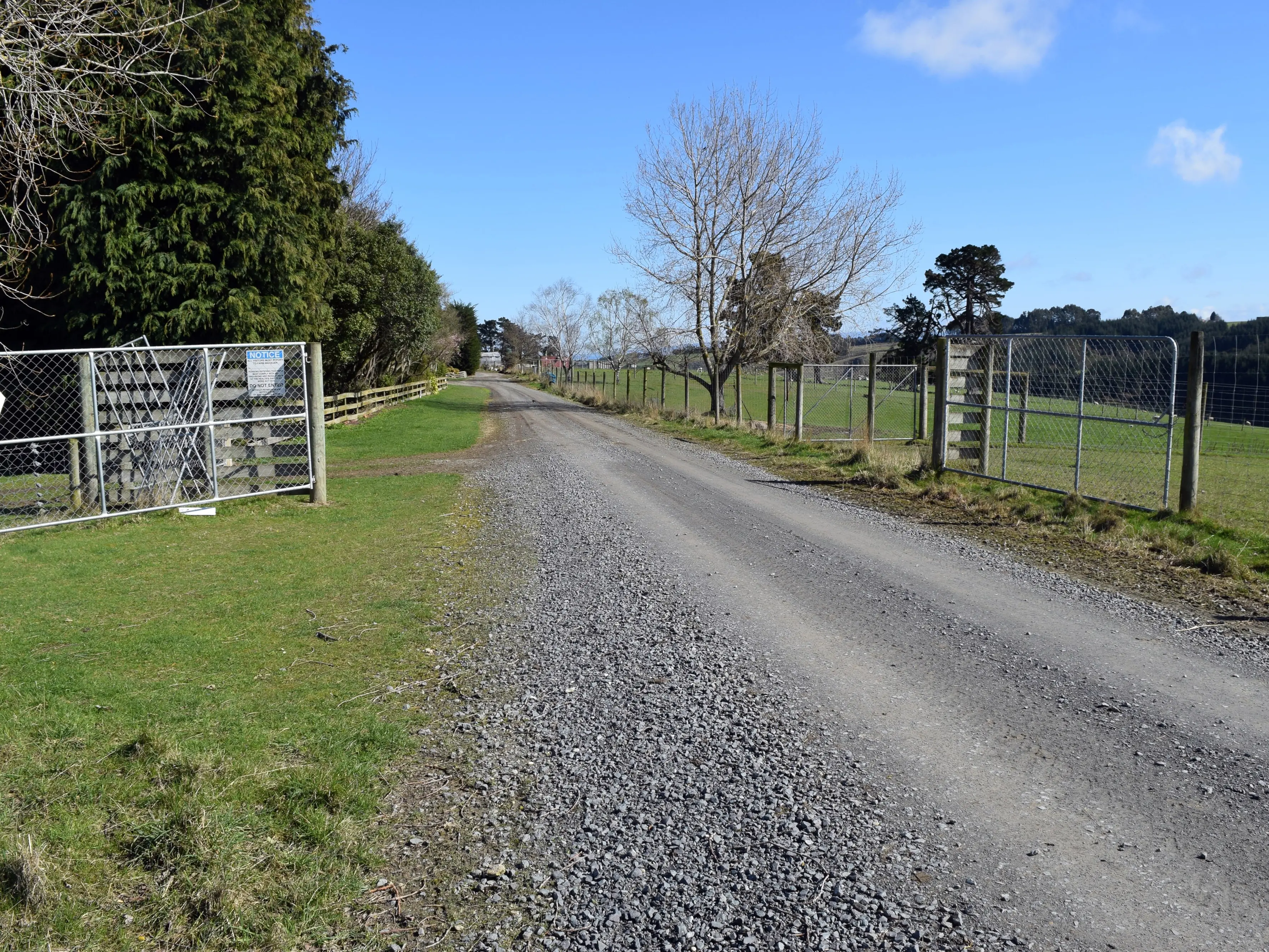
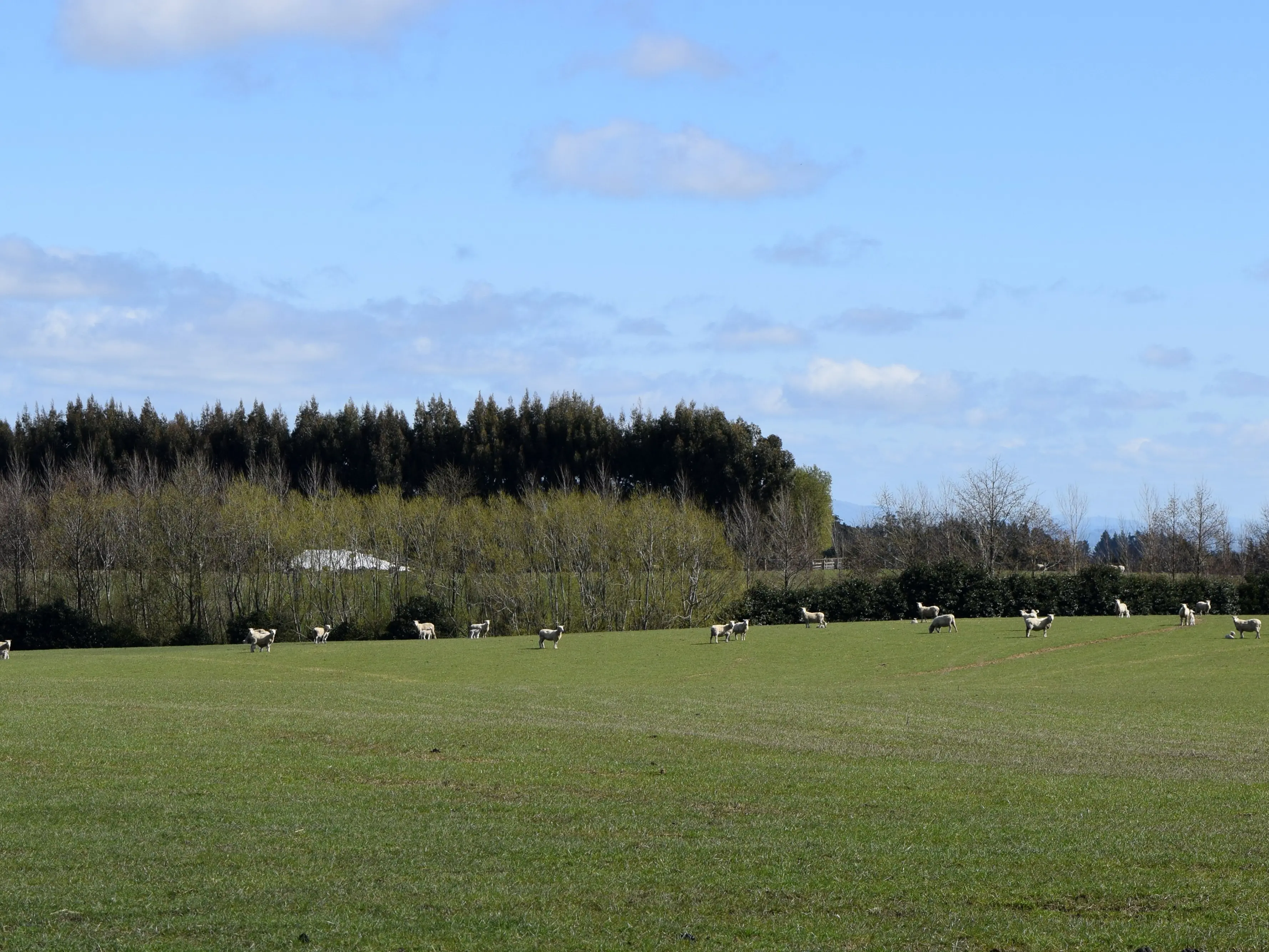
When Southern Rural Life visited, sheep were in a paddock to the left of the driveway and deer were on the other side.
Sheep and beef farmer Stephen Jack, who runs his operation about 10km south of the farm set to become forestry, said the sale was a ‘‘shame’’.
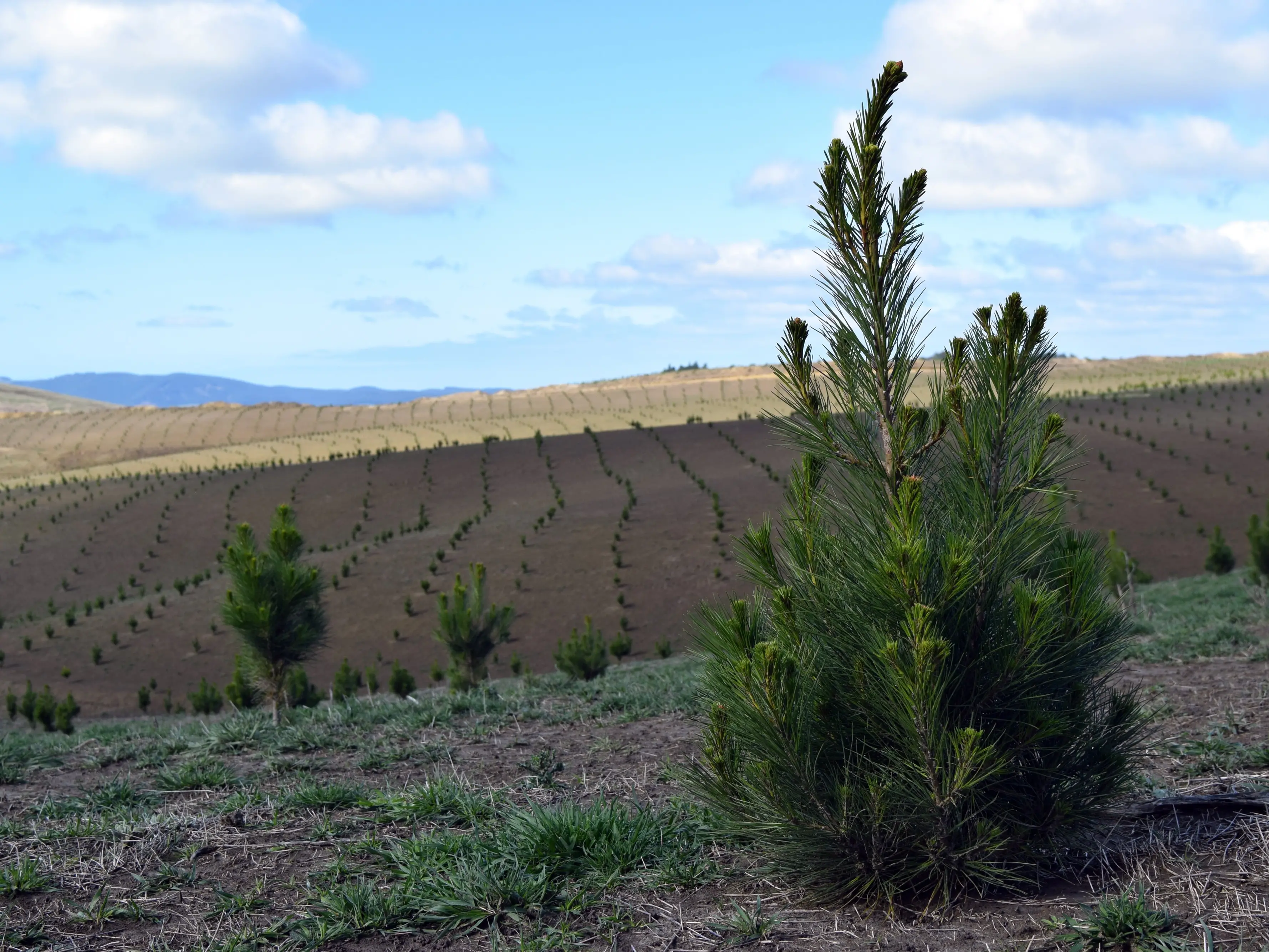
He feared the Government had not considered the consequences of its New Zealand Emissions Trading Scheme, which encourages the planting of trees.
Rising prices on the carbon market were a serious threat to ‘‘the fabric of farming in rural New Zealand’’.
Sheep and beef farms and land used for dairy run-off was ‘‘disappearing before our very eyes’’.
As carbon prices continue to rise, farmers were being offered ‘‘big money’’ to sell their land.
He expected ‘‘huge swathes of the Otago hinterland to be gobbled up by trees’’.
‘‘There’s going to be no avoiding it — it’s going to be the death of sheep and beef farming as we know it.’’
The rising carbon prices had prompted him to plant more trees on his more than 400ha farm.
He had considered covering all of his farm in trees.
‘‘You’d be mad not to.’’
At the moment, more money could be made from carbon forestry than sheep and beef farming.
The risk of planting the farm in forestry was the Government changing the rules and the carbon income ‘‘disappearing’’, leaving the market with an oversupply of timber.
‘‘As soon as the Government money turns off, pinus radiata might be a tough commodity to market.’’
He had many concerns about more farms becoming forestry.
When a large farm nearby in Coe Rd was transformed into a forestry block, he posted a video on social media describing it as a ‘‘moonscape’’ and a suitable scene for a Mad Max movie.
In the video, he turns around to show some sheep grazing in lush paddocks across the road.
Some of the forestry might never be thinned or pruned, like some neglected commercial blocks in his area.
‘‘It’s a mess,’’ he said of one of the forestry blocks.
Unmaintained forestry posed a fire risk.
Although some overseas investors were buying farms for commercial forests, he feared some of the trees would stay in the ground longer than stated on the consent because it would be uneconomic to harvest them due to high carbon market prices.
Farms being converted to forestry would reduce downstream employment opportunities and have a negative financial impact on companies, such as meat processors and rural service providers.
‘‘The only income to the local economy that’s going to come off those places is rates.’’
The sale of the Clutha farm was one of five sales of forestry land or farmland for conversion to forestry in New Zealand to overseas companies approved by the Overseas Investment Office in July, including a 2018ha sheep and beef farm at Mount Trotter, near Palmerston.
Last week, it was revealed Ingka Group — one of 12 different groups of companies that own Swedish furniture and homeware giant Ikea — had been given consent to buy 5500ha sheep and beef farm Wisp Hill Station in the Catlins for a forestry development.
The New Zealand Forest Owners Association spokesman Don Carson said the effects of forestry expansion on communities was ‘‘positive’’.
A PricewaterhouseCoopers report ‘‘put paid to claims that forestry automatically costs jobs and income at the expense of hill country farming’’.
The report stated on average, a forest had three times of a value chain impact than a sheep and beef farm.
More than twice as many people were employed in the same area of forest when compared with sheep and beef.
‘‘Rural communities around the world are declining. People leave for bigger cities and towns. It doesn’t need forestry to drive them away. Farms are amalgamating and mechanisation is increasing.
‘‘Even processing of primary products is getting more centralised. There are fewer than 50 meat processing plants or dairy factories. There are more than 130 sawmills.
‘‘Perhaps the perception is that forests don’t appear to require any work, and so can’t be productive. The trees just sit there and grow.’’