PHOTO

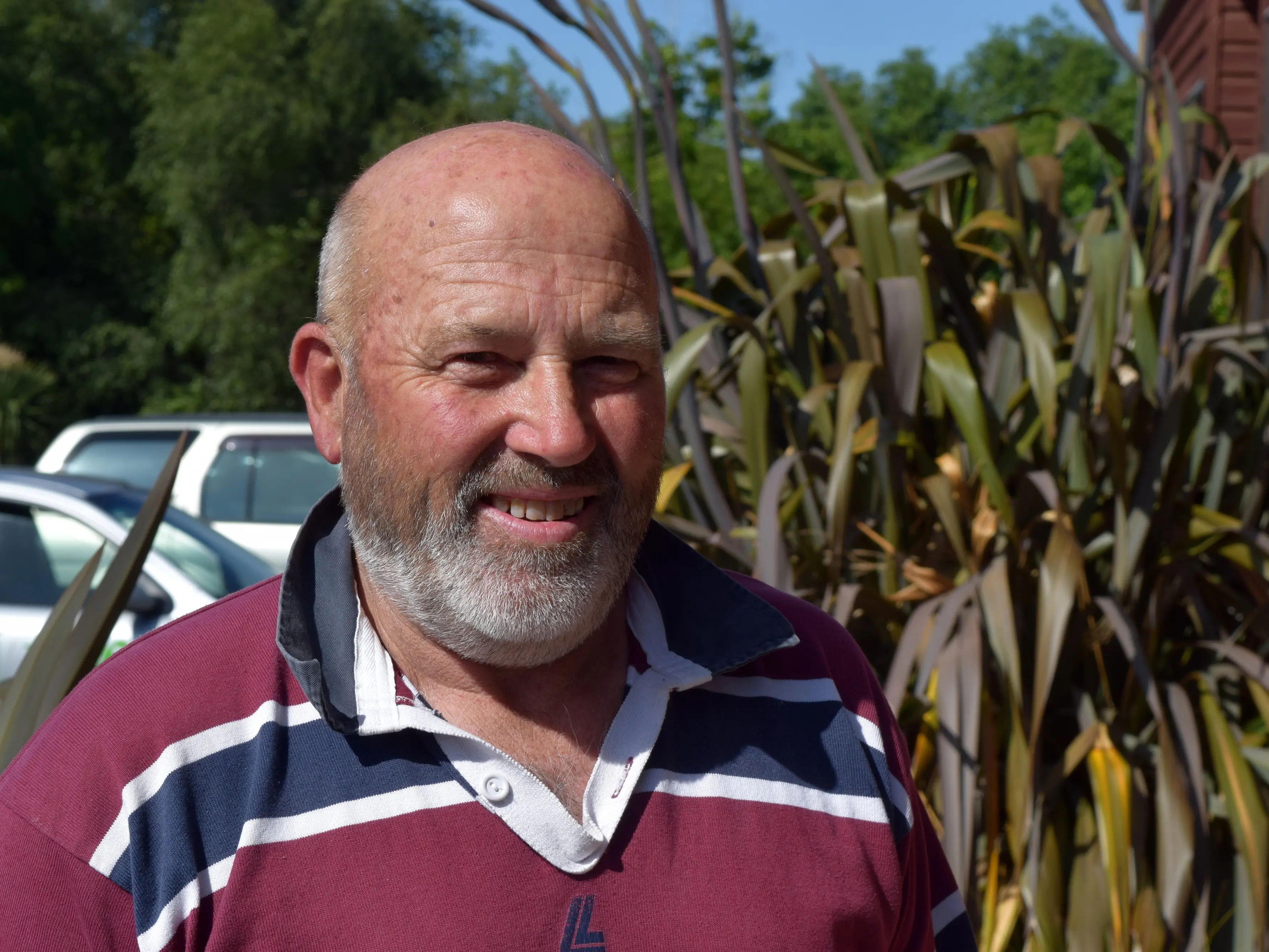
"No. If you’ve been farming for long enough, like I have been, you adapt to those changes. I’m running less stock number now than I used to and I’m comfortable with what we are doing. If it looks like it is coming in, you start destocking but you don’t start doing it until it happens. You’ve got to adapt early."
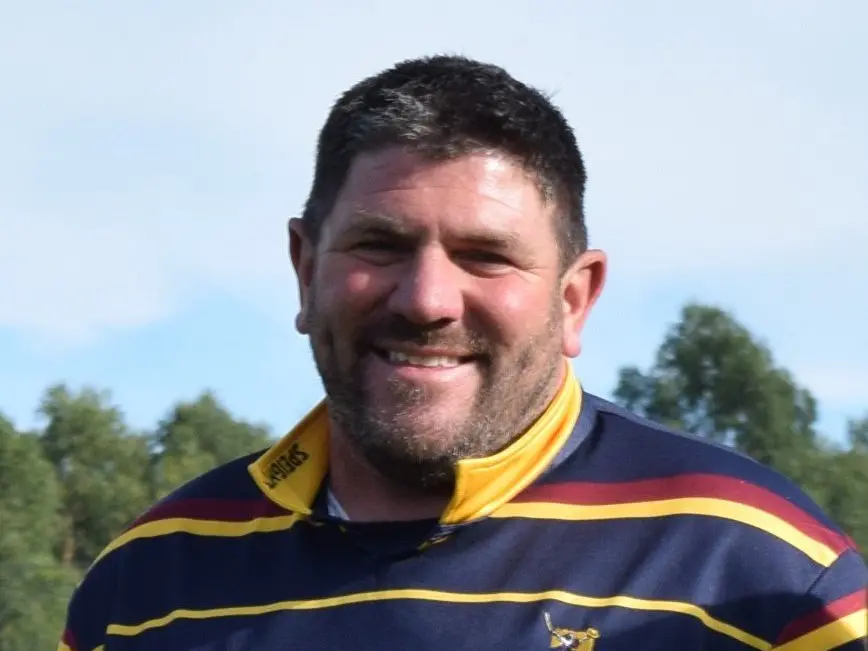
"We won’t change until it happens. We have the opportunity to cull cows earlier if it gets dry and we need a lower stocking rate and need to reduce the need for feed."
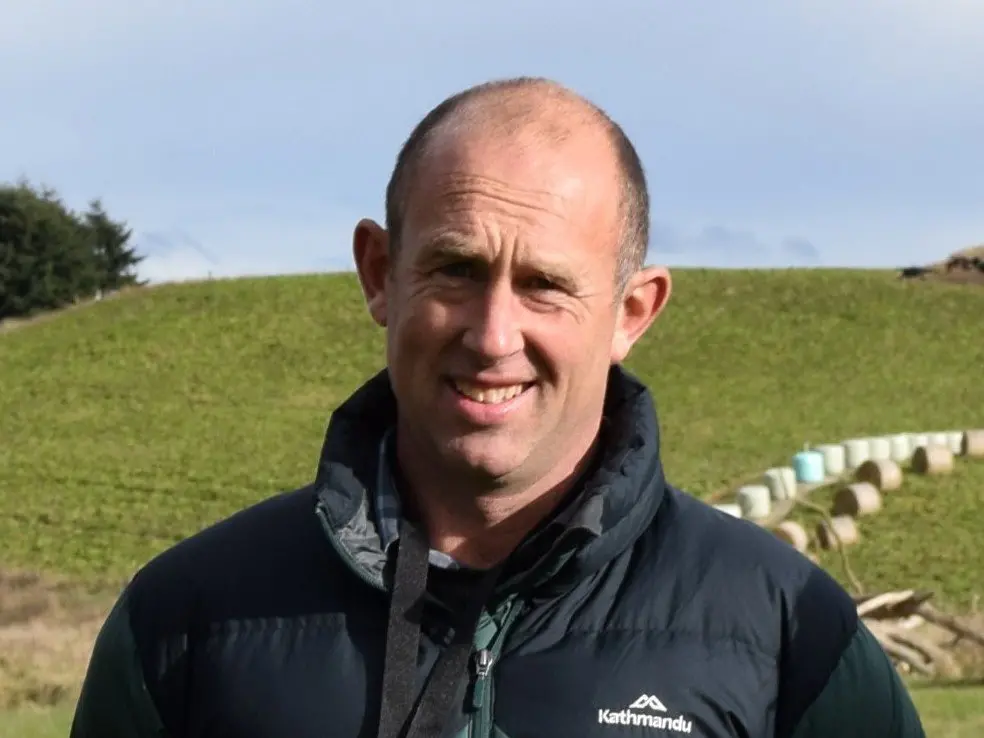
"Not really because we have irrigation. In the past, a forecast like that would be quite concerning but now with irrigation, not so much."
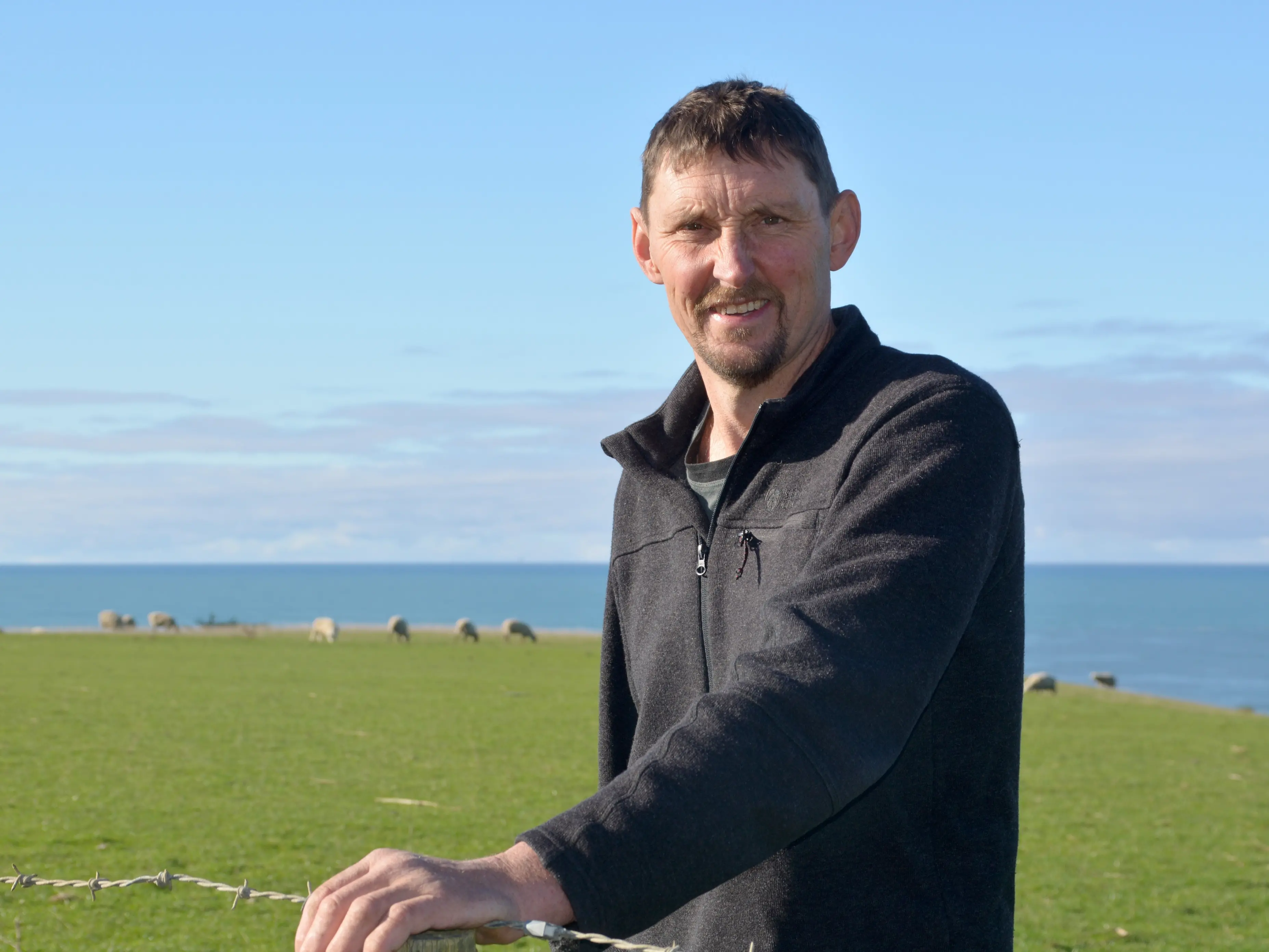
"Not at this stage but we’ll be monitoring it. In South Otago, we get more time to make decisions. If it is looking like it is going to dry out, it’ll dry out in North Otago first and based on that, we will adjust plans accordingly."