PHOTO
Chainsaw sales are at full throttle following a destructive storm.
An intense storm, featuring strong wind gusts, caused extensive damage in October, during which states of emergency were declared in Southland and the Clutha district.
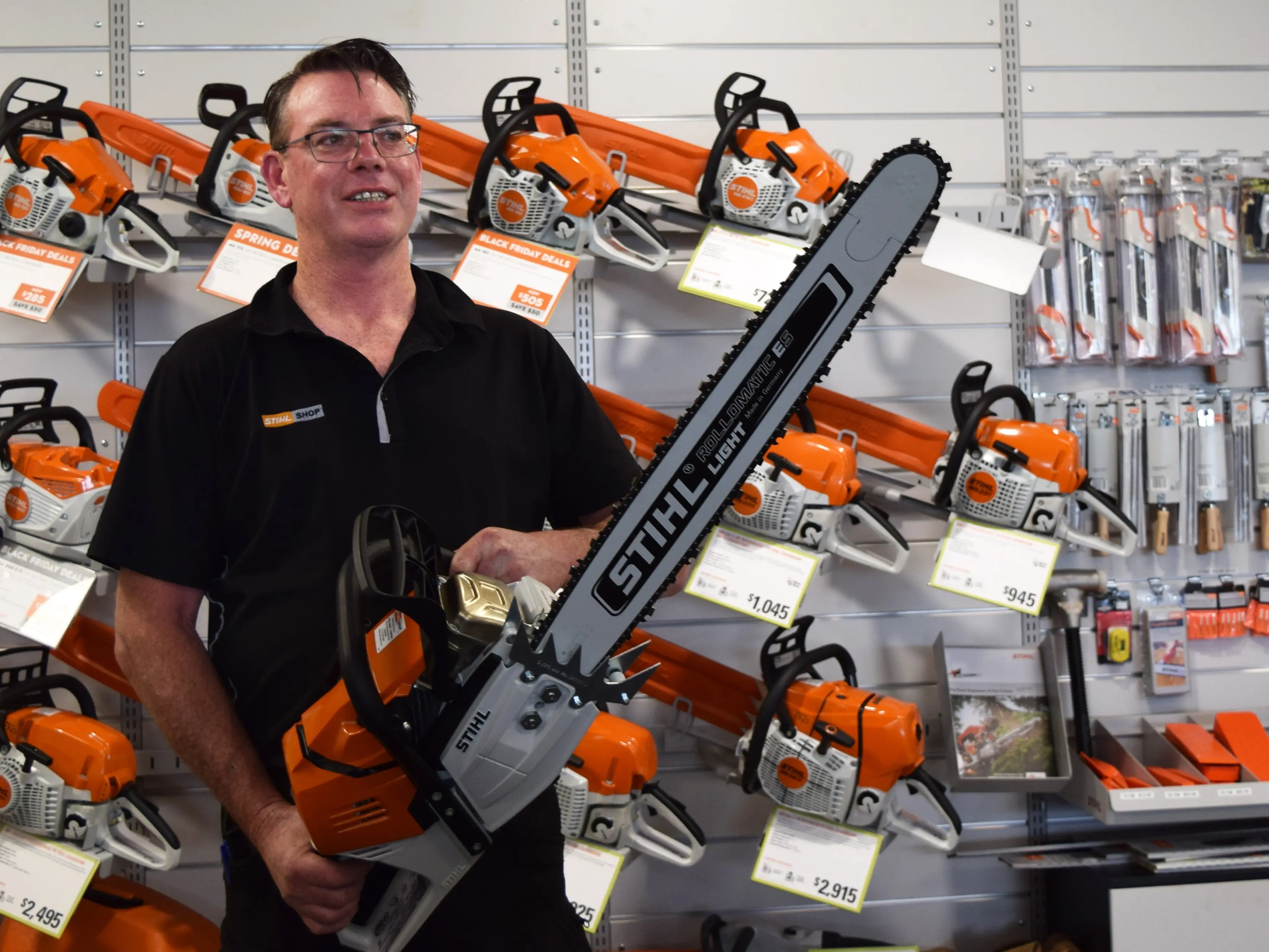
Stihl Shop Milton sales and service manager Nelson Taal said demand for chainsaws had been strong due to the storm toppling trees.
"We’ve sold out of chainsaws at least three times."
More farmers and contractors were seeking chainsaws than forestry workers, he said.
Stihl Shop Invercargill owner and operator Gill Muirhead’s family had run the business for 40 years and the storm had spurred the biggest surge in chainsaw sales during their tenure.
An "avalanche" of demand for chainsaws produced a sale every 90 seconds on the day following the storm, he said.
The demand remained "full on" for about 10 days and had been steady ever since.
Clients were a mix of contractors, farmers and lifestyle block owners.

Big chainsaws were in demand, he said.
"We have had people buying saws they would have never looked at before."
Petrol chainsaws were most in demand, rather than electric, due to the widespread power outages caused by the storm, he said.
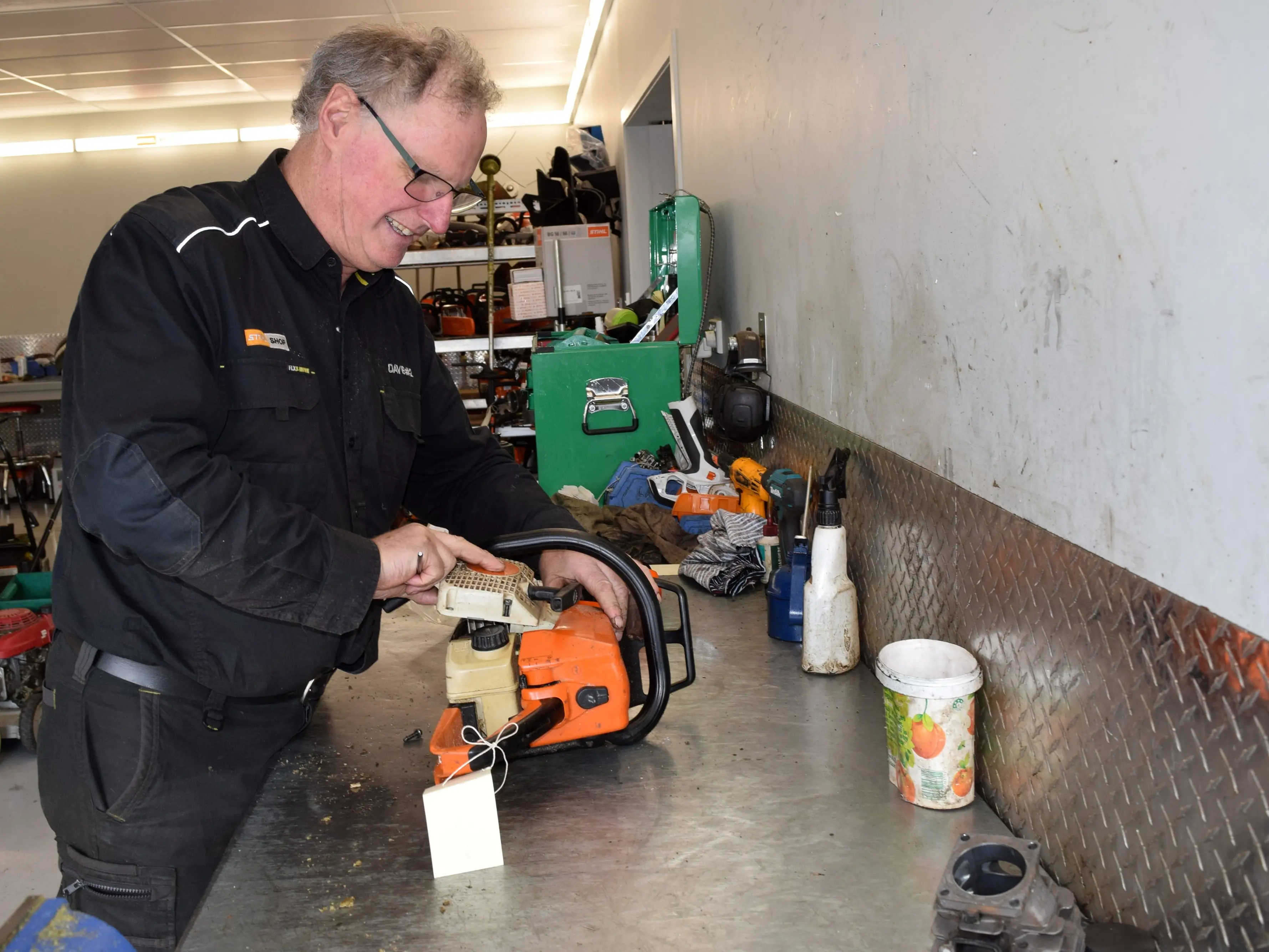
Demand for chainsaw servicing, such as chain sharpening, had also spiked.
A technician in the workshop had a backlog of about 40 chainsaws to service.
He expected sales for any chainsaws and related products to remain strong for months.
Stihl Shop Dunedin retail parts manager Shane MacGregor said the shop had been busy since the storm.
"It was just mad."
In the Dunedin shop, Brian Arvidson, of Lawrence, was inspecting chainsaws to buy.
The aftermath of the storm was "apocalyptic" in South Otago, Mr Arvidson said.
"There was no power, no water and a huge amount of big trees down."
He had been asking farmers with fallen trees if he could remove them free of charge to use as firewood for personal use.
A farmer had offered some fallen macrocarpa trees, so Mr Arvidson needed a chainsaw to do the work.
Sheep and beef farmer Garry McCorkindale, of Waitahuna, said three tall, more than 50-year-old Eucalyptus nitens trees were toppled on the farm by the wind event.
Most of the storm damage occurred in a destructive 15-second period, he said.
"It was one massive gust which filled the air with debris."
The gust also blew some of his poplar and willow trees to bits, he said.
Of the trees on his farm, Pinus radiata and Eucalyptus nitens were the most vulnerable to strong wind.
Thankfully, he had most of those species harvested about three years ago.
"If we hadn’t done that we would have had a real mess to clean up."

He planned to clear the fallen eucalyptus trees himself as he had most of the machinery required, including large chainsaws, a tractor and a grapple.
As the trees had not blocked any access on the farm, they had time to come up with a plan to clear the wood.
Mike Hurring Logging & Contracting health and safety manager Josh Hurring, of Balclutha, said he had concerns for the people rushing to clear fallen trees as quickly as possible.
"Some people are racing to hook into it, but it can be a dangerous beast if you don’t know what you are doing."
Many of the fallen trees, some weighing up to 2 tonnes, could have had a bow when standing and then straightened on falling.
"There is a lot of pressure and energy stored in that if you are going to cut it with a saw."
A digger could be used to hold the tree or drag it to a safer position.
Four crews from his workplace were operating a range of machines, including chainsaws, to remove fallen trees in South Otago and West Otago.
"We have a big range of jobs from a couple of trees down in a paddock to whole blocks fallen over with powerlines and steep gullies and all sorts of things."
The chainsaw operators were qualified to use the tools, he said.
Chainsaw use in forestry crews had dropped significantly in the past decade as the work was completed with other, safer forms of machinery with more robust guard systems.
"The chainsaw has become a dying art in forestry."
The crews were given priority to clear any trees blocking accessways that could be used for logging.
It was "to get value out of it rather than it just melting into the ground".
A fallen tree with a rootball attached had a longer window to recover for logs than one without.
Staggering the recovery of logs would avoid a bottleneck to export them at ports.
"There is no point rushing."
He expected the cleanup work to be ongoing a year after the storm.
"Some will require a full forestry crew to attack them, rather than a man on a digger and a man on a saw."
Before clearing trees, people should seek professional advice, such as from a contractor or a qualified trainer.
"We have made it through the main storm without any fatalities, so it would be good to keep it that way."