PHOTO
More fencers are needed to nail a staff shortage, a Central Otago contractor says.
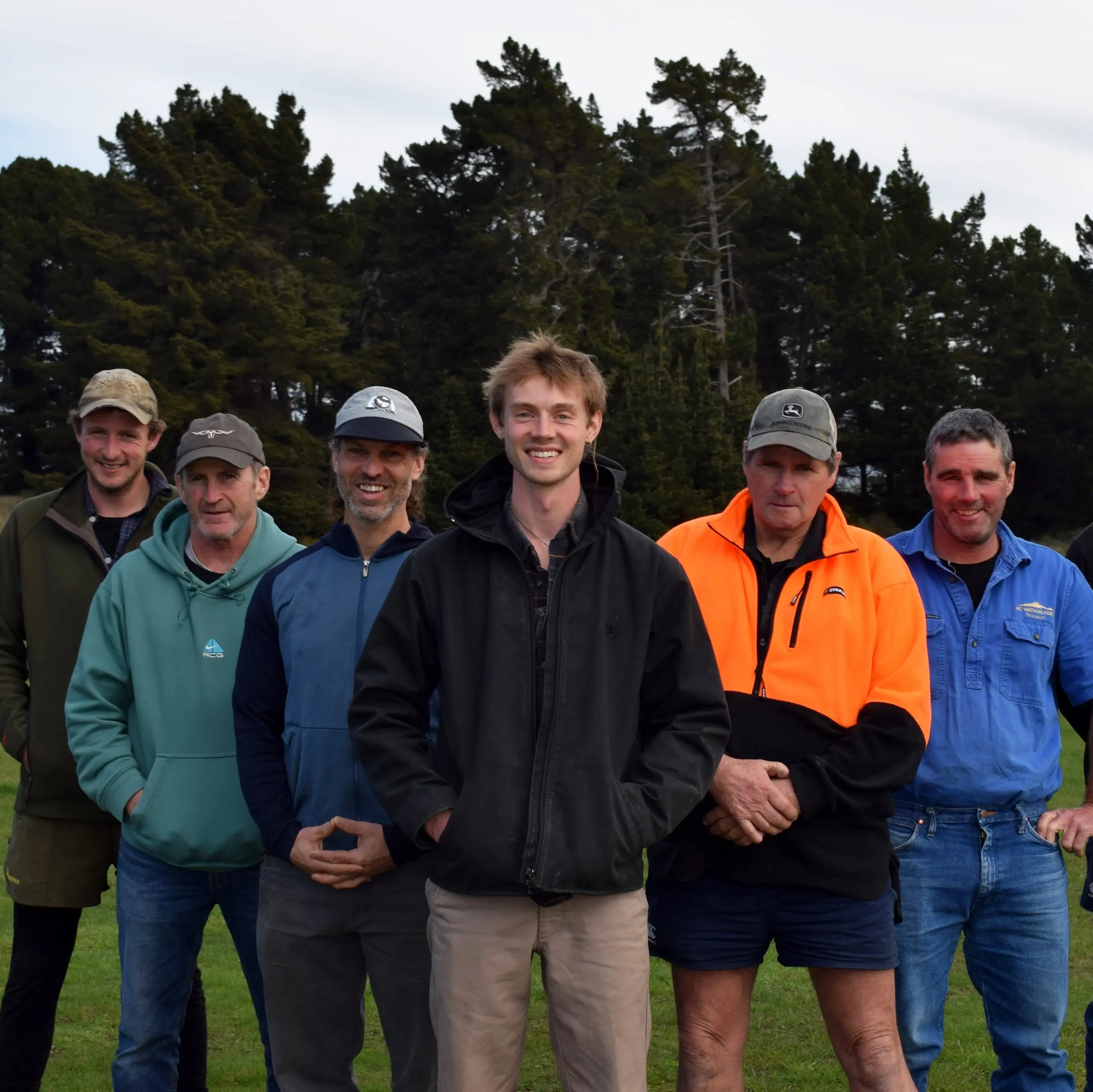
Fencers united to share tips and tricks at a best practice day in North Otago.
Nearly 50 people had practical, hands-on training at a Fencing Contractors Association event on a farm in Airedale last week.
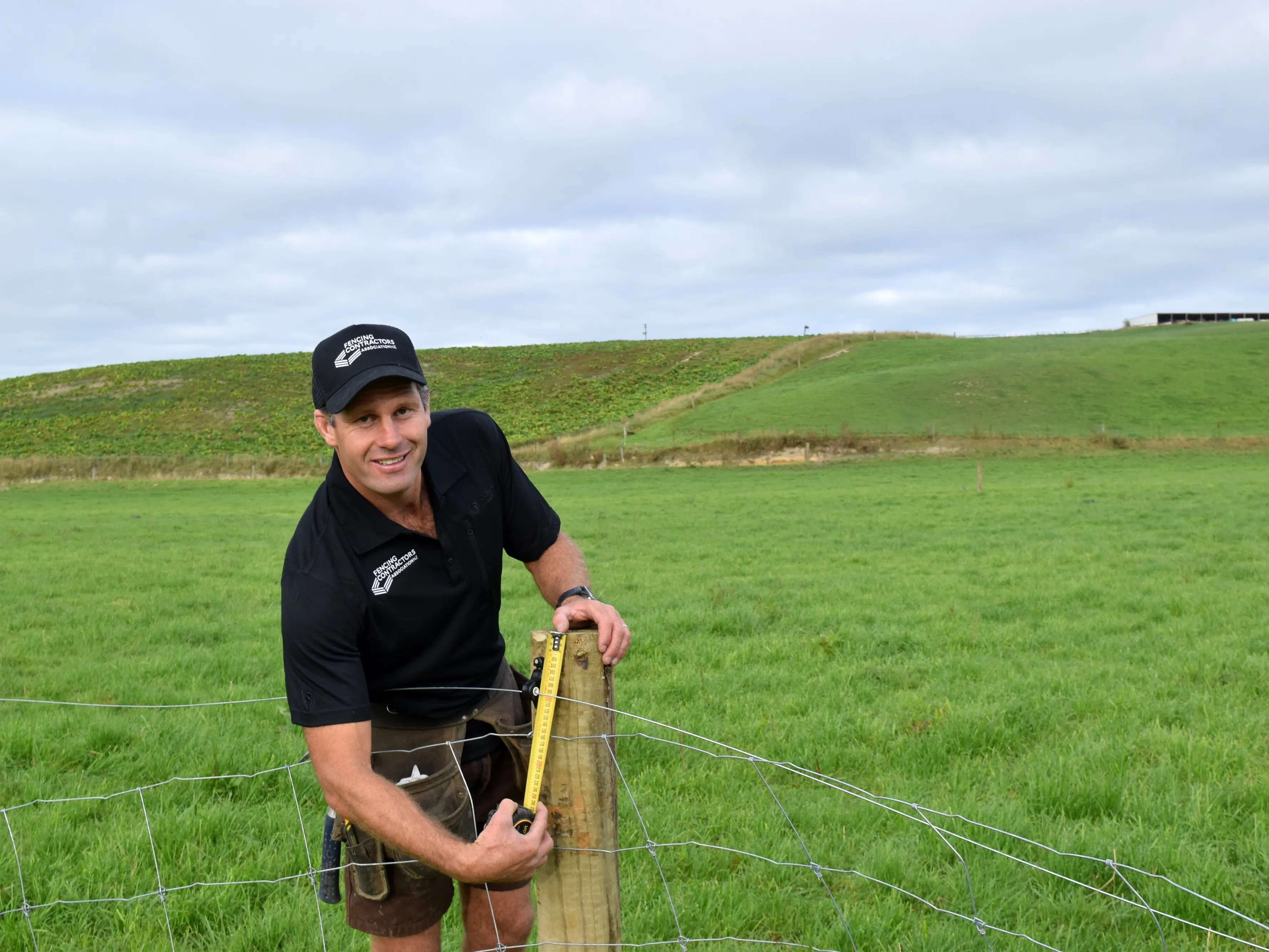
Fencing Contractors Association board member Ruben Connelly, of Cromwell, said most fencing contractors were overwhelmed with work, for reasons including a spike in demand due to severe weather events destroying fences.
"The demand for fencing is bigger than it has ever been."
The biggest challenge for the fencing industry was a lack of staff to do the work.
An objective of the association was to promote fencing as a career choice to get more people working in the industry.
The best practice day was a way to show young people there was a career path in the fencing industry.
"There are real career opportunities, out of school."
Being a fencing contractor was a great way of life, he said.
"You can go some awesome places, work with your mates and do some physical work all day."
Fencing was a great career choice for anyone who would rather be outdoors and active, rather than sitting indoors on a computer, he said.
If a fencer was fit and healthy, their body could handle the hard work.
"You’ll be able to go for a long time."
Rising confidence in the primary sector was resulting in more farmers willing to use fencing contractors, he said.
Another aim of the association was to encourage farmers to use a skilled fencing contractor, rather than doing the work themselves.
"Farmers can save in the long run by getting us to do it."
Association contractors had the skills and experience to be efficient when installing a quality fence to a certain standard, he said.
Land use change, such as dairy conversions required existing fences to be removed and new fences to be installed.
The association was aware of the rise in more farmers using virtual fencing in the dairy and beef industries.
"As an industry, it is something we need to be conscious of and move with the times and not put our heads in the sand."
Although more farmers were using virtual fencing, they still wanted physical boundary fences, as they gained trust the virtual technology would work all the time.
The training at the best practice day included different approaches to installing electric fences containing a spring system, so a pivot irrigator could travel across it.
Other interactive demonstrations showcased techniques including stay assembly systems, wire straining and tie off methods and what worked best in a range of ground conditions.
Several industry partners were displaying the latest fencing tools and products, innovations which made fencers’ lives easier and increased efficiencies, he said.
Some fencing components might cost more but could save money in the long run.
"Every minute saved is a dollar saved."