PHOTO
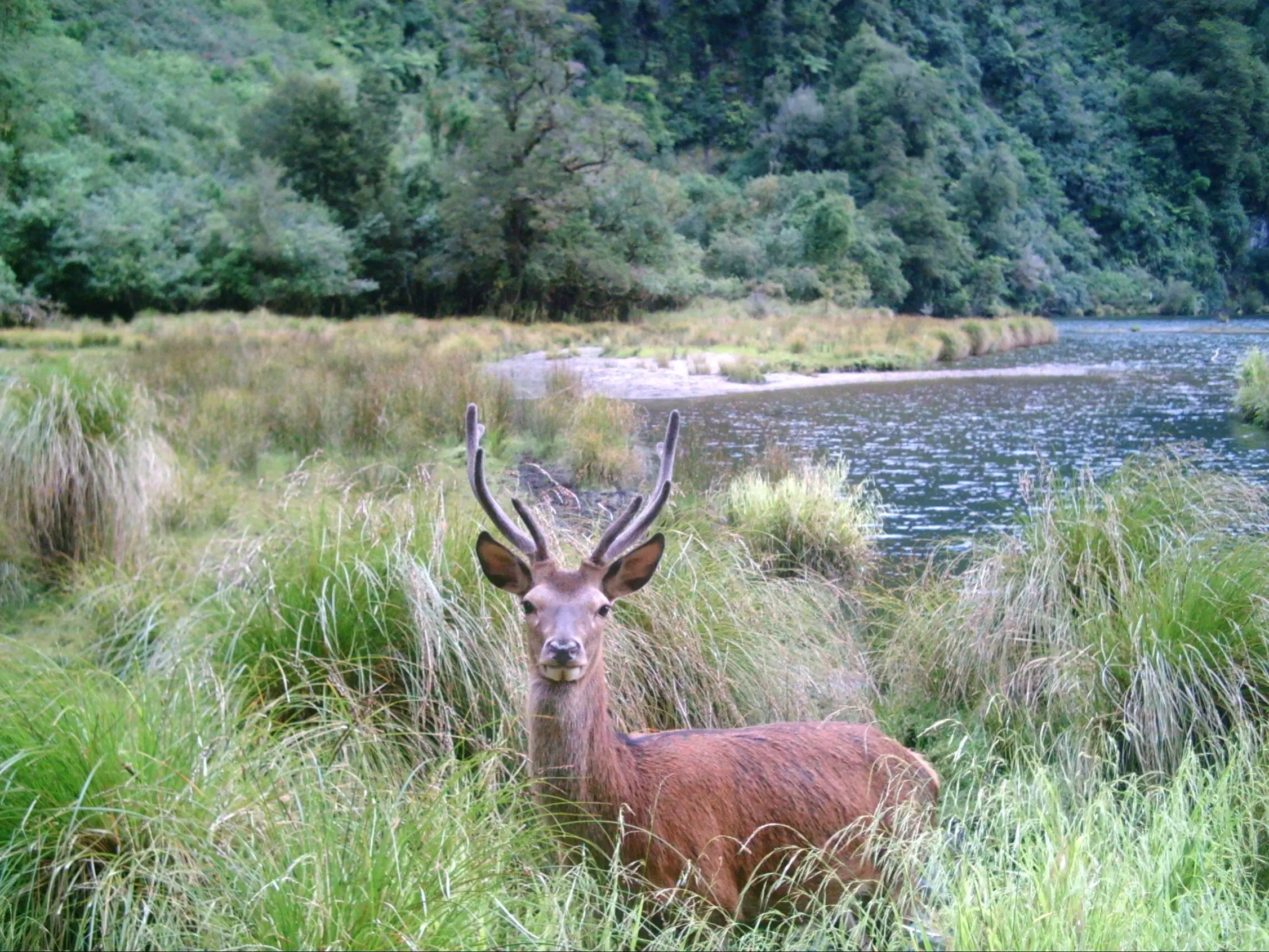
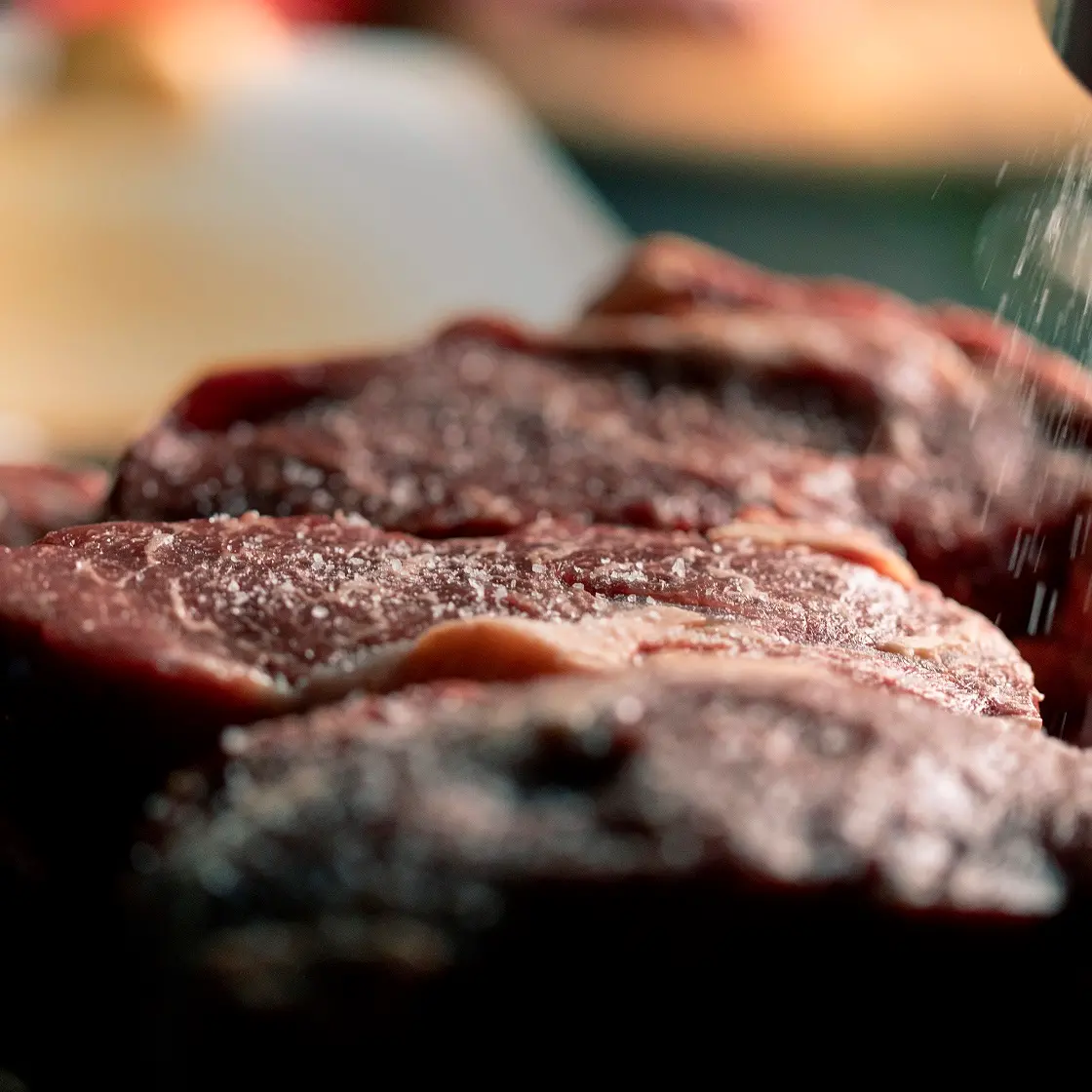
A rise in the sale of wild venison is watering down the perception of farm-raised venison, a South Canterbury deer farmer says.
Dunedin wild deer processors say demand for wild venison is being driven by a shortage of farmed venison.
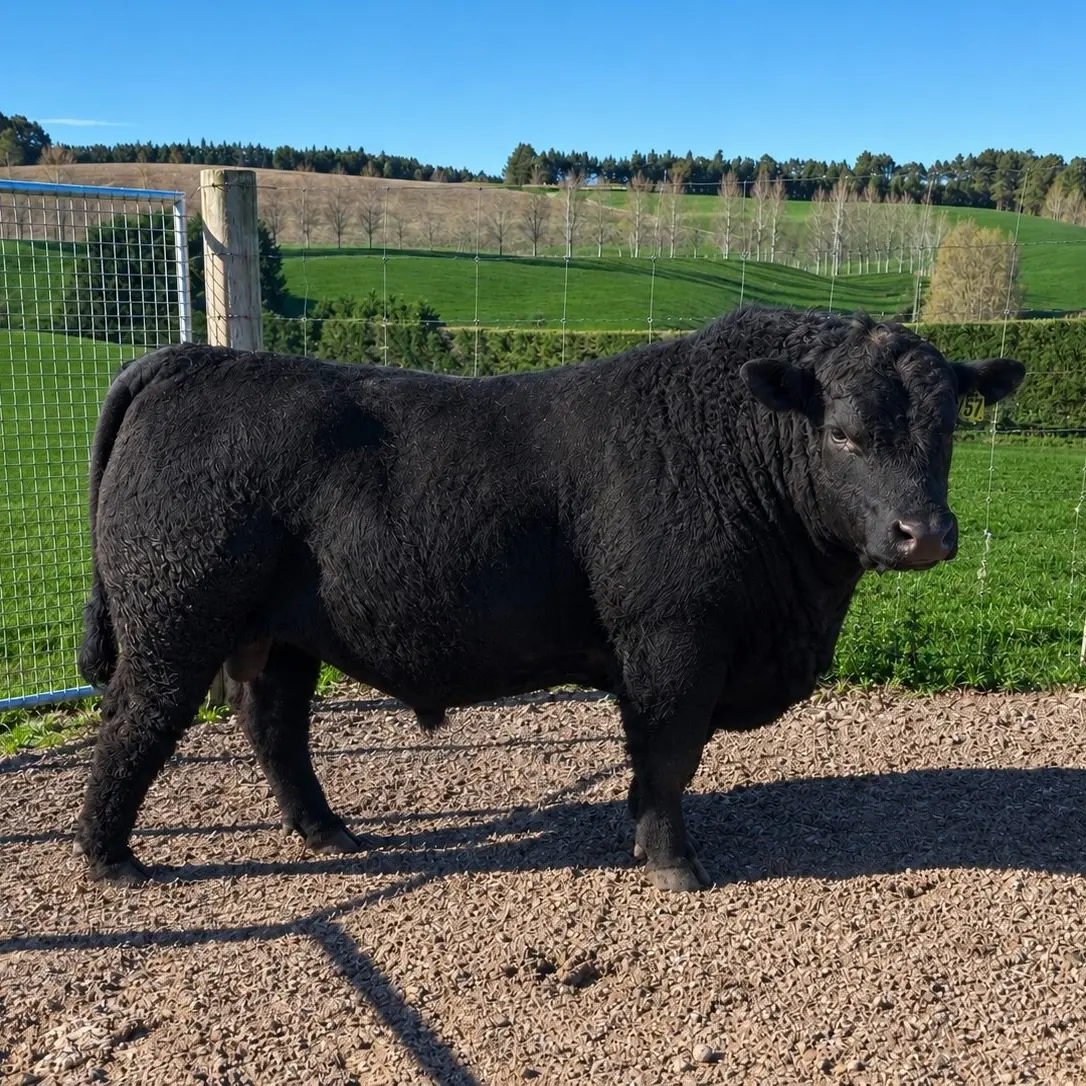
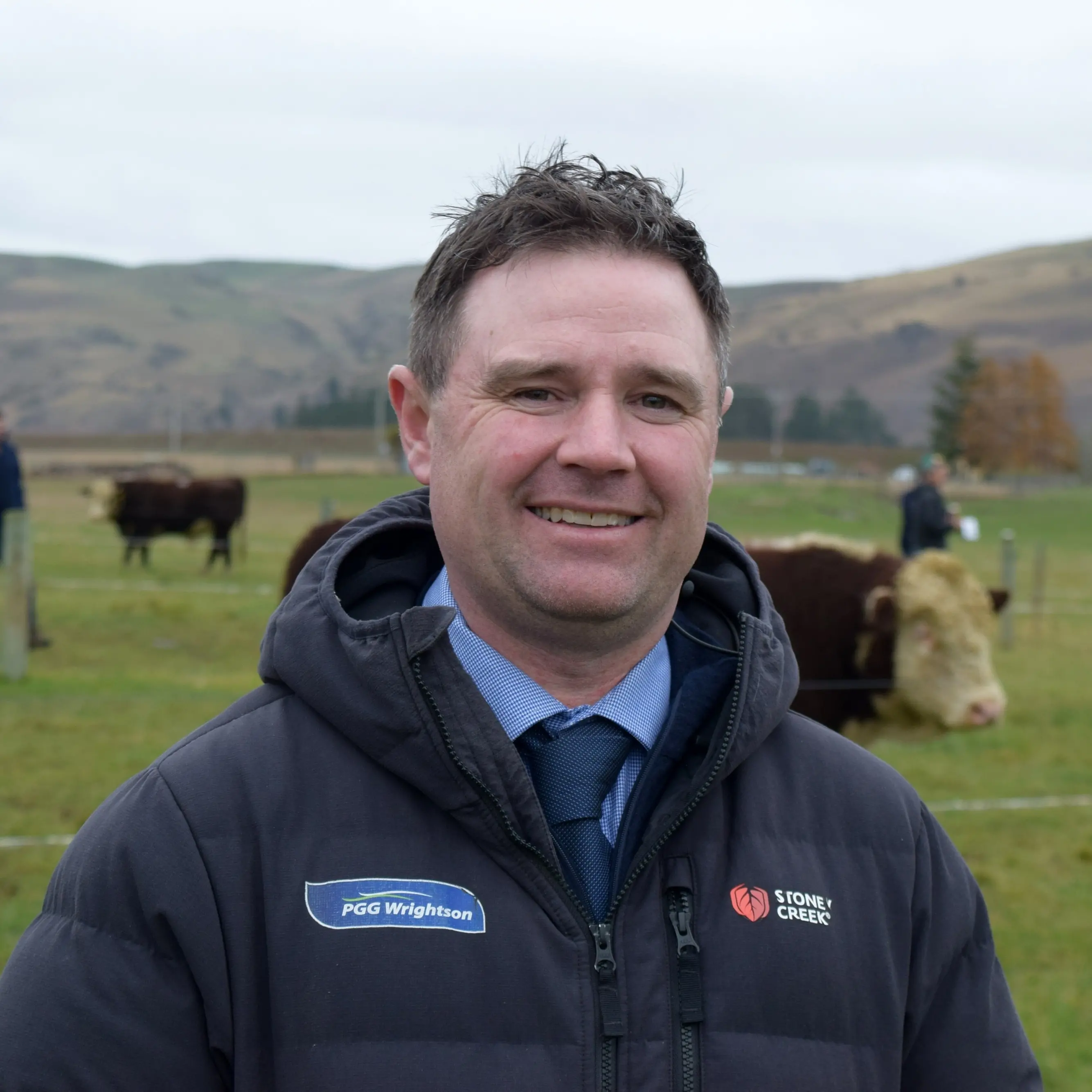
Peel Forest Estate managing director Mark Tapley runs the largest red deer stud in the world, north of Geraldine.
A concern was the wild deer population booming and some farmers trapping scores of them to send for slaughter.
"They are putting an EID [electronic identification] in their ear and sending it to the works, saying it is farm-raised venison."
The farmers doing this were damaging the deer industry, he said.
"They don’t care about the industry, they are just going to make a quick buck and sell some wild deer and call them farm-raised."
The recent opening of wild venison abattoirs, such as Southern Wild Game in Dunedin, was problematic, he said.
Farm-raised venison was a better eating experience than wild venison, he believed.
Wild venison was "watering down the quality and the perception of New Zealand venison".
Demand for New Zealand-farmed wapiti venison, also known as elk, was strong in the United States because Americans knew it to be a good eating experience.
However, many Americans believed the eating experience of farmed red deer venison was the same as wild venison.
American clients needed further education on the top eating experience farm-raised red deer offers, he said.
Peel Forest held a stag sale focusing on venison genetics last month.
All of the 51 stags on offer sold for an average price of slightly more than $10,000.
"It was exceptional."
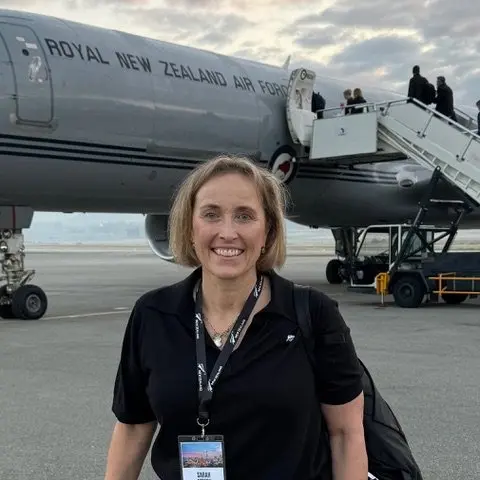
Duncan New Zealand general manager and Deer Industry New Zealand (DINZ) director Rob Kidd, of Dunedin, said DINZ would look into the claim of farmers trapping wild deer to sell as farm-raised.

"We need to investigate further."
The DINZ chairman and chief executive were both on leave and unavailable to comment further, he said.
At the South Island processing facility of Duncan New Zealand in Mosgiel, wild shot deer were identified clearly, as per export requirements to many of its markets, he said.
Differentiation of the two types of venison was important, as it aids the buyer in a consumer-driven market.
The processing of farmed-deer had declined significantly since the pandemic and less venison was being exported.
"Which is a lost opportunity for New Zealand as markets all around the globe have substantial and sustained demand for New Zealand venison products."
Wild shot venison products benefited the farmed industry by providing an additional item to offer customers, who could not source enough farmed venison.
The processing of wild venison provides work for processing plants at times when fewer farmed deer were being killed, he said.
Wild shot deer could fill critical supply gaps for ingredient items, such as jerky and trim, when farmed venison was unavailable.
"The ability to use these shot deer in certain areas is an important tool to keep venison on the mind of buyers when farmed deer products are all sold out."
Southern Wild Game executive director Jim Goodall, of Central Otago, began processing wild deer in Dunedin about three months ago.
Everything was going well, he said.
All of the deer being processed for sale was being labelled and marketed as harvested in the wild, he said.
"So it doesn’t compete with farmed deer at all."
The consumer knows wild venison presents a different eating experience to farmed venison, he said.
A shortage of farmed venison was driving demand for wild venison, he said.
"Consumer demand for venison is very, very positive."