


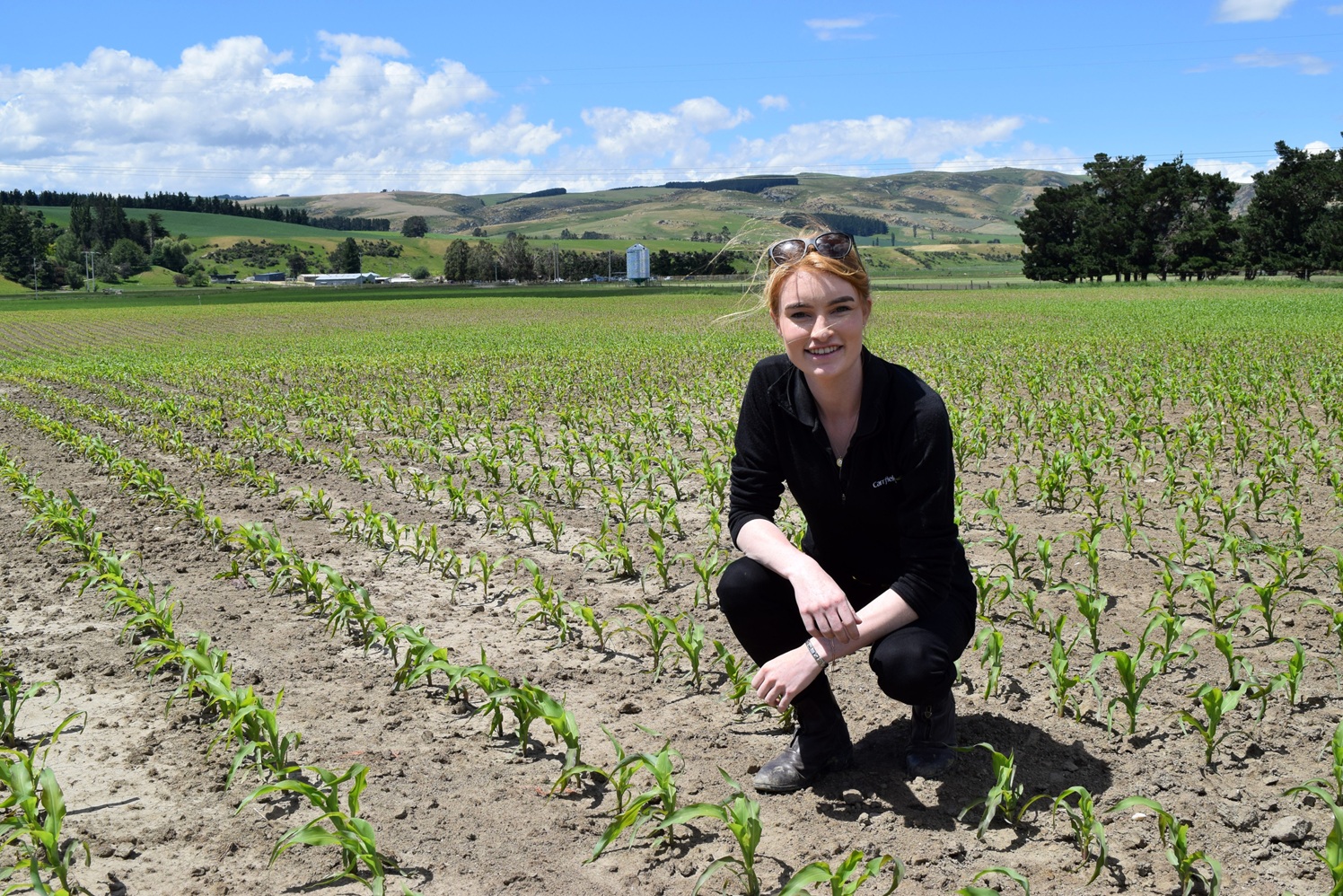
Maize has the potential to change a farm system but the timing of harvest is crucial to the crop being palatable to cattle, a Central Otago farmer says.
Limehills co-owner Gray Pannett said he decided to grow maize after seeing how well a mob of cattle in the North Island were performing on it.
About 120 tonnes of maize silage was produced from an irrigated 6ha paddock on his 3800ha property in Millers Flat.
"Maize could change people’s farming systems."
He once had an "epic fail" growing maize on Limehills, Mr Pannett said.
The crop was harvested too late and the dry matter was too high, about 50%.
Consequently, his rising 1-year-old cattle refused to eat it.
"You have to be careful of your ratio."
Hill Springs co-owner Curtis Pannett, Gray’s nephew, said during winter he fed his rising 1-year-old cattle about 4kg of kale and about 3kg of maize silage a day, behind a wire.
He believed kale and rape were the best crops to feed rising 1-year-old cattle.
"Then we top it up with the high-octane maize."
He was growing about 5ha of maize this season and it was expected to yield 19 tonnes per hectare.
Maize seed was sown on October and the crop was harvested in late March.
The expected cost would be 19c per kg of dry matter.
He grew maize for the first time last season.
The maize was harvested when it was about 40% dry matter and the silage was palatable to his young cattle.
"They were keen to see it when the wagon turned up each morning."
A frustration of growing maize was having to watch it die and being told by his agronomist to hold off harvesting so dry matter ration could rise.
About 11ha of fodder beet was grown on Hill Springs to feed rising 2-year-old cattle.
Maize had replaced some fodder beet as a high-energy feed source for yearling cattle.
Before maize, fodder beet was topped up with "expensive" baleage for the young cattle, he said.
A positive of growing maize, compared to fodder beet, was it required fewer inputs.
A maize crop required a pre-emergence weed killer and a pre-drill fertiliser and then a farmer could "shut the gate on this crop two weeks after planting".
A helicopter would be used to apply two "hits" of nitrogen on the maize later in the season
Carrfields agronomist Katie Gunn, of Roxburgh, was looking after the maize crop on Hill Springs and it would be harvested when it reached about 33% dry matter.
The crop was being monitored for insects.
"Cutworm is probably going to be the biggest issue this year."
The maize seed variety was Corson PAC 081, which matured early and suited the short growing season in Central Otago, she said.
PGG Wrightson animal production technical expert Andrew Dowling, of Central Otago, said maize was a cereal and farmers wanted it for its starch content.
As it was a cereal, it was low in most minerals, he said.
Farmers should consider adding a "balancer" containing minerals such as calcium, salt, magnesium to their maize, he said.
Cattle would need to be given selenium supplement, especially if they were eating forage crops.
Even if a farmer applied fertiliser containing selenium, a forage crop, such as rape, kale or fodder beet, did not absorb it because it did not need it.
Other minerals farmers should also consider giving cattle were copper and possibly iodine.
Maize silage and kale were tested on Hill Springs last season.
Crude protein accounted for nearly 8% of the dry matter in maize, compared to 15% in kale.
Rising 1-year-old cattle require 15% of dry matter to be crude protein to grow.
Maize had a metabolisable energy per kilogram of dry matter of slightly more than 11, compared to kale of nearly 13.
"Both of these are very high, so they are both quality feeds."
A diet of maize and fodder beet could kill cattle. Both crops had a high levels of starch and sugar and the mix lacked fibre.
A cattle’s diet should contain between 20% and 30% fibre, he said.
Maize silage was not a great source of fibre so cattle should be given hay, straw or baleage.
"To keep the rumen working like a brewing vat and stay happy."
Growing cost per hectare
Seed $900
Pre-emerge spray $270
Pre-drill fertiliser $420
Nitrogen $330
Helicopter application $100
Total growing cost: $2020/ha
Harvest cost: $1600
Total costs: $3600/ha


