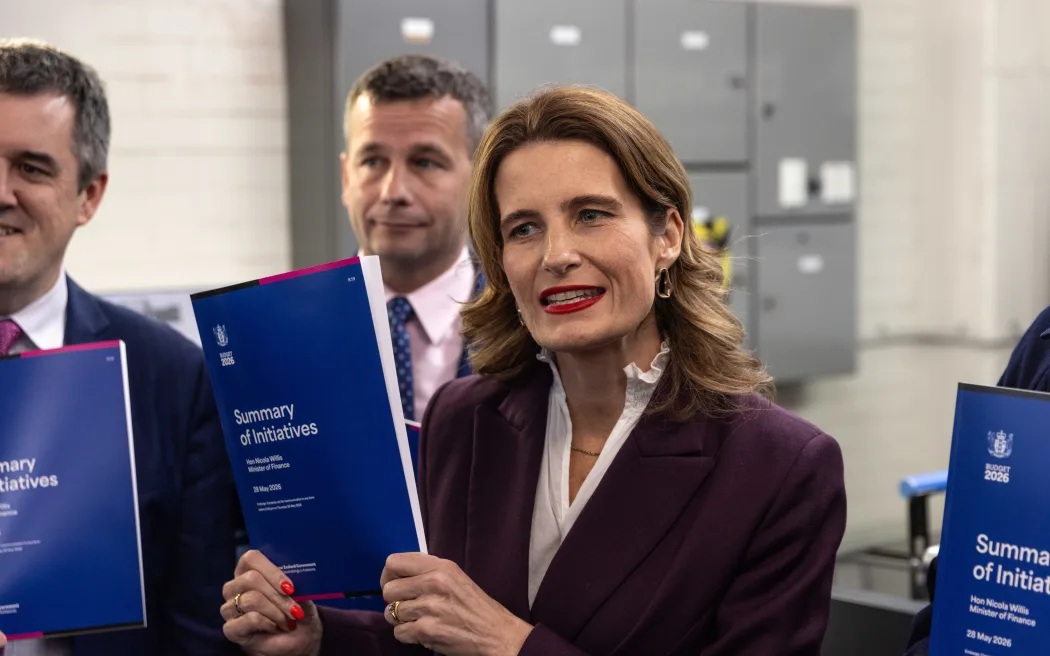
On the eve of the Budget, Nicola Willis told Morning Report's weekly political panel she hoped to show New Zealanders that they would be able to get ahead, life would be more affordable, and public services would improve.
For her third Budget, Willis has cut the operating allowance to $2.1 billion, while capital expenditure has been increased.
She, along with the three associate finance ministers, picked up the Budget from the printer on Tuesday. While declining to give it a nickname, Willis said it would be a responsible Budget that would secure New Zealand's future.
Deputy Prime Minister David Seymour said it would be a "tough love" Budget.
While the ink is dry, Willis told Morning Report she was still making finishing touches to her Budget Day speech.
"It's not just about the numbers and the Budget, the numbers are good and the numbers add up. It's about the story that we're telling New Zealanders that we really believe in, and making sure that connects with them."
Labour's deputy leader Carmel Sepuloni said New Zealanders would want to see some relief.
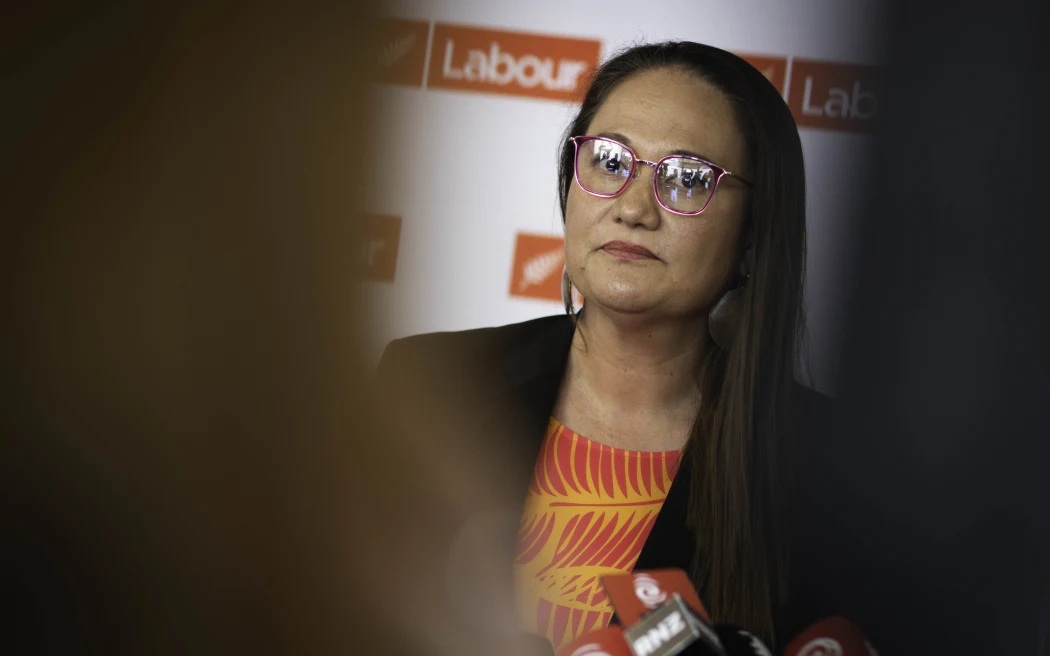
"They won't want to see anything similar to the tax breaks for landlords, the tax breaks for the tobacco industry. They will want to see a government who focuses on the many, not the few, and provides some relief for those that are doing it hardest."
Sepuloni said if Labour's finance spokesperson Barbara Edmonds had written the Budget, she would be talking about the need to respond to the challenges New Zealanders were facing around affordability, investing in the future, ensuring businesses could thrive, and that there were opportunities for young people so they did not feel a need to leave for Australia.
"A Budget that provides hope and responds to the aspirations of New Zealanders. I think that's what Barbara would say," Sepuloni said.
Willis said she agreed with those goals, but the question was over how they would be achieved.
"Our debt burden as a country has more than doubled since Covid times. The debt servicing bill on that is miles more than the discretionary operating allowance we've given ourselves. In fact, the interest bill this year is about four times as big as our operating allowance," she said.
"We can't let that debt keep building and building forever, because that results not only in more painful interest costs and inflation for New Zealanders, but ultimately history shows it leads to more taxes, and our government is determined to avoid opposing those."
The two also debated the government's shake-up to social housing, which would see social housing tenants pay more of a proportion of their income in rent, while those in private housing would get higher maximum weekly accommodation supplement rates.
Sepuloni said it was a "cynical" move, and was effectively pitting "one poor person against another", instead of taking from the wealthiest landlords.
"Especially when the backdrop to that is that massive amount of money that was put towards tax breaks for landlords. So that's not how you do it, you don't punish the poorest New Zealanders in the process of trying to set things straight."
Willis said the changes were not about savings, as they were fiscally neutral.
"What we're addressing is an underlying inequity whereby those in state homes have traditionally had their rents guaranteed at 25% of their income. Compare that to people in the private rental sector, they often pay 50% of their income in rent, even more," Willis said.
"And someone sitting in a private rental home looking at someone in a state home could rightly ask, right now, why is it that they get to pay so much lower rent than I do, even though in some cases they're earning less."