


It has raised its banner under the promise of economic growth - a promise that keeps failing to materialise. Each passing month inches closer to National’s ultimate deadline: next year’s general election.
Inflation lurks, ready to mutilate the party’s hopes. It sits squarely within the proclaimed focus on growth and the cost of living.
The latest news hardly heralds a triumph. This week’s annual figure for the year to the end of June rose to 2.7%, slightly below analysts’ predictions but still pushing towards the top of the Reserve Bank’s 1% to 3% range.
Food inflation, hitting every household each week, has surged. Coupled with soaring rates, electricity costs, and insurance premiums, it is hurting. The standard of living is slipping and sliding away as wages and incomes continue to lag.
Dairy farmers are the exception. Returns for butter and cheese, and consequently prices to consumers, have surged, though milk powder has not increased to the same degree.
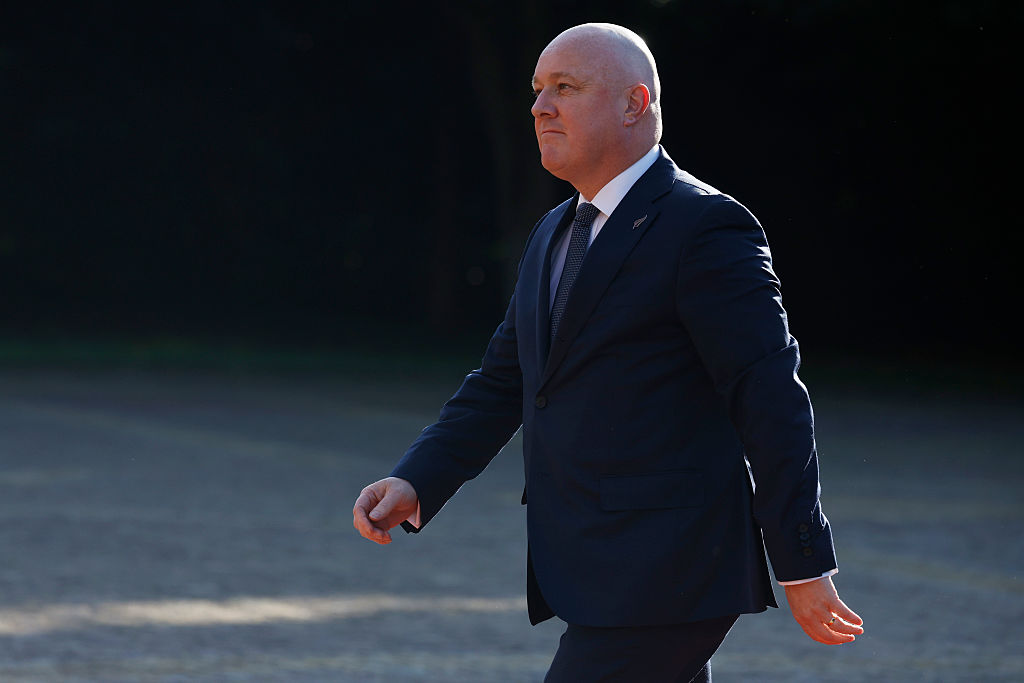
National claimed credit for lowering inflation, although much of that lay outside its control. It is, therefore, tarred when inflation climbs again. And the next annual figures to the end of September could well breach 3%.
Falling petrol prices might soon reverse. Another related wild card, of course, is United States President Donald Trump’s tariffs and damaging and destabilising economic manoeuvres.
Little wonder National is vigorously jaw-boning local authorities about rate rises and threatening rates caps.
So dire are the books that the deficit risks becoming a structural fixture. Debt continues to mount, despite zealous efforts to trim the public sector.
The government is right to target waste and resist the cash splash some advocate. The books are strained, and increased spending only fuels inflation.
Still, political hypocrisy is plain to see, most recently in the foolish Waikato Medical School decision, blatant in its parochial improvidence.
Even so, these latest inflation figures are unlikely to spook the Reserve Bank of New Zealand into holding or lifting the official cash rate. With anaemic demand and a soft labour market, future inflation looks subdued.
Most economists still expect a small OCR cut at the next review on August 20. Further changes hinge on the labour market, domestic growth, global trade and economic momentum.
Housing construction costs even dipped slightly in the June quarter after many years of increases. Rent rises have slowed and may soon reverse. By contrast, streaming services rose 9%.
Imported goods and services helped soften the inflation blow, up just 0.3% for the quarter and 1.2% over the year.
New Zealand’s inflation rate exceeds that of Australia and the European Union, matches the US, trails Britain, and sits below the OECD average of 4%.
National’s reputation as the better (or merely less flawed) financial manager is eroding. Despite present passivity and pandemic-era spending, Labour now sometimes polls stronger on economic credibility.
National’s nightmare is "stagflation": high inflation coupled with economic stagnation. The term harks back to the 1970s’ economic woes, triggered by oil price shocks.
Soon, two years will have passed since the government took office. It is banking on lower mortgage rates boosting spending, job creation, and consumer confidence, along with continued strength in the rural sector. The alternative? A one-term government.
Trying to make a difference
Businessman and philanthropist Roger Fewtrell’s endeavours are worthy of praise and thanks. His plans to develop affordable homes across Dunedin are coming to pass.
Mr Fewtrell told the Otago Daily Times this week that he had secured about 170 sites for the project. About 40 homes would be built in the next year, and two refurbished houses were already on the market. He contributes about $100,000 per house, a commitment likely to reach $25 million across the full master plan. His practical approach and generosity are exceptional.


