
PHOTO
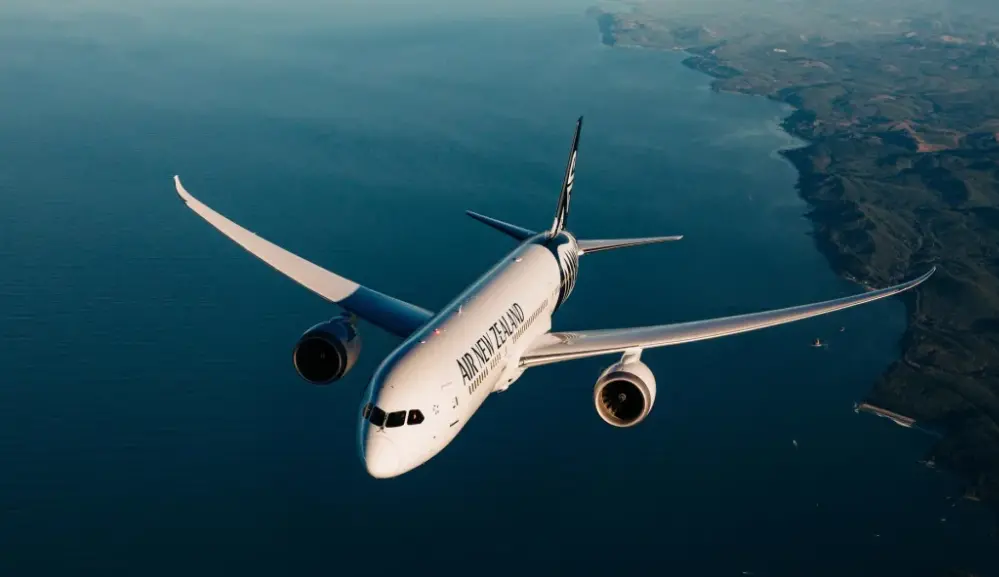
Air New Zealand says it is expecting a full-year pre-tax loss of between $340 and $390 million due to the soaring cost of jet fuel.
The airline expects fuel costs in the second half of its financial year to be $980m, compared to previous expectations of $740m.
It said that has driven a $240m headwind to the expected full-year result, including hedging.
The national carrier said jet fuel prices were around $US85 to $US90 per barrel prior to the Iran war, but had soared to between $US160 and $US230 over the past 10 weeks.
"The scale and speed of recent movements in jet fuel prices and refining margins have created a material external shock for the global aviation sector," Air New Zealand told the NZX in a statement today.
It said it had "moved quickly" to limit the impact of fuel costs.
"This includes implementing a number of targeted financial, commercial and operational actions, and accelerating the cost reduction work already under way."
The airline said it was looking at cost-cutting and reviewing capital expenditure plans.
"Air New Zealand has identified up to $100 million of annualised cost savings to date, which will flow through into (full-year) FY27 and beyond," it said.
"These savings are part of the strategy refresh initiated at the end of 2025, but have been accelerated in response to the higher fuel cost environment, and is ongoing."
Fleet availability was also improving "significantly" it said, with all existing Boeing 787s expected to return to service by late June and all Airbus planes by 2027.
Air New Zealand has struggled with fleet availability over the past few years caused by engine maintenance issues and delays, leading to losses.
"While the airline will continue to carry the costs of some leased aircraft and engines until the end of calendar 2027, improved aircraft availability will strengthen operational resilience, reduce associated carrying costs progressively and provide greater flexibility to deploy the airline's most fuel-efficient aircraft in the current higher fuel-cost environment."
This story was first published on rnz.co.nz |  |