
PHOTO
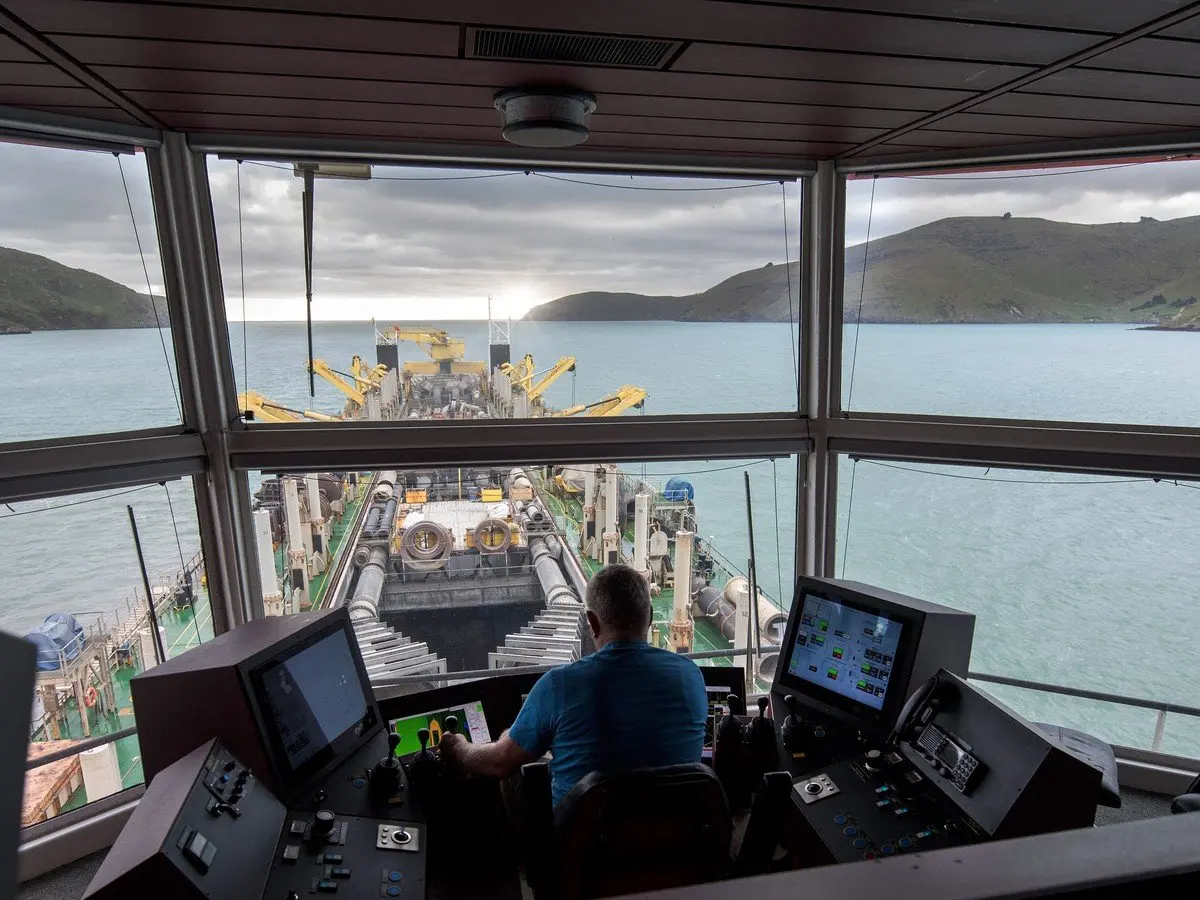
Emergency dredging is clearing Lyttelton port’s choked shipping channel from a build-up of marine mud brought in by big storms.
The Lyttelton Port Company began dredging late last month to clear seabed silts and clays in the harbour’s main navigation channel for ships.
Nearly one million cubic metres of sediment was swept into the channel since the port’s maintenance dredging programme last November, compared with a typical yearly amounts of 600,000-800,000cu m.
Chief customer and supply chain officer Simon Munt said the dredging campaign was progressing as planned and remained on track.
‘‘This is part of our annual maintenance dredging programme, which has been brought forward this year due to earlier-than-usual infill.’’
He said sediment removed during dredging was being disposed of at a consented offshore maintenance disposal ground, in line with the port company’s resource consent requirements.
Dredgings are usually deposited under consent at an offshore disposal ground about 2km east of Godley Head, or a site at Gollans Bay within the harbour.
A severe storm last March deposited more than 430,000cu m of sea bed material into the channel within days.
The subtropical low-pressure system brought strong winds, heavy seas and a big swell, particularly around Banks Peninsula and the east coast of South Island.
Large seas from January to April further restricted shipping movements and accelerated infill.
In some areas, the loss of depth put tidal constraints on ship movements.
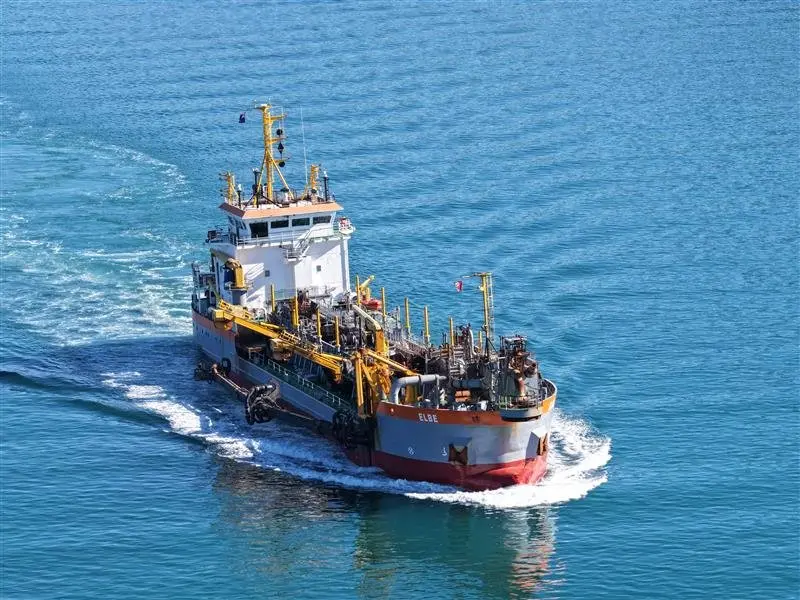
Dutch dredging vessel Elbe is expected to take three to four weeks to clear the debris.
Mr Munt said the work was necessary to maintain safe and reliable port operations.
“The scale and speed of the infill we have seen over the past few months is well outside what we would normally expect. Extreme weather events are clearly having a much greater impact on the harbour, and this interim dredging is required to remove high spots and restore safe channel depths for our customers.”
He said shipping safety and maintaining freight in and out of the South Island were top priorities.
The port was adapting to challenging weather conditions becoming more common, he said.
Water quality is continuously tracked by monitoring buoys at the offshore disposal ground during dredging and ecological monitoring is also carried out at harbour sites.
Dredging work closer to wharves is normally done by a trailer suction hopper dredge with an excavator on a barge.