
PHOTO
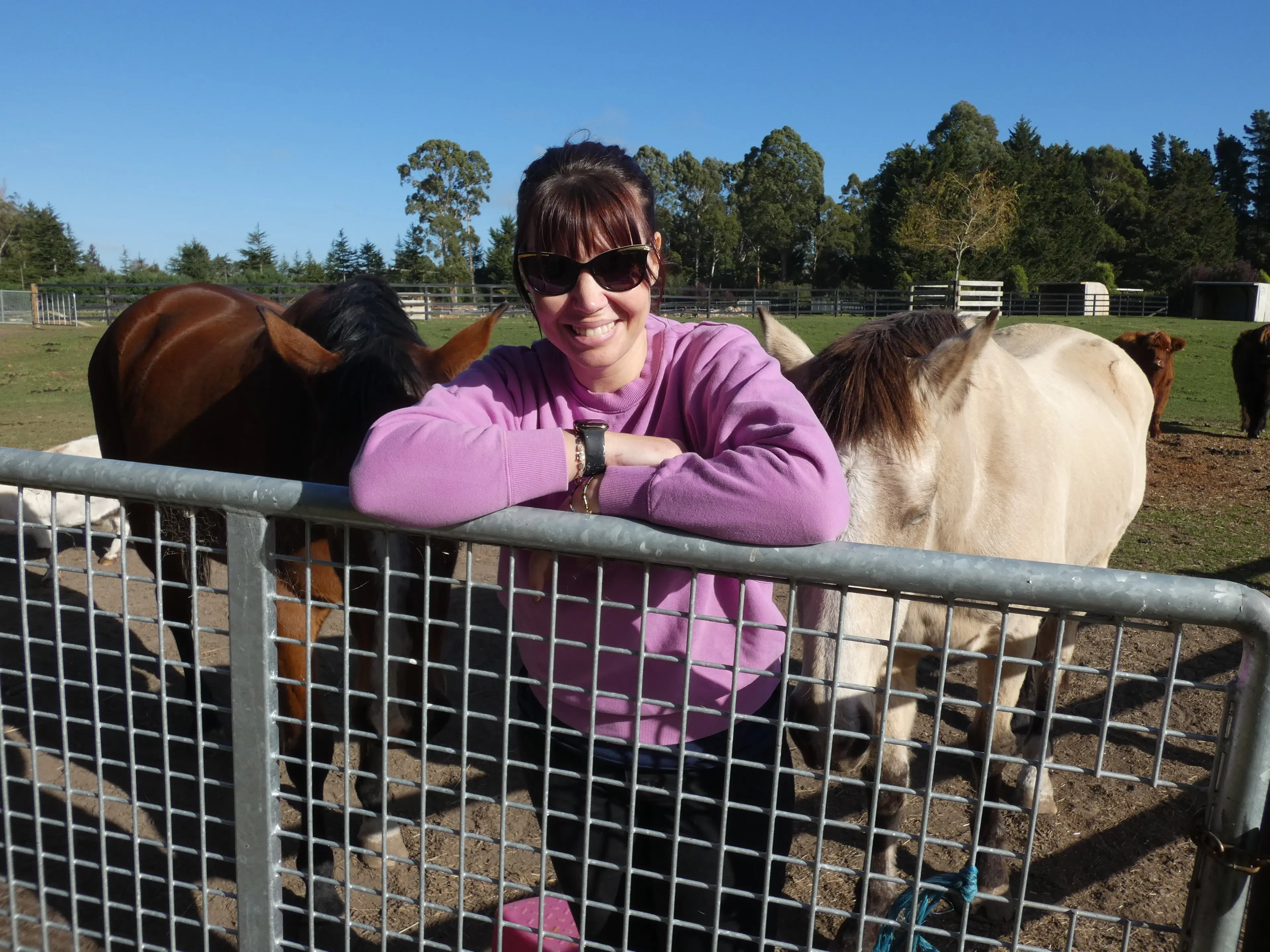
At the sound of the doorbell a formidably large pre-teen dog bounds into the hallway to deliver a frantic welcome.
Ethical entrepreneur Brianne West’s assurance Dora’s energy burst is only temporary proves prophetic.
Soon after the six-month-old bull mastiff conks out, sprawled in the mid-morning sun and oblivious to the world.
Dora has got a good thing going.
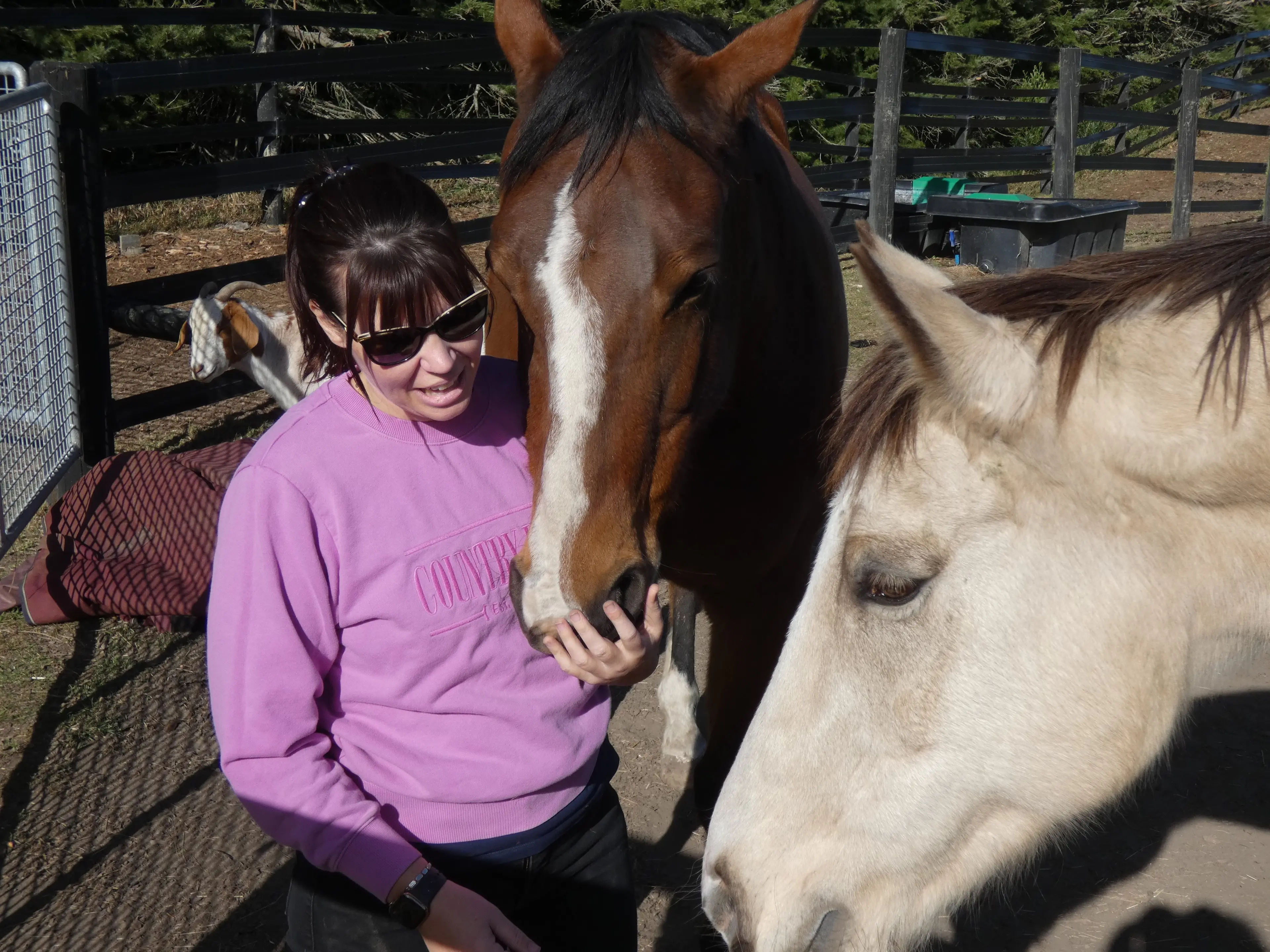
Along with 68 animals, big and small, the youngster lives with her owner on a Canterbury four-hectare lifestyle block transformed into a regeneration project.
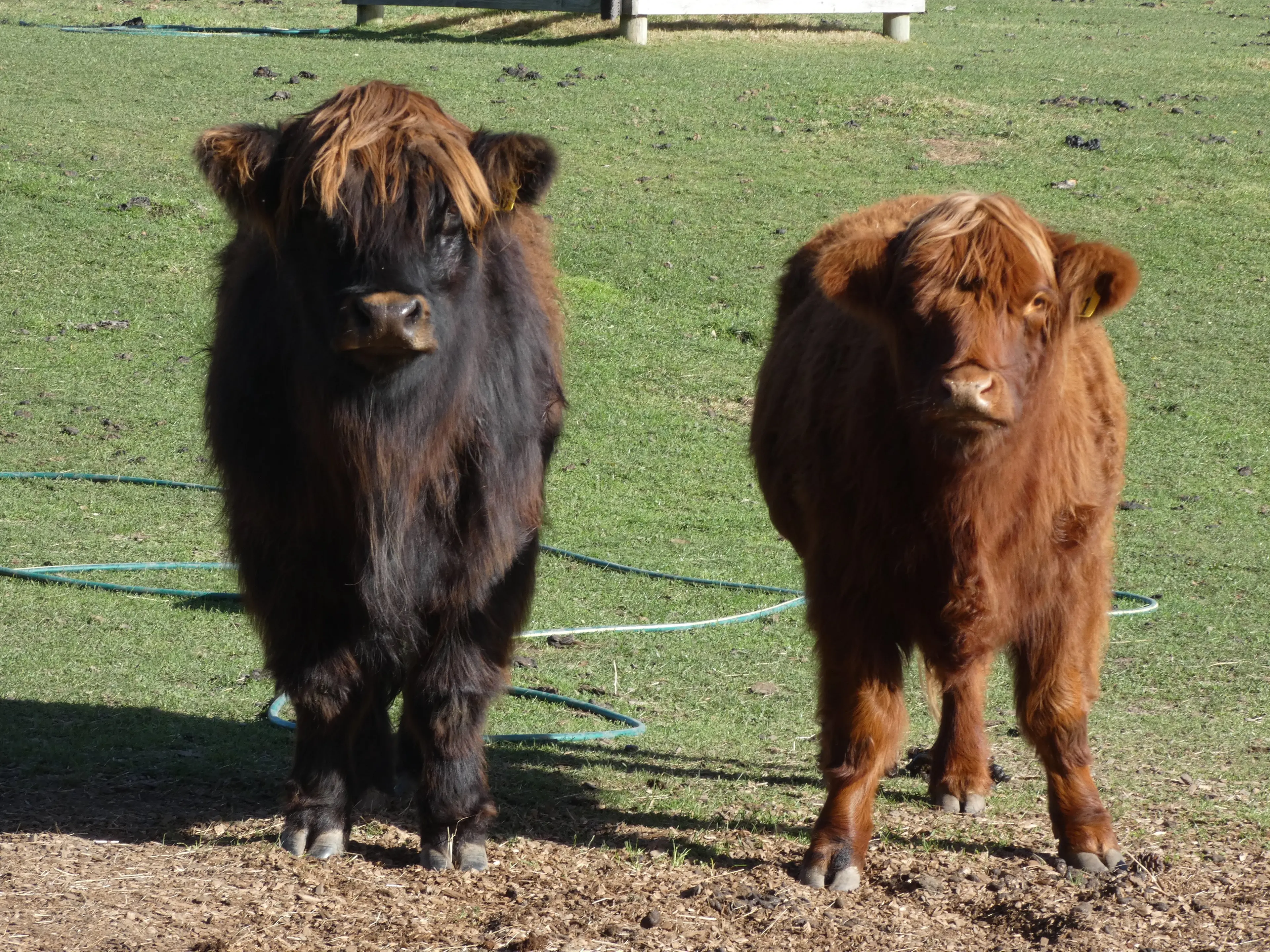
A coop full of chickens, two retired racehorses, two strong-minded goats and a pair of Highland cows get the silver service when it comes to their care.
But for strict rules snakes would be part of the menagerie.
A couple of largish bearded dragons are in brumation — a reptile version of hibernation.
Don’t ask what the food bill is for their locust diet.
Visitors often remark they want to come back as an animal here in their second life.
The small landholding was bought soon after Ms West sold 75% of Ethique in October, 2020 and before her final exit a few years later.
Confidentiality agreements prevent her from disclosing how much the plastic-free beauty bar business was sold for, but reports say about $100 million.
Buying the land was more than just a way to stave off post-business blues as she had always wanted one.
‘‘Nearly every single person — but not my parents who’ve always supported everything I’ve wanted to do — said I would hate it and it’s so much work, but I love it.’’
A bare block was out of the question as it needed to have privacy and established trees. A small stream winding through the property was a bonus and a large house to host family and friends non-negotiable.
‘‘The strange thing was that it had bullet holes in the walls and with no word of a lie, because it sounds fantastical, there were locks on the outside of every door upstairs. I decided not to worry about that.’’
The motive behind the discharged firearm remains a mystery.
On a whim she began a makeover a few weeks ago which has seen the entranceway painted orange and a lounge pink.
The impulsive interior decoration, she confesses, ties in with an ever-active ‘‘quite chaotic’’ mind.
Endlessly satisfying for her is trimming or planting in the garden, kicking a ball with young Dora, observing bird life by the stream, or hanging out with the horses.
A big lawn was carved up as they do little for the environment, with ‘‘sad grass, weed mats and death’’ replaced by small insect islands and a wildlife haven.
At the last count 11,500 trees and shrubs have gone in the ground, including griselinia, ake ake and kowhai as well as kanuka, despite their high fatality rate.
Bird song — even the bellbird at 5am outside the window — reminds her of the work’s value.
This care for the environment matches the ethos of the ethical entrepreneur — a term sitting somewhat uneasily with her.
‘‘Apparently if you ask me as a kid what I wanted to do I would always say something trite like save the world. I didn’t even know what that means as an 8-year-old, and it’s a bit world-peacey at a pageant isn’t it? But it sort of holds true because I want to protect our environment.’’
Now she wants to buy larger parcels of land for planting and more rescue animals.
As a scientist with a good grasp of the science underpinning hysterical headlines about water quality, ocean collapse and environmental deprivation, she knows it’s often far worse. The project makes her feel like she is making a small difference.
Ms West remained chief executive of Ethique until April 2023 before finally leaving in early 2024.
Any splurge was limited to buying a Tesla with a frighteningly quick early-version ludicrous mode. Her former dream car has since been replaced by another EV.
Against all investor advice, a lot of her share of the proceeds went into the bank. Money was spent on family and friends and a six-figure sum invested in developing her home into a wildlife haven.
‘‘It’s a funny thing selling a business, particularly when I started Ethique I was 24 in 2012 and it was my personality I suppose and very much me, so it was quite odd seeing it in the hands of other people. It probably took a good two years of grief to get over it.’’
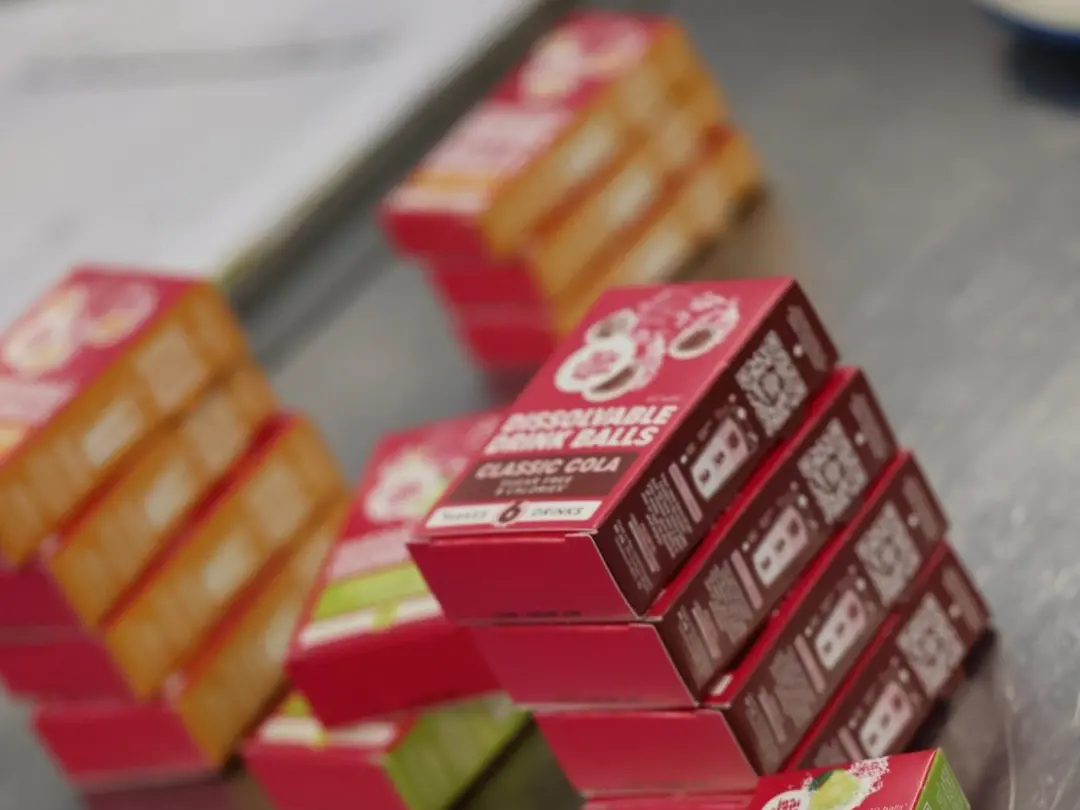
Early retirement was never an option and in February a new start-up launched plastic-free effervescent drink tablets.
The Incrediballs are under a company called Incredibrands with another four or five brands being developed in other consumer directions.
‘‘They will provide a sustainable and ethical option to something people already love so we have certainly one and hopefully two, if we can get the timing sorted, coming out at the end of the year.’’
Any negative impact would be minimised and offset by funding projects such as coral restoration and rewilding — the restoring of degraded ecosystems, she said.
From day one she wanted Ethique to contribute to charitable work and this will be continued in Incredibrands with 2% of sales going to worthy projects.
Critics first panned this as a liability, but she saw it as a big part of the brand, helping grow the business.
By the time Ethique was fully sold $2m had been donated to 105 organisations including Mission Blue, Wildlife Warriors and local schools.
Another inspiration for carrying on is being a living wage employer, promoting fair trade and doing more good than bad.
Incrediballs sold out in the first run to New Zealand and Australia within two months, but the Iranian war has road-blocked their supply in the interim.
Pear, orange, cola and grapefruit flavours are made in the United Kingdom with further flavours in the pipeline.
A soft launch has provided the Incrediballs team with a greater understanding of taste preferences with packaging to be tweaked and the ball size increased.
Initially mentoring business people, her energies have gone into a Business for Better education programme. Business advice and other resources are provided online and she wants to add more events this year.
In between, she is working her way to becoming a scuba diving instructor and finishing a Masters of science this year with the goal of studying for a PhD.
A book about ethical business based on Ethique is in the offing despite being timed when there is a backlash against capitalism.
‘‘I think it’s a misunderstanding of what capitalism technically is. Neoliberalism is a problem and very exploitative, but commerce, trading and buying and selling things is not inherently problematic unless it is driven as such.’’
Ethique was sold to New York-based private equity firm Bansk Group and has since been re-branded. By no coincidence, the firm is active in ocean philanthropy.
Ms West has high aspirations for Incrediballs, but is not putting pressure on to repeat the previous business success.
When she stepped down Ethique had saved 30 million plastic bottles — a lot but a drop in the ocean.
Ethique passed the mark as an ethical business, sold for a lot of money and got a lot of press, but she still wonders if it could have made more of an impact.
While it helped inspire change to consumer demand by large companies releasing shampoo bars, disappointing for her was they did not take on the
same ethics.
Cosmetic copycats followed with one of them ripping off its entire FAQ page — questions and answers — only for Ethique to receive emails as hyperlinks were embedded on the page.
Another source of satisfaction, albeit costly and difficult, was the small business leading change to become palm-free for the likes of foaming and emulsifier ingredients.
Then there was the money made by its 352 shareholders with funders from two Crowdfunding rounds holding more than a 16% share. The second reached its $500,000 cap in 90 minutes.
‘‘So we paid off a lot of mortgages. I don’t know if that was the most, but it was one of the most coolest moments. I had people message me saying their Mum could retire.’’
The plan is to repeat this once Incredibrands is proven as she is a big believer in equity crowdfunding changing people’s lives.
Equally, she is clear any one of the products could fail because doing it once is no surety it can be achieved again.
Ms West moved as a youngster from the Isle of Man with her engineer father and mother.
As an 8-year-old she started a pet detective agency in Dunedin.
Financial lesson number one was receiving no payment for finding a cat.
An art gallery failing to get off the ground was followed by a cosmetics company when she moved to Christchurch.
Bored of this, she soon started a confectionery business with both sold for a small profit and teaching her a lot.
The Eureka moment credited in her university years for starting up Ethique after dropping a bottle of shampoo in the bathtub and seeing it go down the drain never happened.
Closer to the truth was a Wikipedia version she became appalled with all the plastic clutter on her bathroom sink.
This was likely sourced from a ‘‘tidy PR thing’’ and actually came from a culmination of ideas.
In truth, the idea of a shampoo bar wrapped in cardboard just seemed obvious, she said.