
PHOTO
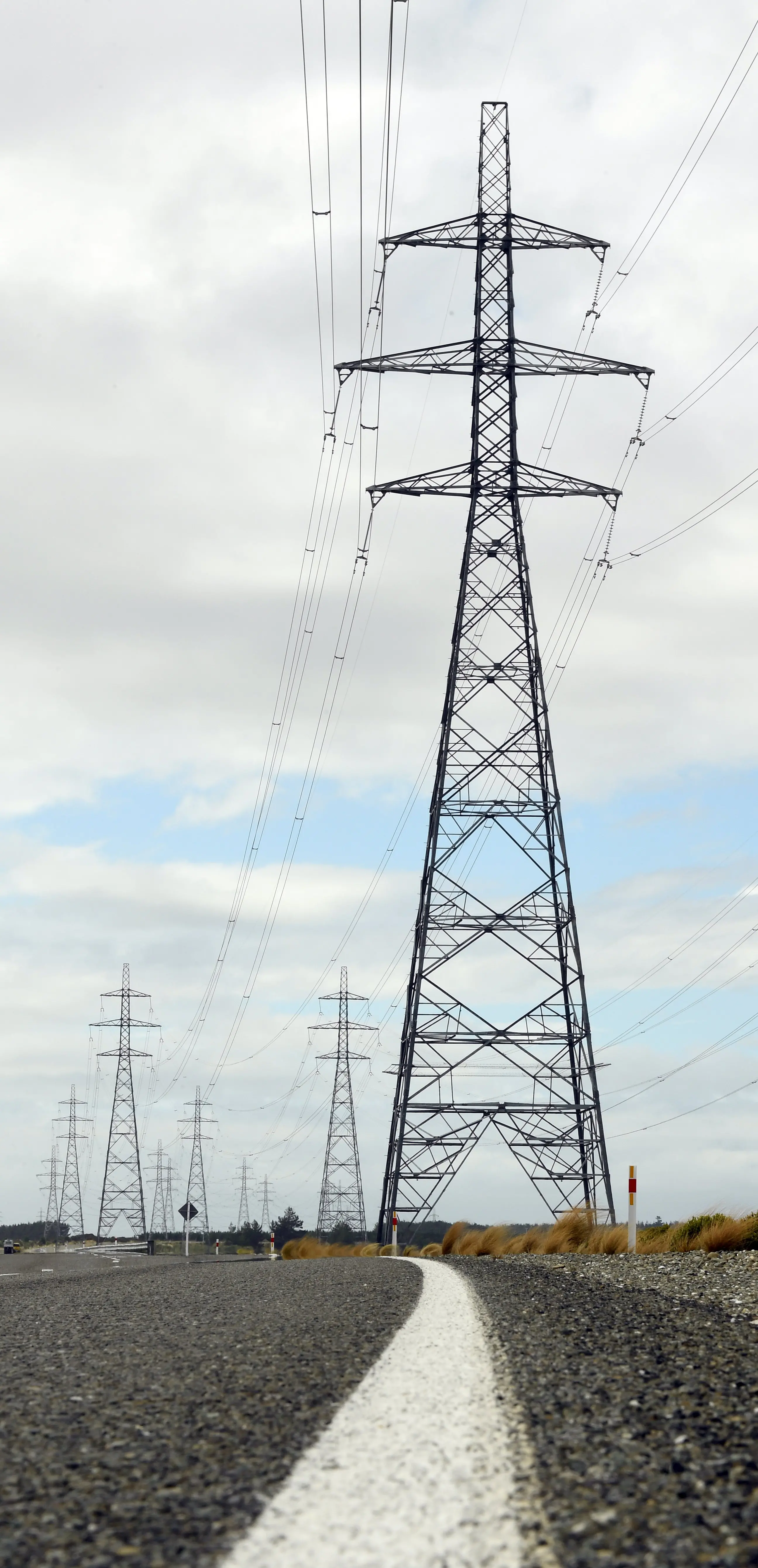
The potential closure of Tiwai Point aluminium smelter would translate to significant additional investment in transmission assets, Genesis Energy says.
The silver lining was that the South Island wholesale power price could drop significantly.
In a footnote to investors, the country's largest electricity retailer put an indicative cost of $600million and a timeframe of five to eight years to undertake the required upgrade work to enable transmission of South Island generation to the North Island.
The Genesis analysis follows a review of the smelter's viability by majority owner Rio Tinto, which is concerned by poor profitability on the back of low global aluminium prices and high power costs, in particular related to transmission costs.
The smelter has been a significant part of New Zealand's electricity demand since it fired up in 1971. Its electricity consumption is now about 13% of the national grid's capacity.
The Genesis review, highlighting research from various independent analysts, noted that the electricity company's North Island generation and customers were "insulated" from the impacts of electricity which was constrained in the South Island.
At the same time, excess South Island electricity would likely lead to increased spill from hydro lakes and South Island wholesale power prices could drop "significantly", it said.
Genesis expected the impact on North Island generation and retail to be "muted" until the transmission challenges were resolved.
Meanwhile, electrification of industrial heat, displacing existing coal use in the South Island, might present an "attractive alternative" to investment in transmission to enable greater supply to the North Island, from a government policy perspective, the report said.