

 BEST OLD DOGS, (NOT-SO) NEW TRICKS
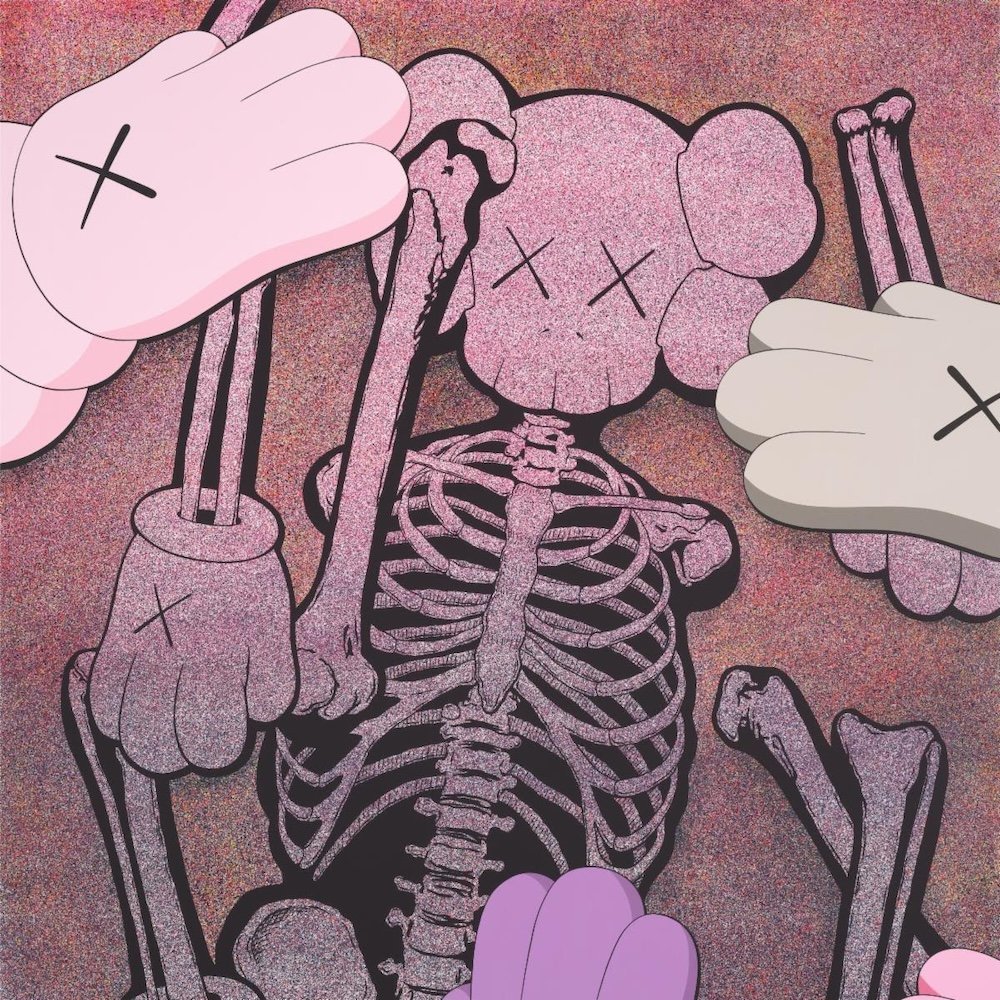
CLIPSE: Let God Sort Em Out
Sixteen years since their last LP, Clipse’s return was welcome in a rap landscape more concerned with streaming numbers and viral trends than verbal dexterity. Accordingly, the Brothers Thornton re-emerged hungry, with Pusha T. looking to capitalise on recent solo successes, while Malice’s faith-based hiatus gave much-needed clarity ("I was the only one to walk away and really be free" he raps on POV). Subsequently, Let God Sort Em Out carried Old Testament heft alongside the brutal coke-raps; though the entendres and menace remained, the introspective undercurrent ("it’s all la-di-da until you see the body") balanced the unrelenting tales of desperation and distribution. Pharrell’s production leant a blockbuster sheen, with languid Middle Eastern strings thrillingly at odds with So Be It’s scrunch-nosed sneer. An album from a duo with a combined age of 100 has no right sounding this urgent or essential.
Single Download: So Be It
BEST GREEN LIGHT RED-HERRING
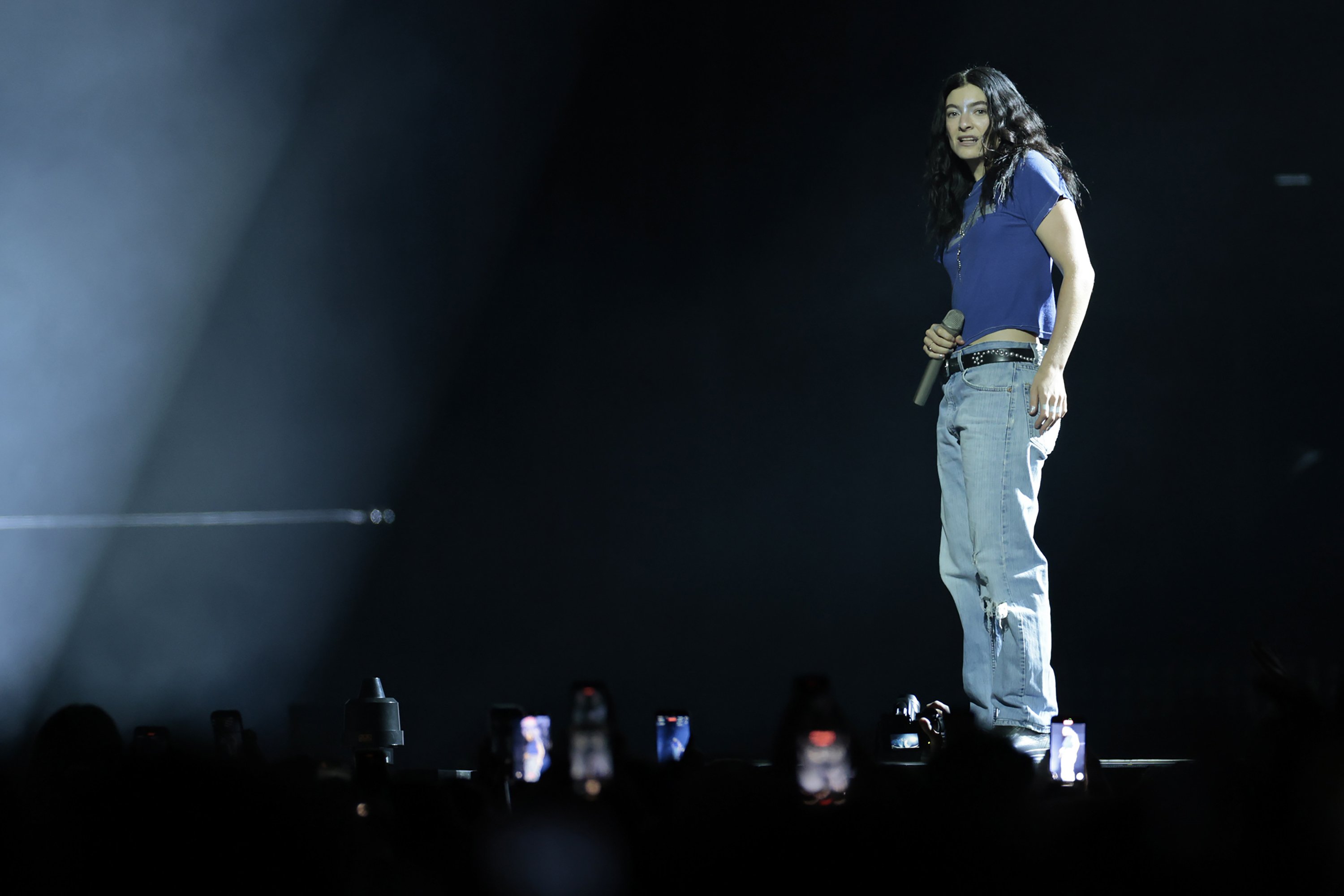
LORDE: Virgin
With fans deflated by Lorde setting controls for the heart of the sun on Solar Power, anticipation was high for the Prettier Jesus’ next move. Bouyed by an Aotearoa music award for her guest turn on Charli XCX’s Girl, So Confusing remix, as well as a pop-up show broadcast from an Auckland bathroom block, followers of Our Lorde and Saviour were relieved that Virgin’s lead single What Was That hearkened back to Melodrama’s halcyon days. However, as the former Ella Yelich-O’Connor intoned on Hammer "some days I’m a woman / some days I’m a man," setting the tone for her most unflinching set of songs to date. Man of the Year — all gauzy synth pulses — put the "lad" in "power ballad", while Shapeshifter’s cry of "I’ve been the siren / I’ve been the saint" further evoked such flux, as her fourth LP stood as a vibrant testament to pop’s transformative power.
Single download: Shapeshifter
BEST INCITEMENT TO SMASH THE STATE VIA PULSATING ISLAND RHYTHMS
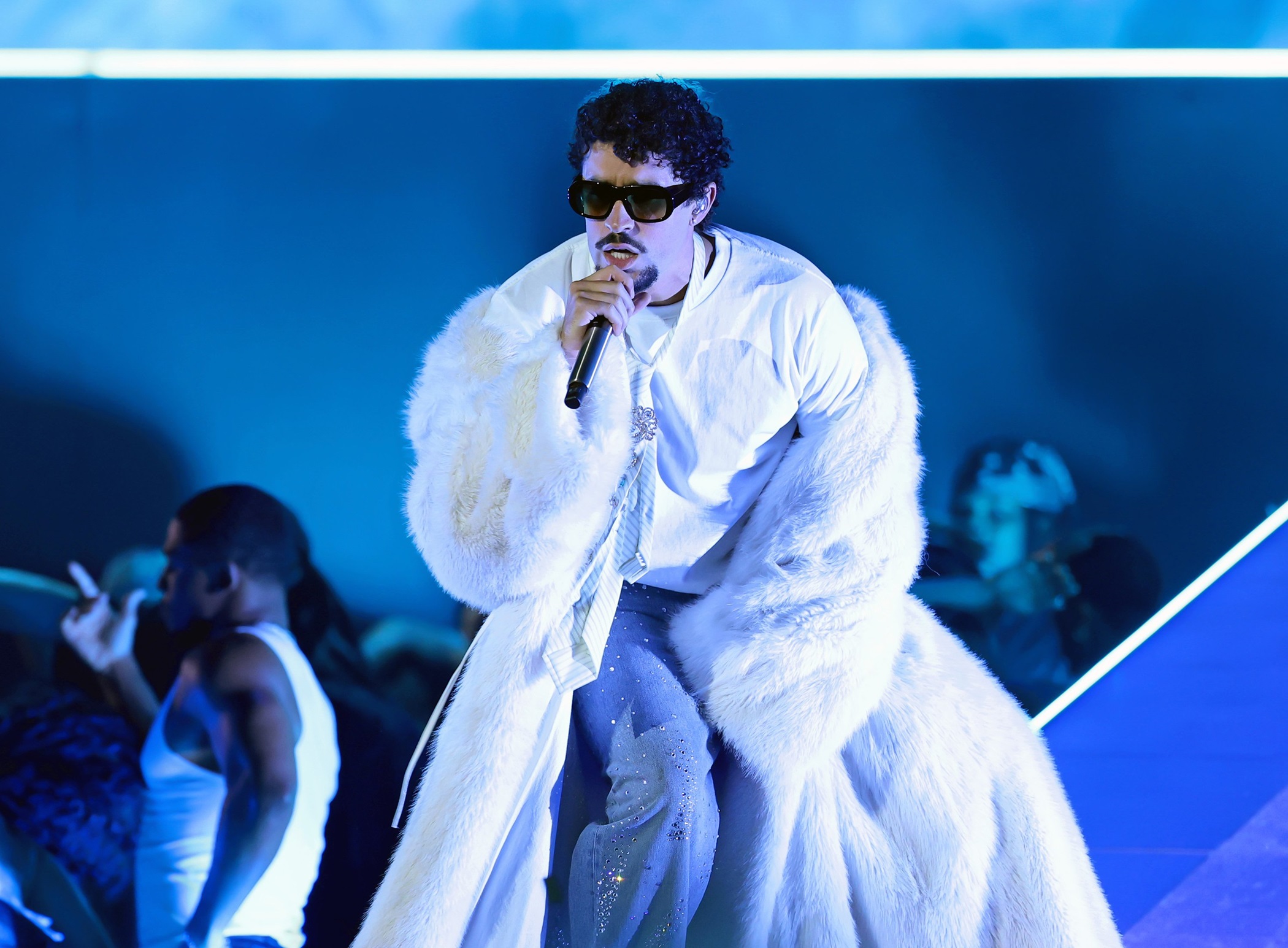
BAD BUNNY: Debi Tirar Mas Fotos
The sixth LP from Puerto Rican superstar Benito Antonio Martinez Ocasio marked a shift from his algorithm-smashing brand of Latin trap (he was crowned the most streamed artist of 2025, with a staggering 19.8 billion plays) towards an intoxicating blend of reggaeton, dembow, bolero and salsa, the perfect accompaniment for an album concerned with roots. Buoyed by Bad Bunny’s bountiful charisma, DeBI TiRAR MiS FOToS (I Should Have Taken More Photos) is a paean to Puerto Rico, tackling sociopolitical issues including the island’s struggle for sovereignty and its complicated relationship with the United States, through to gentrification, as on the gorgeous Lo que le paso a Hawaii ("Que no quiero que hagan contigo lo que le paso a Hawai" — "I don’t want them to do to you what they did to Hawaii"). Such poignancy was buttressed by boisterous musicality, a thrilling synthesis of past and present sounds.
Single download: NUEVAYoL
BEST MAHI IN SERVICE TO WHAKAPAPA
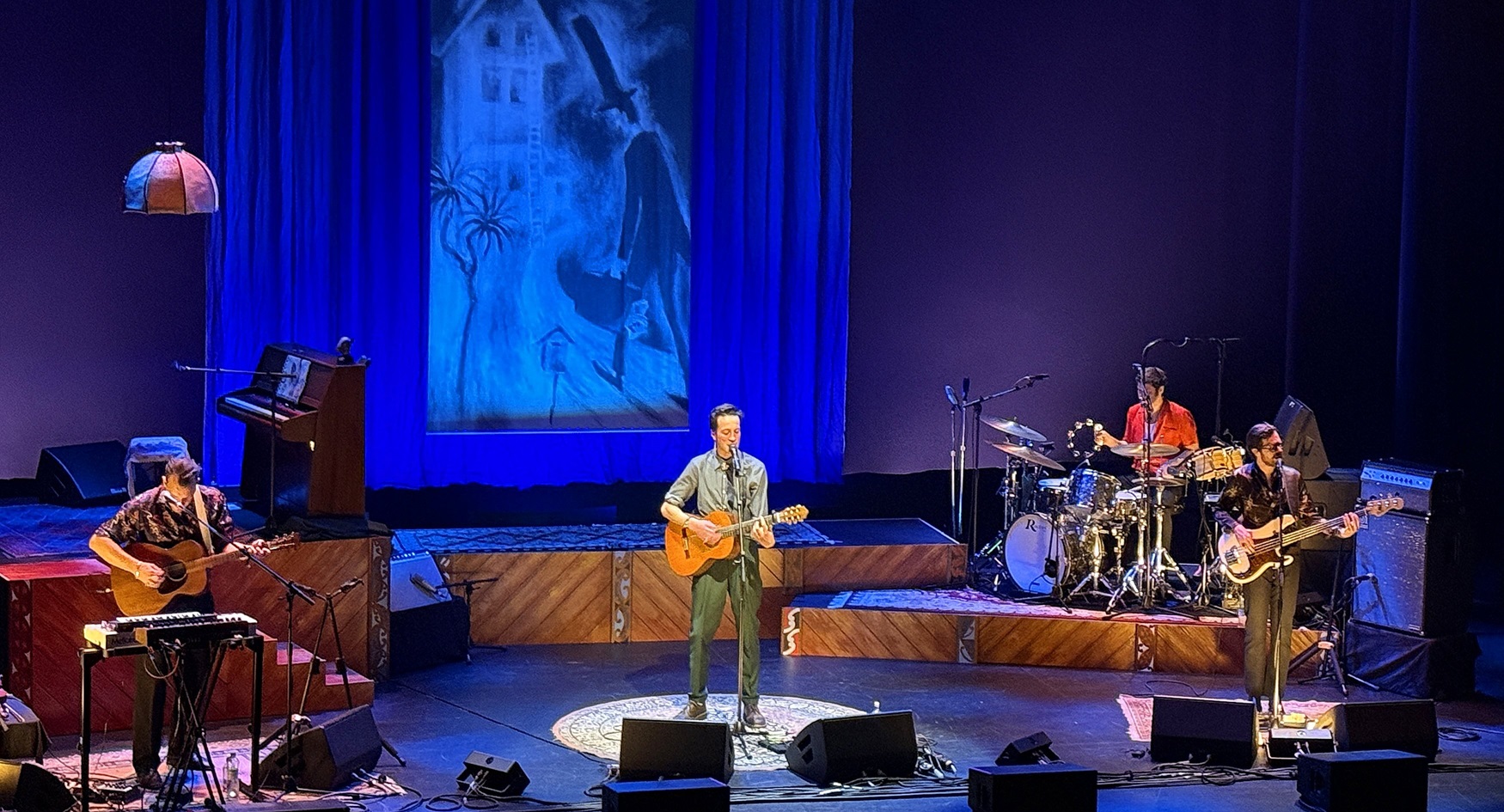
MARLON WILLIAMS: Te Whare Tīwekaweka
Upon the release of his fourth solo album, Marlon Williams spoke to The Guardian of "finding the gall" to commit to an album entirely in his ancestral tongue, as well as being filled with "whakamā" (self-doubt) about doing justice to this highly personal project. Turns out the Lyttelton-based troubadour needn’t have worried. Released at a tumultuous time for te reo and race relations in Aotearoa, Te Whare Tīwekaweka (The Messy House) was a triumph, not only for Williams (Kāi Tahu, Ngāi Tai) and te reo, but for music across the motu. At turns stirring, radiant and reflective, traditional waiata were meticulously blended with roots, country and rock ’n’ roll; when lead single Aua Atu Rā — inspired by Māori showbands of the 1960s — earned Williams his second APRA Silver Scroll, it anointed Te Whare Tīwekaweka as a modern classic, guided by tikanga and adorned with aroha.
Single download: Aua Atu Rā
BEST REASON TO SLEEP WITH THE LIGHT ON
billy woods: GOLLIWOG
On his first solo outing since 2019, Brooklyn rap veteran billy woods took his stentorian roar of a flow and smothered it with the type of dense, claustrophobic soundscapes that give John Carpenter the heebie jeebies. Opening track Jumpscare set out its cinematic stall: a film projector whirrs into life, before eerie music box melodies and woods’ jagged vocal fragments enhanced the dissociative, disturbing aural palette, as he intoned "the English language is violence / I hotwired it / I got a hold of the master’s tools and dialed in". GOLLIWOG was suffused with simmering tension, whether through its observations of race-relations, toxic romantic dynamics, the impact of poverty or the overwhelming, hallucinogenic feel of modern life ("everything buffering, reality lag and jump / sometimes barely recognize the people I love"); such lyrical concerns were backed by dread-inducing production that dripped with minor key menace — a masterclass in atmospherics.
Single download: Waterproof Mascara
CAN’T STOP, WON’T STOP
In late October, hip-hop’s demise was announced, as, for the first time since 1990, the Billboard Top 40 was devoid of any rap acts. Were the broadsheets correct, and had this been just "a fad" all along? Had the pearl-clutching suburban moms finally had their day in the sun? Was it "algorithm fatigue," with a multitude of made-for-streaming-short-on-substance acts being devoured — then disposed of — by content creators the globe over? Or, is this an echo of the backwater "disco sucks" backlash? The answer is far more mundane, down to a quirk of how the data is harvested in the streaming era. Hip-hop’s fingerprints — vocal inflections, production techniques — remain indelibly stamped on the charts, though in 2025, it was the genre’s elder statesmen ensuring its influence remains — Clipse and billy woods did their part (see above), while Danny Brown’s Stardust manically melded hyperpop with his scattergun flow and Cabin In The Sky was a technicolour celebration of De La Soul’s legacy. Elsewhere, posthumous efforts from Mobb Deep and Big L, and Slick Rick achieving platinum status for Children’s Story (1989) were proof that we’re not yet ready to write rap’s obituary.
TINY DESK, BIG YEAR
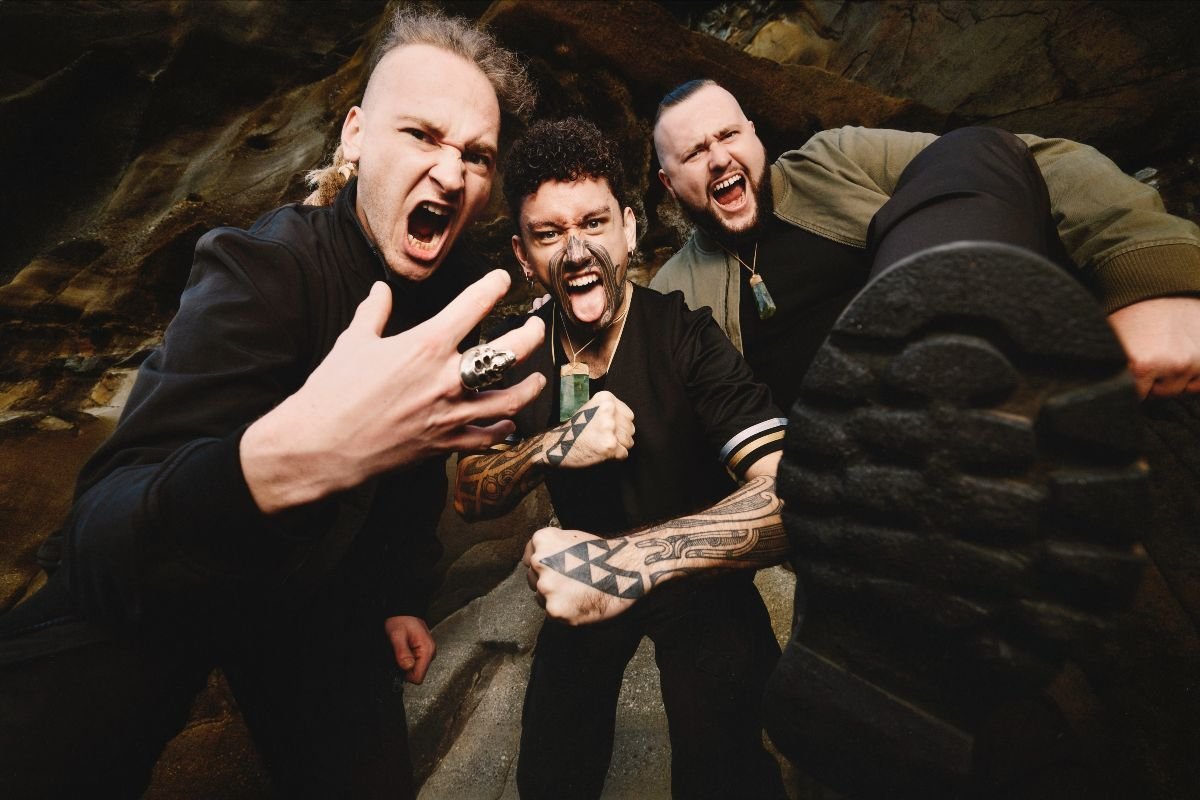
As rap’s commercial dominance trended down, rock remained in rude health. Close to home, Martin Phillip’s artistic farewell was captured with the winsome Springboard: The Early Unrecorded Songs, while something is brewing in Ōamaru, with What Kind Of Human Have I Become standing on the shoulders of (tall) dwarfs on lo-fi gem Memory Gut. Alien Weaponry’s third LP Te Rā continued to thrillingly fuse visceral riffs with tikanga Māori, globally showcasing our indigenous culture. Further afield, Getting Killed by Brooklyn indie rockers Geese was rife with psychedelic swagger and artistic left-turns, making for one of rock’s more singular releases. Wet Leg returned with Moisturizer, chock-full of witty barbs and spiky riffs, while Swedish-American reprobates Viagra Boys archly satirised regressive worldviews on viagr aboys. In a landmark moment, NPR’s Tiny Desk concert series witnessed it’s first mosh pit, thanks to Baltimore hardcore legends Turnstile — that their Never Enough embraced electronica and earned them Grammy nods in both Best Alternative and Best Heavy Metal categories speaks not only to their ambition, but also the genre’s boundless possibilities.


