
PHOTO
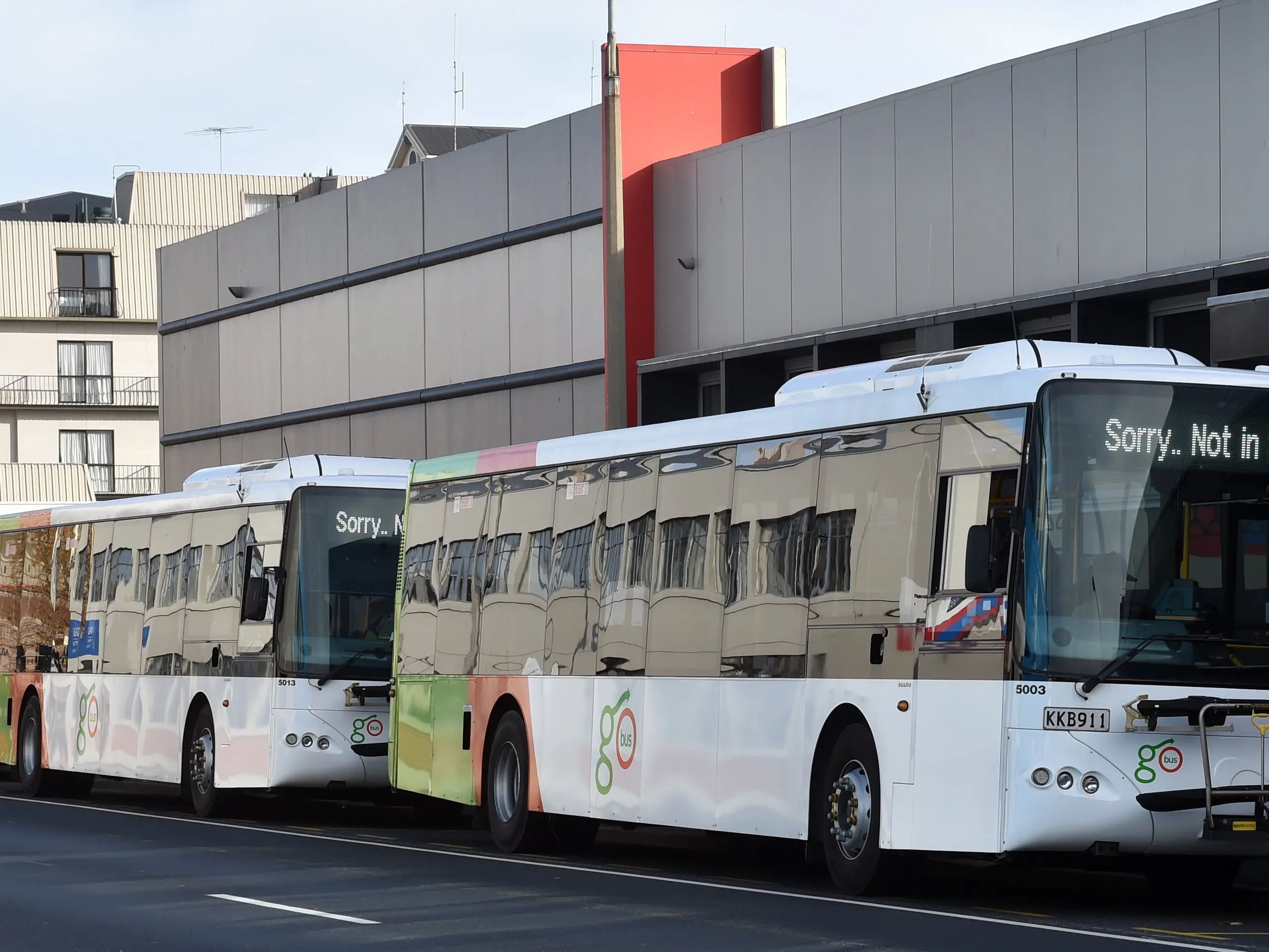
Many university staff and students in Dunedin find public transport "too slow and too unreliable".
That was one of the issues raised during hearings for the Otago Regional Council’s draft regional public transport plan yesterday.
About 16 groups and individuals had their say on the plan which will set the focus for public transport in the region for the next 10 years.
Otago University Students’ Association (OUSA) political representative Mhairi Mackenzie Everitt said students were repeatedly pointing out issues in regards to the frequency of buses, inadequate routes for students’ needs, a lack of late-night buses and lack of student concession fares.
The association disagreed with a section of the council’s draft plan which said a key challenge for the council was "a perception that transport is costly, inconvenient and hard to use, compared to other transport modes".
"These perceptions are, in fact, reality," Ms Everitt said.
Of 683 students surveyed by the association, 515 said the bus system was not suited for student use.
Bus timetables did not take into account that students generally needed to arrive at the campus within 10 minutes to the hour for their classes.
Many students had to arrive far too early, or late, to classes, she said.
The association has asked for student concession fares since the Bee Card ticketing system was introduced last year, and yesterday, Ms Everitt made that request once again.
"Considering one of the council’s priorities is to deliver fares that are affordable ... OUSA is surprised that there is no discussion of student concession fares specifically stated in this plan," she said.
Some of those points were echoed by the University of Otago.
Strategic resource planner Kevin Wood said the main feedback from staff and students on public transport was that it was "too slow and too unreliable".
Due to a lack of buses going directly to campus, a kilometre gap existed between the bus hub on Great King St and the university.
It made travelling by bus less desirable and a solution was needed to close that gap, he said.
Hearings will continue in Dunedin today.