
PHOTO
What do you know about the 14 candidates contesting the 2019 Dunedin mayoral elections? City council reporter Chris Morris puts the questions to Aaron Hawkins.
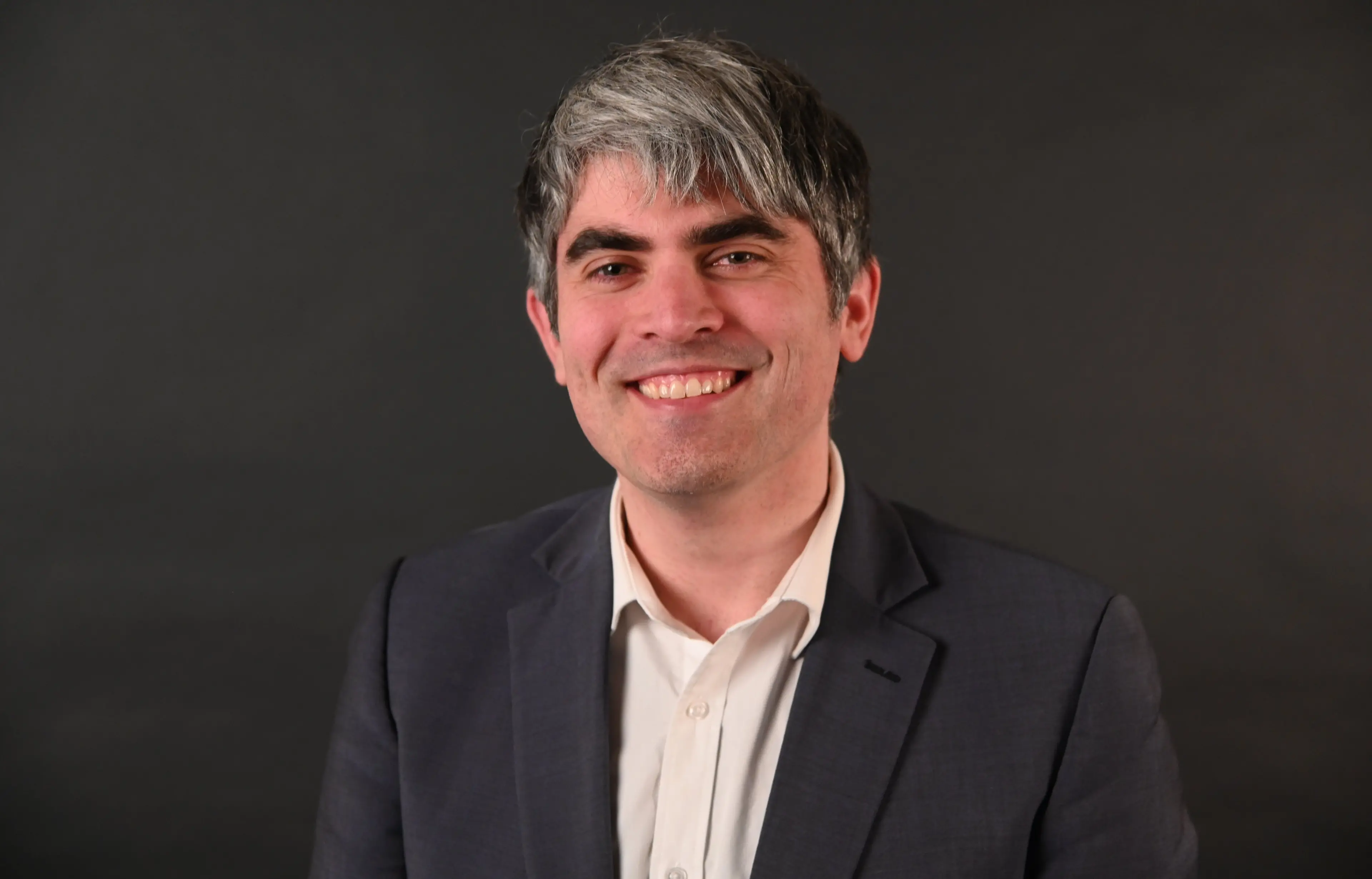
Aaron Hawkins
Age: 35.
Brought up: Invercargill, Southland, then Dunedin.
Occupation: City councillor.
Council/governance experience: Two-term councillor, chairman of community and culture committee Refugee Steering Group, Creative Dunedin Partnership, Mayor’s Taskforce for Housing; Dunedin Fringe Arts Trust chairman, former Blue Oyster Arts Trust board member.
Political orientation: Progressive, Green Party candidate.
Describe yourself in three words: Effective, fair, curious.
Dunedin city councillor Aaron Hawkins says the city needs to tackle the challenges of housing and public transport while doing more to protect the environment.
As mayor, he would focus on improving Dunedin's public housing, in particular, while also looking for ways to improve the city's public transport options to take the pressure off parking.
But he believes the council also needs to invest in climate change initiatives if it hopes to persuade central government to help out as well.
Why should people vote for you for mayor?
Because I'm the only candidate who has a strong track record of building strong political support and working positively with staff to deliver on the issues that are important to our community. A candidate can say whatever they like or promise whatever they like, but unless you can demonstrate how you're going to get support around the council table, from at least seven other people to make that happen, then it's all a bit meaningless really.
What would your priorities be as mayor?
I think the biggest issues that the city faces are around housing and transport and our natural environment. My priority is around delivering more public [rental] housing in Dunedin.
In transport, it's about making alternatives to having to drive around the city more viable for people, so that's about making our bus fares cheaper, but also obviously supporting safer walking and cycling.
And in the natural environment it's just around continuing on the work we've been doing around being more ambitious around climate action and making the city zero-carbon, but also supporting our biodiversity goals.
What makes you qualified for the job?
Because I am an effective elected representative, I have been able to - particularly in the last three years - get a lot of traction on the issues that are important, not just to me but to our community. I think that's what you need a mayor to be able to do. It's easy to talk about stuff. It's more difficult to do what needs to be done to make it a reality.
What is the city doing well, and what could it do better?
I think one of the things we're doing better is communication with our community, and I think we're very lucky to have - in Sue Bidrose - a chief executive who is very capable in that arena.
What are we not doing well? It's not so much things we're not doing well, but we've made a lot of commitments and set a lot of targets and haven't progressed them potentially as urgently as we could, mainly around environmental stuff.
How would you balance costs associated with climate change against the need for affordability for ratepayers?
It's difficult. The reliance of local government on rates as a source of revenue ... that does make it challenging.
You could do nothing, in the interests of affordability for people on lower incomes, but perversely they're also the people who would be punished by you doing nothing.
Ultimately, I think we need to see ... a greater role from central government in supporting our towns and cities to do well in a less stable environment.
Is parking a problem in Dunedin and what should be done?
We have a transport problem ... At the moment, too many people have to rely on using it [parking], because the alternatives aren't attractive or available enough, which makes it difficult to prioritise people who have a genuine need for closer-proximity parking.
We need to make our bus system cheaper and we need to continue to support safer walking and cycling. I realise that that's not going to be an option for everyone, but by making it an option for people for whom it is, it frees up more of the resource that you have.