
PHOTO
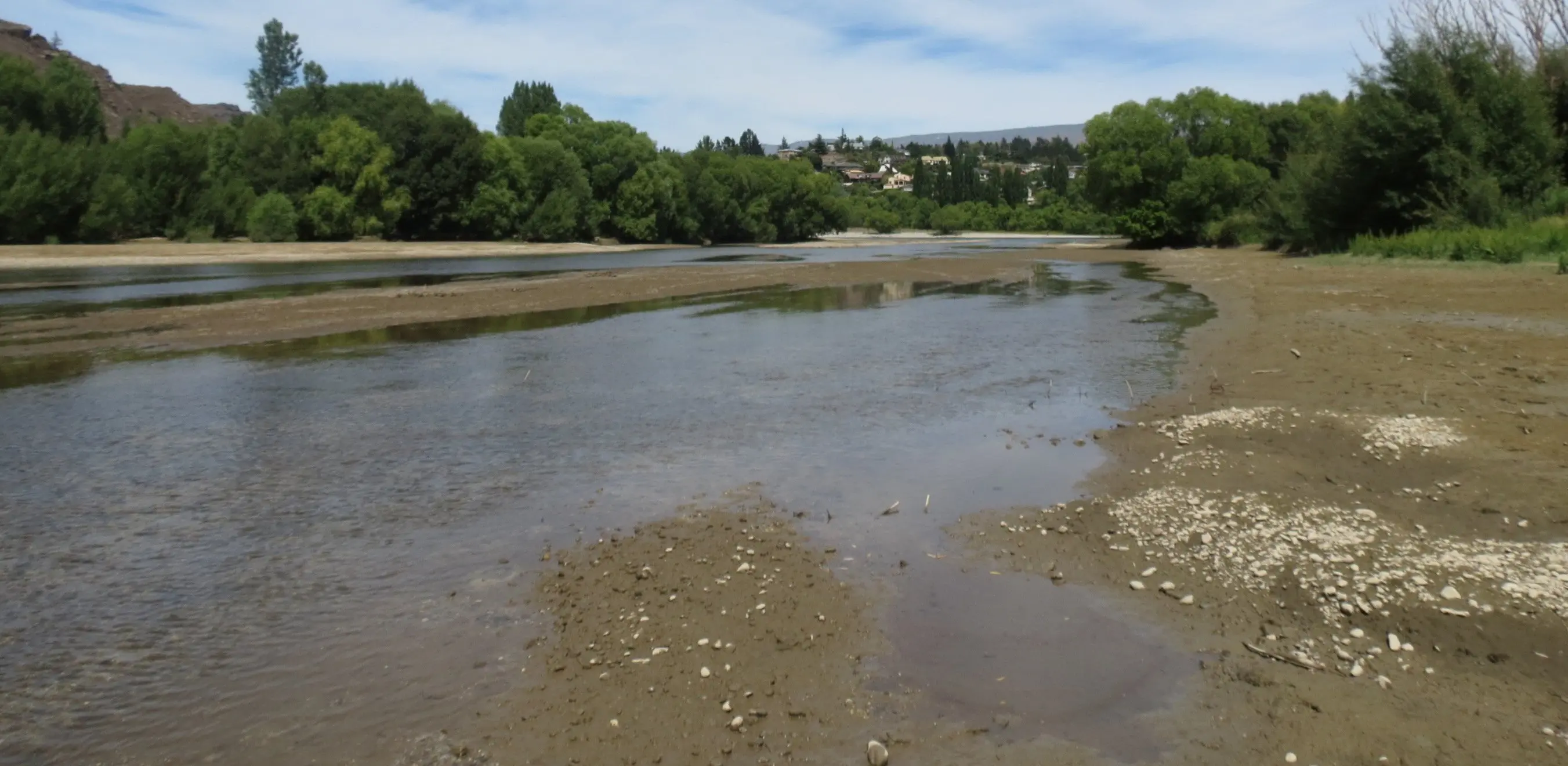
Fire and water restrictions have been put in place across Otago as the region becomes perilously dry.
Dunedin, Clutha and coastal Waitaki will move to a restricted fire season at 8am today, until further notice.
Fire and Emergency New Zealand district manager Phil Marsh said a restricted fire season meant people needed a permit to light open-air fires.
Despite some wet days, the more settled dry weather was drying out vegetation and increasing the fire danger, he said.
"Previous fire seasons have shown that significant fires can ignite and spread quickly during dry weather as is currently being experienced."
He urged residents to take extra care as the dry weather continued.
Yesterday, the Dunedin City Council urged Mosgiel residents and businesses to conserve water to avoid the introduction of restrictions.
Three Waters planning manager Jared Oliver said given the hot weather forecast over the next few days and people returning from holiday, there was potential for Mosgiel’s water demand to significantly increase.
The Otago Regional Council is also urging people to use their "common sense" and consider water conservation over the coming weeks.
Acting regulatory general manager Jo Gilroy said as of yesterday, Otago waterways were recording low flows, which was putting additional stress on the waterways and their ecological values.
Affected waterways included the Manuherikia, Lindis, Taieri, Cardrona, Shag and Waiwera catchments.
Other monitoring locations were also near low-flow situations.
When minimum flows were hit, consent holders must cease taking water, she said.
"Rivers throughout Otago are now running low and we need people to conserve water and use it efficiently, if taking from rivers, lakes or streams."
While there was a small amount of rain in the immediate forecast, it was unlikely to be enough to make a substantial difference to river levels over the long term.
The longer-term weather outlook was for generally hot, dry conditions, she said.
"If the current dry period continues for an extended period, particularly in the driest parts of inland Otago, we’ll continue to see a number of rivers run low, so we’re asking people to take practical steps now to reduce water use.
"Whilst we enjoy a hot and dry summer, council may need to consider a water shortage direction if low river levels continue.
"If this became necessary, this measure would be forecast and communicated ahead of time so landowners can prepare," Ms Gilroy said.
Landowners should ensure they maintained efficiencies around stock water infrastructure such as checking for leaks, Ms Gilroy said.
"For those that can still irrigate, it is common sense to stick to good-practice principles, such as maintaining suitable irrigation depths and irrigating at times of the day when water is more likely to be absorbed.
"Those in urban areas are encouraged to follow the water-use restrictions in place by their local council and be mindful of their water use as well."