
PHOTO
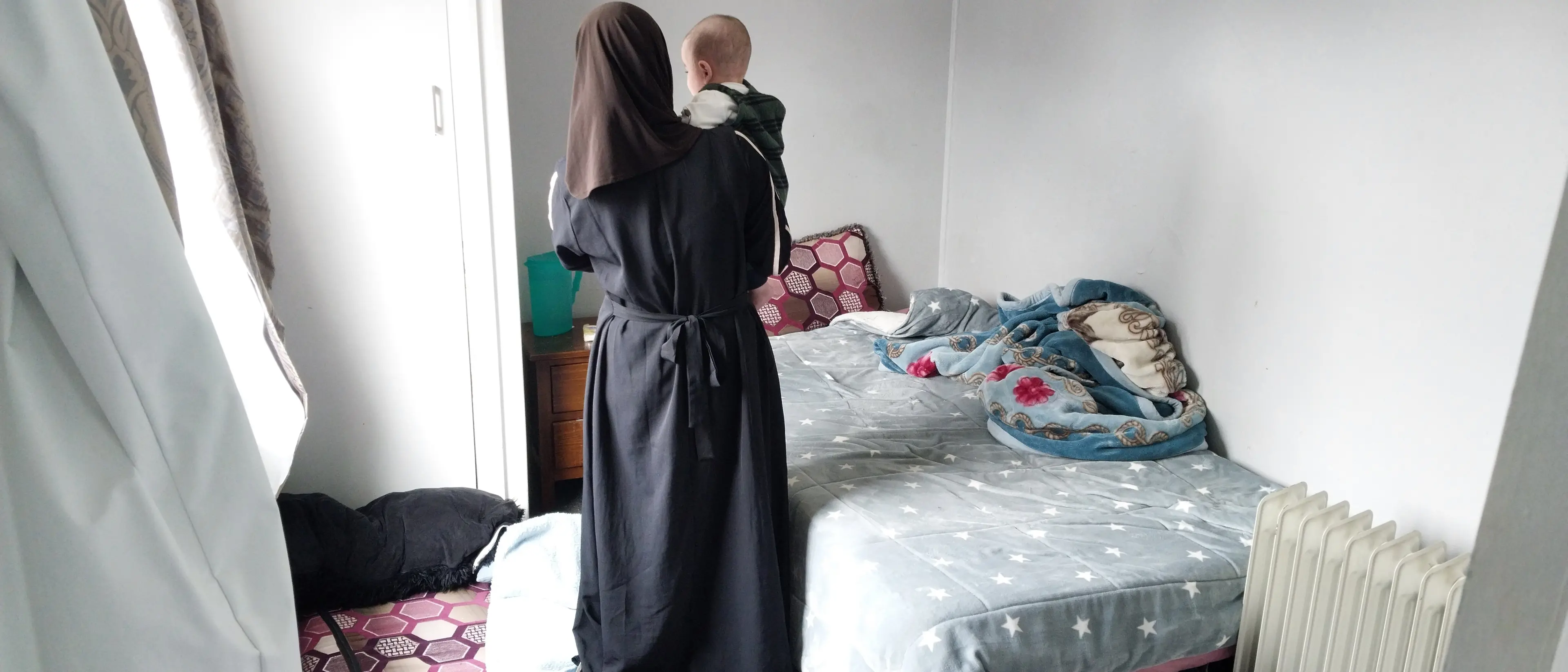
The plight of former refugees living in overcrowded, ageing Dunedin houses is a symptom of the city’s housing crisis that government must solve, social leaders say.
Since 2015, refugees have arrived in Dunedin through a government settlement programme, after then-mayor Dave Cull campaigned for it to happen, citing the city’s community spirit and social services. The city had also welcomed refugees in previous decades.
The Otago Daily Times today tells the stories of two former refugee families settled to the city years ago but now living in Dunedin homes that are far too small — and social leaders say this is not uncommon.
Both families who talked to the ODT included people with serious disabilities, young adults and children. Both families faced challenges including limited English proficiency and only low-income or no employment.
The families expressed dismay that obvious ongoing housing needs had been overlooked since they were first settled here, with one mother saying the situation was "horrible, stressful".
Mayor Sophie Barker said she was "incredibly proud" of the city’s efforts to welcome refugees and make it their home too, making Dunedin a "better, more diverse and enriching place to live".
However, there was a need to continue to lobby government to invest in "additional community housing in Dunedin, which would help ensure each newly-arrived family has accommodation suitable to their needs", she said.
Ms Barker said that in 2015, when Dunedin was being considered as a place to settle refugees, concerns had been raised about Dunedin’s "lack of quality housing and old state housing stock".
These concerns had "not been resolved," she said.
A spokesperson for the Red Cross — which provides up to two years support to refugee families arriving in Dunedin through the Ministry of Business, Innovation and Employment (MBIE) refugee settlement programme — flagged housing availability and suitability as "significant issues".
The challenge of changes in families’ needs over time "highlight the importance of co-ordinated, cross-agency support beyond the initial resettlement period."
Community Law Otago called for more homes in the city to end the problem.
Solicitor Rupert O’Brien, also law reform co-ordinator for Community Law nationally, said the problem boiled down to the fact that "Kainga Ora do not have enough housing".
"They were building more, it got cancelled, and there just isn’t enough housing for larger families in Dunedin.
"Overcrowding is a problem we have found for the former refugee community, and people in general, in the private rental market as well. It is very, very difficult."
Government data shows that between 2015-16 and 2019-20 inclusive, nearly 16% of refugees arriving in New Zealand through the refugee settlement programme were settled to Dunedin — 736 out of 4717.
During the Covid years, refugee arrivals dropped — and since then around 100 refugees a year have been welcomed to the city.
The figure is around 7% of the 1500 refugees New Zealand aims now to settle through the settlement programme annually.
Most frequently, refugees have arrived in Dunedin through the programme from war-torn Syria and Afghanistan.
Western Sydney University researcher Kritika Rana, who recently published a study about refugee overcrowding in the Journal of Epidemiology and Community Health, said overcrowding particularly impacted young adult refugees transitioning from childhood and it could "intensify stress and contribute to poorer mental health and wellbeing for them and their parents".
The overcrowding was "not simply a matter of housing supply. It reflects intersecting challenges such as language barriers, discrimination in rental markets, low-income employment and limited access to culturally-appropriate support services."
Chief executive of refugee support organisation Aotearoa Refugee and Migrant Support Services (ARMSS) Zainab Radhi said some families found value in still living together as they grew, for mutual support. However, overcrowding could have severe negative outcomes, including poor mental health, disease and domestic conflict.
"Even the small size of rooms can contribute to conflict," Ms Radhi said.
MBIE refugee services general manager Fiona Whiteridge said housing across the country was challenging and families were not settled anywhere unless "safe, affordable, healthy and appropriate accommodation has been secured and local services are in place to support their settlement."
This decision-making process meant it was not possible to set "pre-determined numerical targets" for how many families will be settled under the programme in Dunedin in the next financial year.