
PHOTO
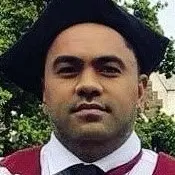
The author of a ground-breaking study has highlighted the importance of non-Maori people learning te reo Maori if the language is to be revitalised.
Will Flavell, of West Auckland, recently graduated from the University of Otago with a doctorate in education.
His studies were based on the first doctoral research on the learning experiences of non-Maori secondary school pupils learning re reo Maori.
Te reo Maori was significant for all New Zealanders, he said.
"In order to maintain and grow te reo Maori, both Maori and non-Maori must be involved in the revitalisation and further development of the language."
The secondary pupils he had interviewed recognised that "it is not a matter of being Maori or not; instead, it is the value that we place on te reo Maori".
Dr Flavell is the education manager Maori at Comet Auckland-Te Hononga Akoranga, a not-for-profit Auckland Council-controlled education initiative.
His doctoral thesis focused on the learning experiences and attitudes of non-Maori secondary school pupils learning te reo Maori.
He drew on 10 years’ experience teaching in high schools, including as head of Maori studies at Rutherford College.
The Government and the Maori Language Commission aimed for a million New Zealanders to be able to speak basic te reo Maori by 2040.
However, that goal could be achieved only if more non-Maori were learning the language, he said.
"I took up the challenge of postgraduate research because I am passionate about the revitalisation of te reo Maori and my journey has shown me how all New Zealanders play a valuable role in its normalisation."
"If we set our mind to a goal, we can achieve it."