

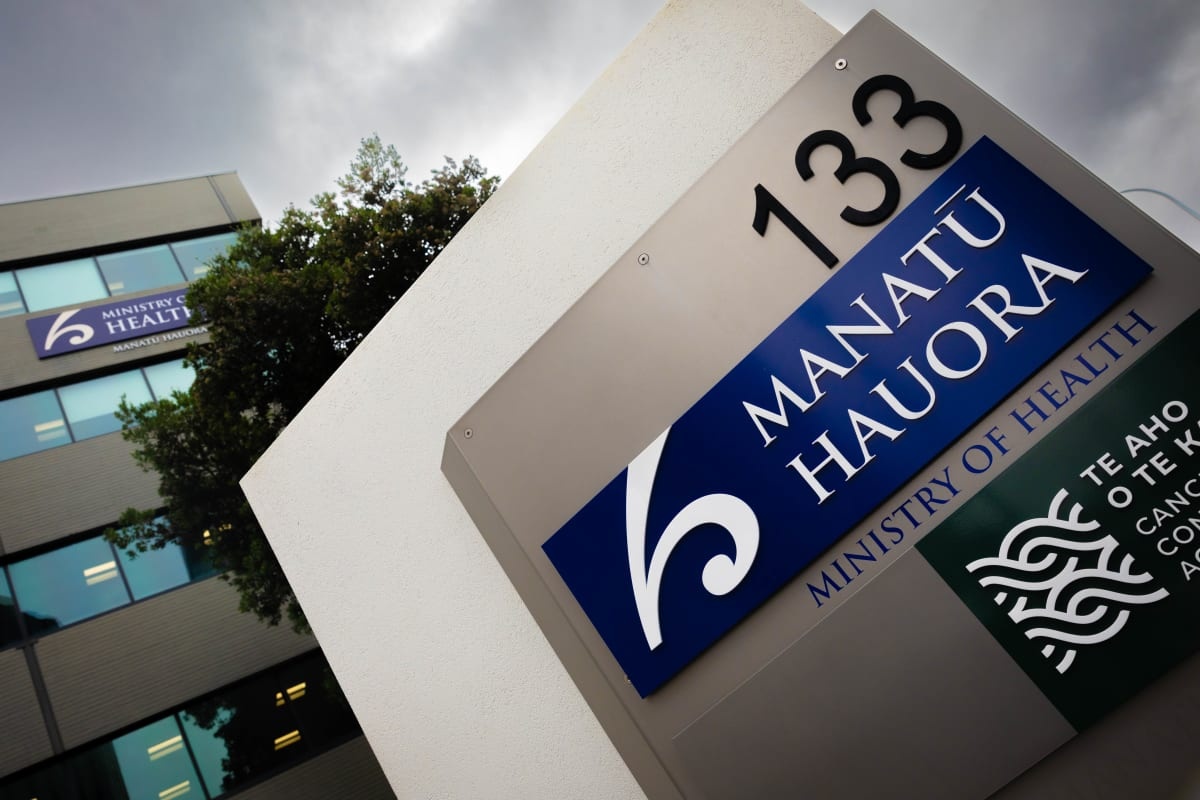
The Ministry of Health is finalising its response plan which could see more tele-health consultations under escalation of the government's National Fuel Plan.
The ministry says it is working with Health New Zealand, government drug-buying agency Pharmac and other health agencies to identify and manage any emerging risks.
"Our priority is making sure people can continue to access the health services, medicines and medical devices they need," a Ministry of Health spokesperson said.
In Phase 2, it said, the health system would look to reduce fuel use where possible, while maintaining patient access and continuity of care.
"This may include health service providers offering phone or video appointments for some services, where appropriate, while ensuring people can still access in-person care when it is needed."
At Phases 3 and 4, the government would introduce measures to manage the supply of fuel and prioritise access.
The exact details of those phases were still under consultation, but assurances had been given that essential services including food supply and emergency response were fully protected.
"Our expectation is that most or all health services will be categorised as life-supporting or essential, and would therefore be prioritised for fuel allocation with no caps," a Ministry of Health spokesperson said.
Patient advocate wants patients' needs prioritised
Patient Voice Aotearoa chair Malcolm Mulholland did not want to see barriers or patients being financially penalised by the fuel crisis.
"It's important that patients who do need to be seen physically by a medical professional are not disadvantaged or have a barrier put in front of them by the way of fuel costs.
"If barriers are put in place, then patients won't get the care that they so desperately need, on occasion, so it's really important that is a major factor in the decision-making moving forward."
Mulholland said it was also important people were aware there were some cases where they needed to be seen physically - not by phone or video consult.
He said an increase in tele-health consults could also have a knock-on effect for emergency departments,
"If patients have barriers put in place to see their GP, then it will result in EDs becoming flooded because that is the natural place where people go if they can't get primary care."
The latest government data shows New Zealand's fuel stocks have continued to fall, but movements remain within expectations.
The figures, published today but accurate to midday on Wednesday, showed 51.8 days of petrol, 41.3 days of diesel, and 45.7 days of jet fuel.
This story was first published on rnz.co.nz |  |


