
PHOTO
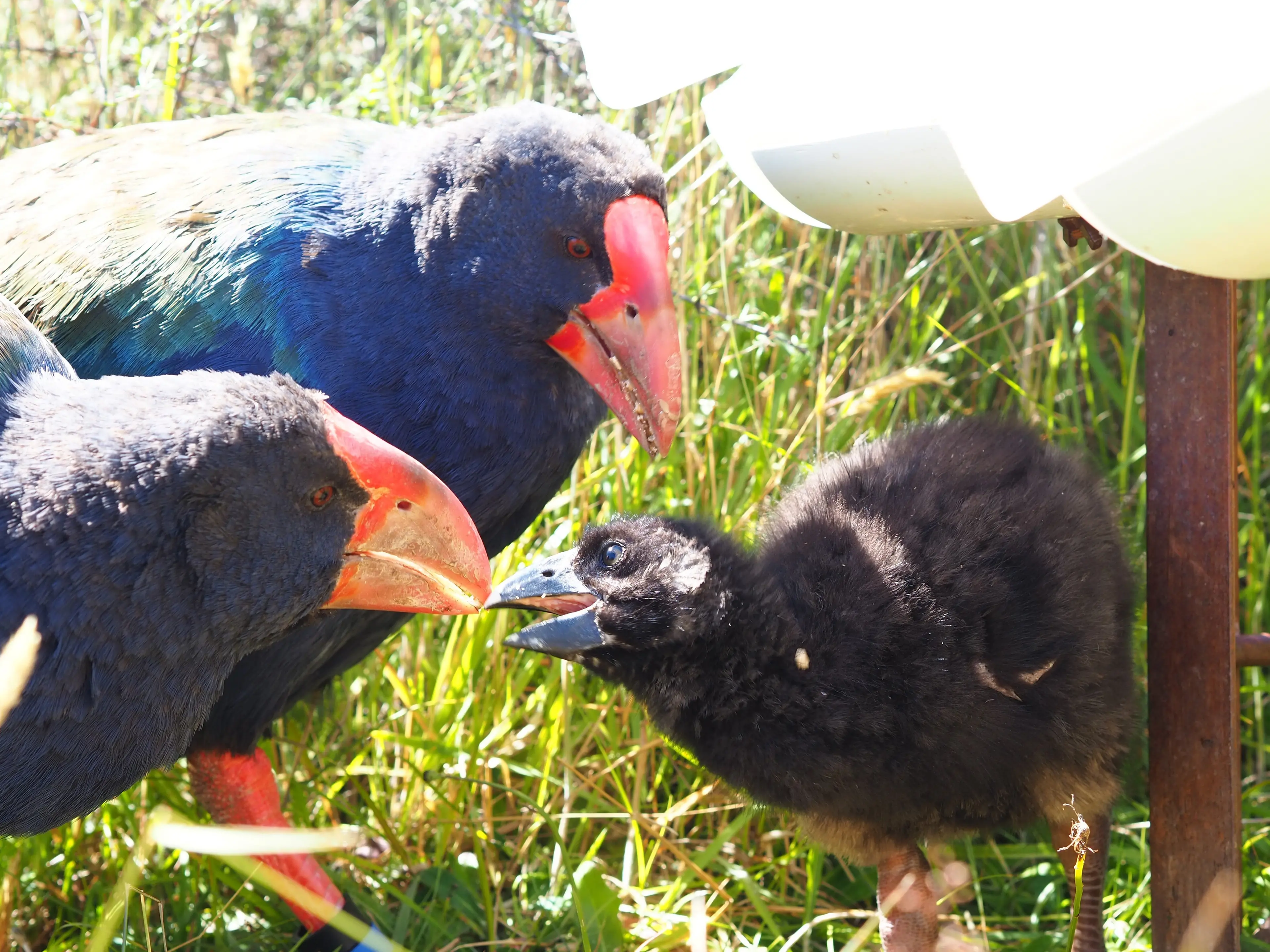
A new DNA testing method developed in the North Island will give a boost to a couple of rare southern bird species.
The tests would confirm the sex of newly hatched birds within an hour, improving the recovery efforts for two threatened species, kākāpō and takahē, the Department of Conservation said in a statement.
The fast DNA test, developed by Gisborne-based dnature diagnostics & research, is less invasive than traditional testing methods, provides faster results and can be used in the field.
Doc science adviser for kākāpō and takahē Dr Andrew Digby said knowing the sex of a chick early helped staff prioritise the young bird’s care more effectively.
‘‘Both populations are still very low — 235 kākāpō and just over 500 takahē — so management for both species is intensive,’’ he said.
‘‘For kākāpō, the level of intervention they receive as chicks can have long-term implications, so knowing the sex early on is important.
‘‘We avoid hand-rearing males because it leads to lower fertility, and we prioritise intervention for females as the main drivers of population growth.
‘‘The results also help us more accurately assess chick growth to determine whether they are healthy. Males grow faster than females, so knowing which growth curve a chick should be following means we can understand how well they’re developing.
‘‘Knowing the sex of takahē early allows us to plan transfers and site-specific training, pair birds with genetically appropriate mates and balance sex ratios. This supports long-term genetic health and ensures young birds are given the best chance to adapt well to their new homes.’’
Dr Digby said the rapid PCR test was already making a difference in the current bumper kākāpō breeding season and would play an important role in the future of both recovery programmes.
‘‘With a simple process our team can use in the field, it’s a game-changer during busy breeding periods.
‘‘For now, the fast results allow us to make decisions sooner and give every kākāpō and takahē chick the best chance of success.’’
Technical director of dnature diagnostics & research John Mackay said the test was first developed last year.
‘‘We designed a fast, easy method to ensure Doc staff could test when and where it was needed,’’ he said.
He said 46 samples could be taken and the sexes could be known the same day. The chick’s bills were swabbed with a small cotton bud, or a tiny spot of blood could be used, then the DNA was extracted and run through the portable PCR machine.
‘‘Our test is another tool in the toolbox for these important recovery programmes and we’re proud to have been able to help in this work.’’— Allied Media