
PHOTO
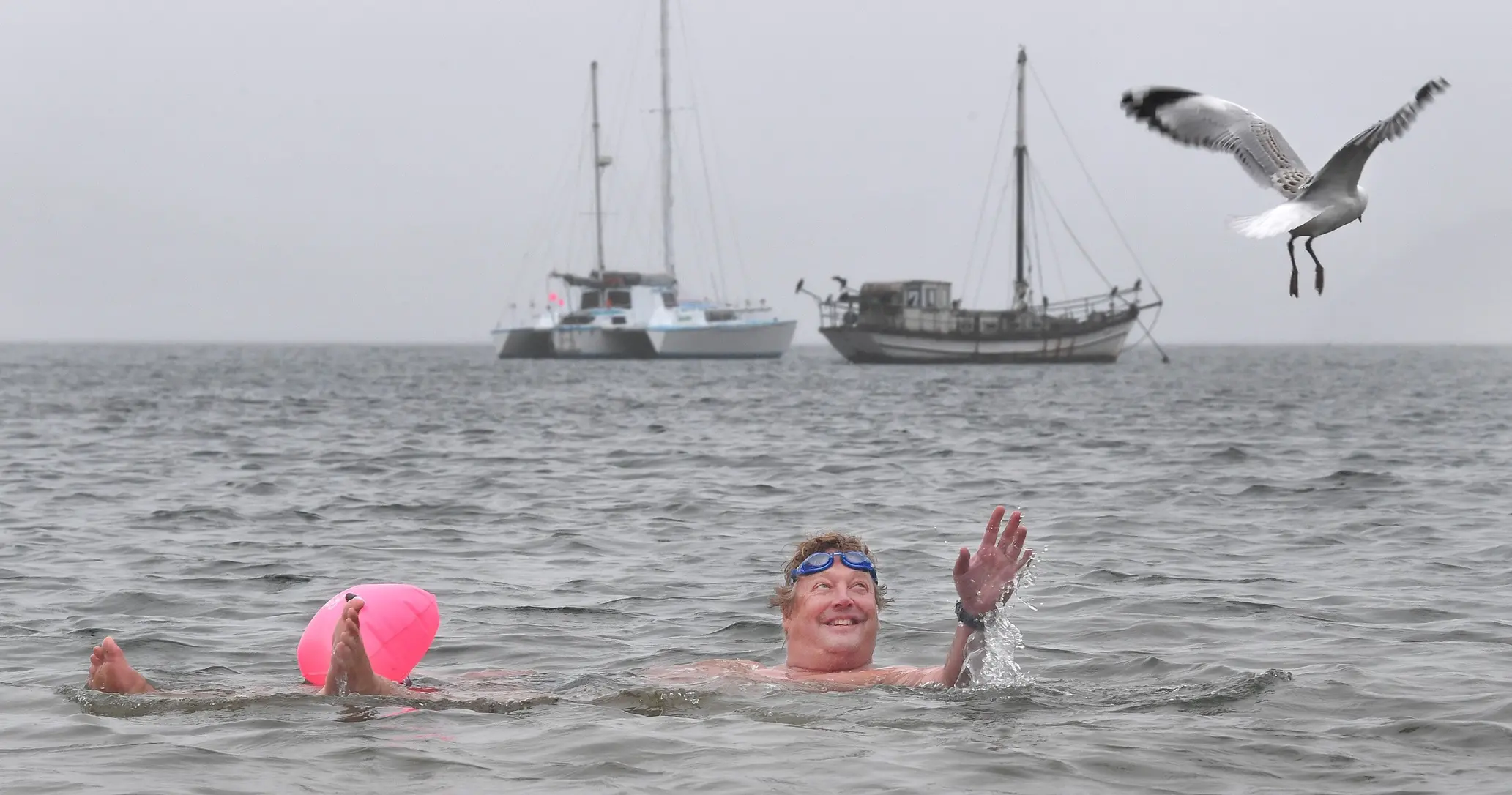
As I typed this, Tūhura Otago Museum’s chairman was swimming Cook Strait.
Not metaphorically. Actually.
Twenty-odd kilometres of cold, tide-ripped water between the North and South Islands, raising money so the museum can install a sprinkler system.
Not a planetarium. Not a glamorous new gallery.
Sprinklers.
The sort of thing most public buildings quietly assume — like toilets or electricity.
You would think protecting a national collection of irreplaceable taoka, specimens and archives from fire might count as essential infrastructure. Something funded before anyone has to don their togs and dodge jellyfish.
And yet, here we are. It would be comic if it weren’t so revealing.
Across New Zealand, museums are performing similar contortions. Quietly. Politely. Heroically.
Eighteen months ago, my own museum reduced its senior staff simply to stay solvent. Te Papa is restructuring. Auckland Museum is tightening its belt. Canterbury Museum is still wrestling with a funding shortfall for its rebuild.
These are the flagships. If they’re bailing water, you can imagine what is happening in the wider cultural sector.
From the outside, none of this is obvious. Museums look busy. The cafes hum. School groups pour through the doors.
Cruise passengers treat us as must-see stops. Researchers expect to use our collections as if they were a free public utility.
Which, in a sense, they are, but utilities still need to be paid for.
Most large museums now generate close to half their operating income from commercial sources — retail, events, sponsorships and venue hire.
We host weddings and quiz nights to conserve fossils and catalogue taoka Māori. Part museum, part small business, part charity.
At the same time, public support has quietly thinned.
The national fund for museum capital projects has gone. Education funding is on hold.
Curious Minds — one of the most effective STEM programmes we ever had — disappeared.
None of these were luxuries. They were the plumbing.
It’s odd. We talk endlessly about tourism marketing — campaigns, slogans, glossy ads — but tourists don’t come here for the branding.
They come for experiences and stories. For the places that explain who we are.
Museums are that infrastructure.
We’re where visitors go on rainy afternoons. Where children first stand under a whale skeleton or see a meteorite or a carved waka and feel the world get bigger.
Where science, along with history, stop being abstract and become real.
Cutting museum funding while boosting tourism promotion is like advertising a restaurant while dismantling the kitchen.
Sooner or later, someone notices there’s nothing on the plate.
So what might we do differently?
Treat museums like the infrastructure they are. If they underpin tourism, fund them as part of the tourism system, not as optional culture.
And if we’re welcoming wealthy investors through residence visas, perhaps we ask them to invest meaningfully in the civic life of the country they’re joining — museums, libraries, galleries, science centres. Not charity. Contribution.
Because museums aren’t "nice to have". They are memory banks.
Classrooms. Research labs. Insurance policies for our collective story.
Once collections are lost, they’re gone. You can’t rebuild a century of scholarship or replace a taoka handed through the generations.
Museums don’t fail dramatically. They just slowly wither.
Fewer conservators. Shorter hours. Darker galleries. Until one day, the place feels smaller than you remember, like a library after the books have gone.
So yes — last month our chairman was swimming the Cook Strait for sprinklers. I was cheering him on.
But I can’t help thinking that in a sensible country, protecting its history shouldn’t require anyone — not even the chairman — to train like a marathon swimmer just to stop it burning down.
• Ian Griffin is director of Otago Museum.