
PHOTO
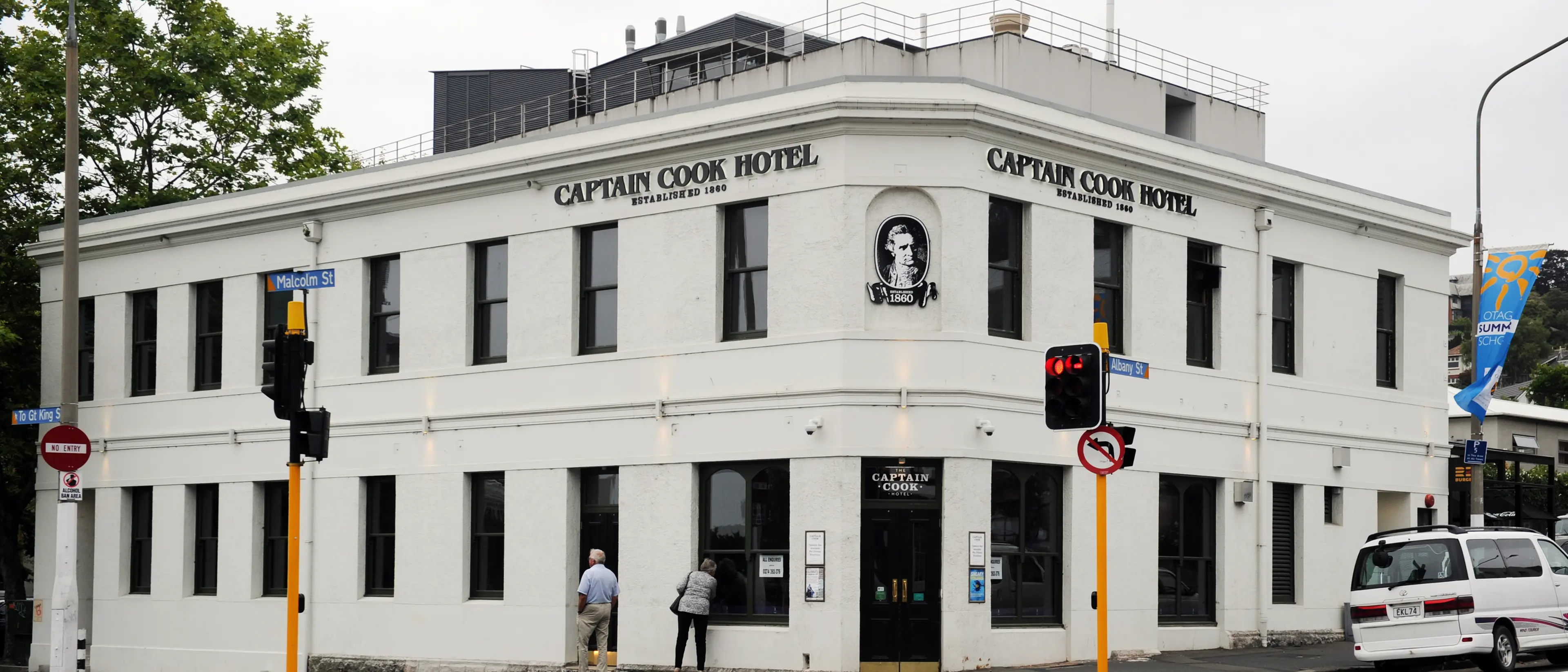
History is neither set in stone nor cast in brass. It is not painted on steel nor etched into marble. It shifts like St Kilda’s sand dunes and it is as clear as Taieri mud.
We can never know with absolute certainty every nuanced component of every significant event of the past. Even in this media-rich age, we struggle to know the present.
What we know is only as good as what we are told, and what we are told depends entirely on the sources available to us. The victor sees things differently to the vanquished.
Equally, we can try as hard as we can to look to the past with clear eyes and an open mind, but we cannot expect to leave our own cultural baggage behind.
Our backgrounds and experiences shape us and the way in which we respond to the things we learn. We see the past through our own lens, just as we see our present.
Would-be historians learn this in the first year at university. They learn the past is a foreign country and like all good tourists, we see what we want to see and avoid what does not appeal.
This theory is being put to the test today as a new generation re-examines our historical legacy. They want us to consider what we know about our past, and how and why we memorialise it.
There are calls for an inquiry into the identification and removal of objectionable colonial monuments, statues and street names around the country. Some say statues of colonial figures should be removed, others say they should be given context. In Dunedin, Mayor Aaron Hawkins advocates a "national conversation".
There has already been concrete action. A statue of British army captain John Hamilton, who killed Maori during the Waikato land war, was removed after a formal request and a threat; in Gisborne, a statue of Captain James Cook was tagged with "Take this racist headstone of my people down before I do".
An online petition seeks to remove Parliament’s statue of former premier Richard Seddon who, petitioners say, was a "notorious autocrat, imperialist and racist". Race Relations Commissioner Meng Foon said Seddon likened Chinese people to monkeys.
Mr Foon understands the disquiet and the anger, but wants people to "take a pause" on acts of vandalism. He wants local debates about monuments and place names but says "history, it is what it is. Good, bad and ugly, but I think it's a good impetus for our country to learn our history."
Certainly, the re-emergence of an old debate suggests we need to. As with any decision that affects our communities, we must understand why things are as they are, why we believe what we believe, and whether we are happy with inaction or change.
This will be difficult for some, especially those who want to believe this is all just an out-of-place result of the global rallying cry against racism sparked by the Black Lives Matter movement. It will be tempting, for some, to say this sort of thing comes from a foreign country.
Deputy Prime Minster Winston Peters last week expressed "outrage at the wave of idiocy surrounding the role of historic statues in our country’s history" and wondered why "some woke New Zealanders feel the need to mimic mindless actions imported from overseas?"
A self-confident country would never succumb to obliterating symbols of their history, whether it be good or bad or simply gone out of fashion, he said. A country learns from its mistakes and triumphs and its people should have the knowledge and maturity to distinguish between the two.
Mr Peters is right insofar as a self-confident country ought to learn from its mistakes and triumphs. But, it should also be self-confident enough to revisit those mistakes and triumphs, to be absolutely sure it understands what they are, and how to distinguish between them.
Only then will it know whether it is memorialising the things that truly reflect it — and whether it wants to keep faith with the decisions of the past, that elusive foreign country.