

Drowning statistics, accident statistics, and in particular road toll statistics are hardy annuals at this time of year as governing bodies once more consider the cost of tolls generated usually by people’s own foolishness or carelessness.
However this year the annual total of road deaths — provisionally 272 as December 31’s last minutes ticked away — has been the subject of interesting research by the Automobile Association which is some parts encouraging and in some parts disturbing.
The number killed on our roads last year was 20 down on the previous year, a figure which continued a steady shift down from not all too long ago when tolls of 300+ were the norm.
Indeed, it is only four years since 371 died on the roads in 2022 — a number the like of which the country does not wish too see again. Good fortune be willing, it may not.
The AA’s number crunchers have taken the 2023 number of road deaths and extrapolated it as a per head of population figure. Last year’s rate was 5.1 road deaths per 100,000 people — which is still appalling enough but is also in line with the levels experienced in New Zealand a century ago.
Back then, motoring barely existed in New Zealand; there were only 150,000 registered cars in the country, minuscule compared to the 1.4 million inhabitants. Safety technology we take for granted, such as seat belts or air bags, was virtually non-existent.
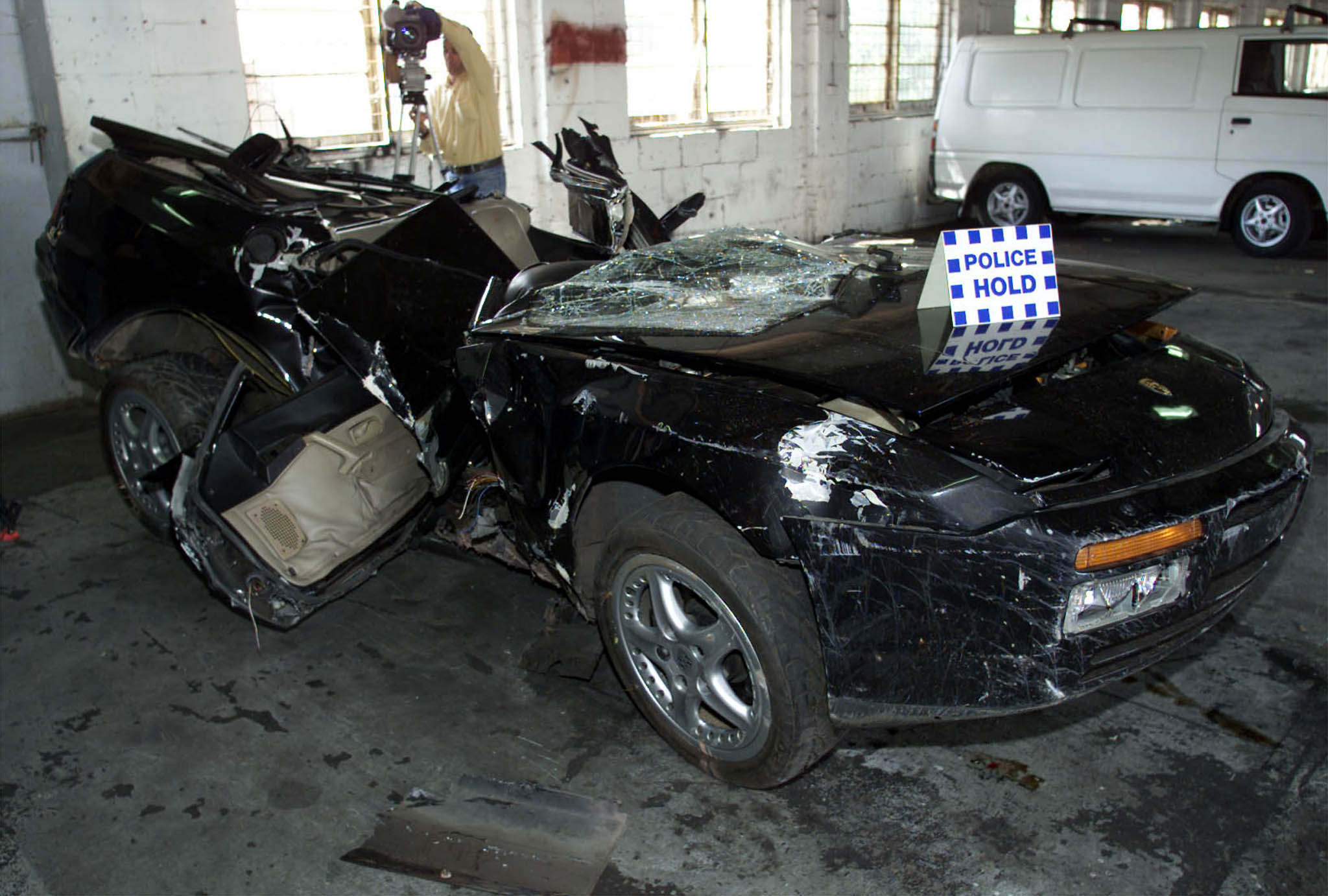
We are a people who drive, here there and everywhere. Many an effort has been made to bring down the road toll — which peaked at 843 in 1973 — and those efforts may have had some success.
Which is all well and good — and every prevented death is to be applauded — but the numbers also run the risk of setting a precedent. Encouraging per capita numbers run the risk of becoming established fact: that if we are going to continue to operate motor vehicles then this per capita ratio, being as good as it has ever been, is as good as it can ever get.
We sincerely hope that that is not the case. Ever improving technology and the development of a more modern fleet could work wonders — imagine the safety benefits of more cars having proximity sensor technology.
Improved roads may also be a boon, although that comes with a degree of caution; the government’s much touted roads of national significance remain largely unbuilt and untested in real life conditions, and what impact speed changes upwards on many roads have had on crash rates also remains to be assessed.
The recent introduction of testing for drugged drivers is also too new for its implications and outcomes to be seen. While there are legitimate reservations about some of the technology used, it does have enormous potential.
It is a cliche, but nonetheless true for all that, that each road death is one too many. By the early hours of 2026, barring police investigations as to cause, the road toll may already have hit two.
So many of what we disamingly label as accidents are preventable. Better technology and stronger enforcement of road rules can only go so far before individual responsibility has to take over.
At a time of year when the prevailing message is goodwill to all, drivers need to keep a weather eye out for the safety of other road users, their passengers and themselves.


