
PHOTO
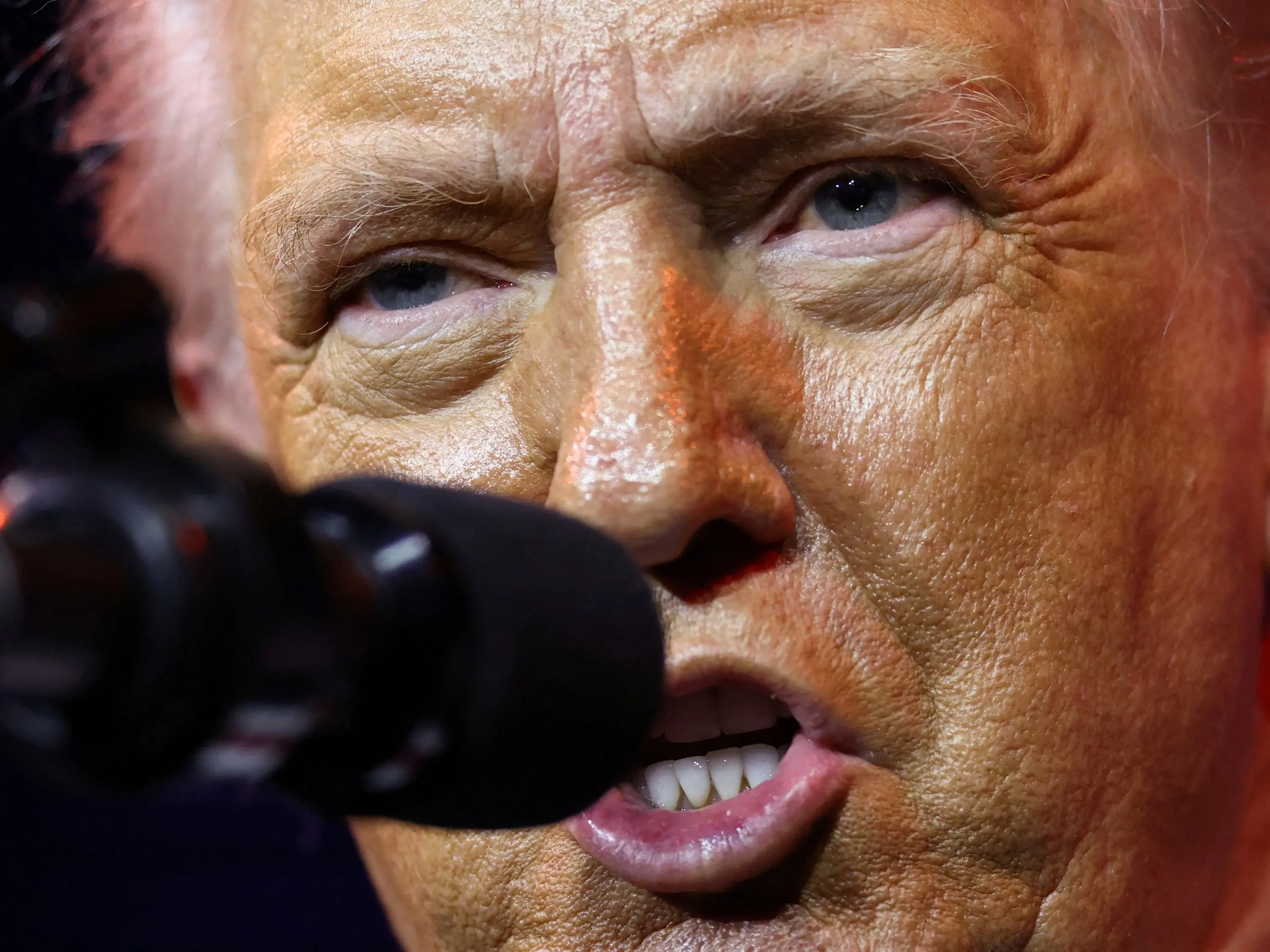
In a previous column (ODT, 26.12.25) I argued diplomacy would be a better alternative than military intervention for assisting Venezuelans with restoring legitimate, democratic government. US President Donald Trump chose military intervention.
Experts on international law offered their opinions. In New Zealand former prime minister Helen Clark and University of Otago Professor Robert Patman in interviews with RNZ and the Otago Daily Times, respectively criticised the military operation to depose Nicolas Maduro as a violation of international law.
Trump dismisses the criticism. In an interview with reporters from the New York Times on 7 January, Trump asserted he decides when international law allows the use of US military forces.
Criticism was also heard in Congress, not so much about international law, but about failure to consult with the leading members of the Intelligence and Armed Services committees before executing the military operation. Trump responded to that complaint with his own complaint that "Congress has a tendency to leak."
Trump’s claim to be a legitimate arbiter for compliance with international law is absurd and even ominous. Respect for international law in the rules-based international system is essential for peace and security.
A recent editorial in the Otago Daily Times wisely urged us to ponder the precedent that "simply having a large and technically proficient military suffices to do whatever you want on the international stage without fear of any comeback."
Trump’s justification for not involving leading members of Congress before executing the military operation is also not credible. Most of the Republican and Democratic leaders of the Intelligence and Armed Services committees are military veterans and all are experienced with classified material.
They should be trusted.
Prior to the military operation in Venezuela, Trump enjoyed near unanimous support from Republicans in Congress for his foreign policy. In the aftermath, an increasing number of Republicans are alarmed over Trump’s planning to control Venezuela and use military force again if the Venezuelan government does not comply with his demands.
On 8 January, five Republicans in the Senate aligned with Democrats on a motion to allow debate on a proposed war powers resolution that would prohibit Trump from using military force again in Venezuela. On social media Trump scorned the five Republicans for stupidity and signalled to his Maga supporters those disloyal Republicans should not be re-elected.
Constitutional sharing of war powers between the executive and legislative branches of government has been a debated issue reaching back to the 1960s. Until now, presidents have requested and received authorisation from Congress for involving the United States in military hostilities abroad. Trump wants subservience from Congress, not partnership.
The proposed war powers resolution should include Greenland.
Republicans as well as Democrats in Congress are alarmed over Trump’s obsession with Greenland.
Greenland, the world’s largest island located in the Arctic Ocean, is an autonomous territory in the Kingdom of Denmark.
Since deposing and arresting Maduro, Trump has insisted the US must have Greenland. On 9 January Trump told reporters he is "going to do something on Greenland whether they like it or not", "either the easy way or the hard way."
Although speaking cryptically, obviously the easy way for the US to acquire Greenland would be a real estate sale and the hard way would be annexation by military force.
In Trump’s telling, the US needs Greenland "from the standpoint of national security."
Greenland will be taken by the US, Russia or China. Nonsense! That narrative is propaganda, an affront to Denmark and an embarrassment for the American public.
As an article in the Otago Daily Times on 11 January pointed out, Greenland has Nato protection because Denmark has membership in Nato. Furthermore, as mentioned in the article, the US has a military presence in Greenland authorised by an agreement with Denmark. Denmark has been exemplary on co-operation with the US for Greenland’s security.
Trump covets Greenland not only for a geostrategic reason but an economic one as well. He has prioritised acquiring for the US an abundant and secure supply of rare earth and other critical minerals. Greenland is a rich source for the desired minerals and Trump wants exclusive control.
Trump’s implicit threat to acquire Greenland by any means necessary has clearly alarmed Denmark and the other members of Nato. Denmark Prime Minister Mette Frederiksen says Greenland is not for sale and warns US military seizure would wreck Nato. Six members of Nato have supported Denmark in a joint statement.
Public opinion polling in Greenland shows an overwhelming majority do not want Greenland to become US territory.
No doubt European solidarity on Greenland increases Trump’s disdain for the European Union and Nato. He believes the European Union was created to "screw" the US on trade and the US does not need Nato.
Trump’s disdain is rooted in his dislike of multilateral diplomacy and the multiple permissions needed for consensus decision making. He prefers bilateral diplomacy that the US can dominate with its economic and military power.
Venezuela and Greenland are just two examples of Trump’s imperial ambitions. Other examples include the Trump Corollary to the Monroe Doctrine proclaimed in the November 2025 National Security Strategy document and economic pressure to draw Canada into the United States.
• Richard Byrne is a retired professor of history at the University of Maryland Global Campus, who is now resident in Dunedin.