
PHOTO
Over the summer break, following the repeal of the previous government’s Natural and Built Environment Act and Spatial Planning Act, the government introduced replacement legislation intended to resolve long-standing issues with the Resource Management Act (RMA).
The new Planning Bill and Natural Environment Bill were introduced on December 9. They aim to speed up development and reduce regulatory complexity — objectives that many will welcome.
However, less attention has been paid to what may be lost in the process: the ability for local communities to influence how their environments are shaped and protected.
Under the proposed framework, regional spatial plans would replace the current network of district and regional plans.
While this may streamline decision-making, it also centralises control and reduces the role of local context and public participation.
In practical terms, this means fewer opportunities for residents to raise concerns about changes affecting their neighbourhoods, landscapes and daily living environments.
Once a spatial plan is confirmed, appeal pathways are significantly limited.
How might these changes affect you?
Much of New Zealand’s planning framework is built around the concept of amenity values — the qualities that make places pleasant, healthy and distinctive to live in.
These include sunlight access, outlook, neighbourhood character, open space, landscape values and visual quality. They are reflected through development controls in district and regional plans.
Amenity values underpin decisions such as managing aircraft noise near residential areas, limiting building heights in sensitive town centres and protecting landscape backdrops and character that define places such as Queenstown and Central Otago.
Under the proposed legislation, explicit consideration of amenity, landscape and visual effects will be excluded or limited to areas formally identified as outstanding natural features or landscapes under existing classification systems (Clause 14, proposed Planning Bill).
This creates a risk that local character and environmental context become secondary to development efficiency.
For example, Queenstown’s internationally recognised landscape setting is currently protected through district-level planning controls.
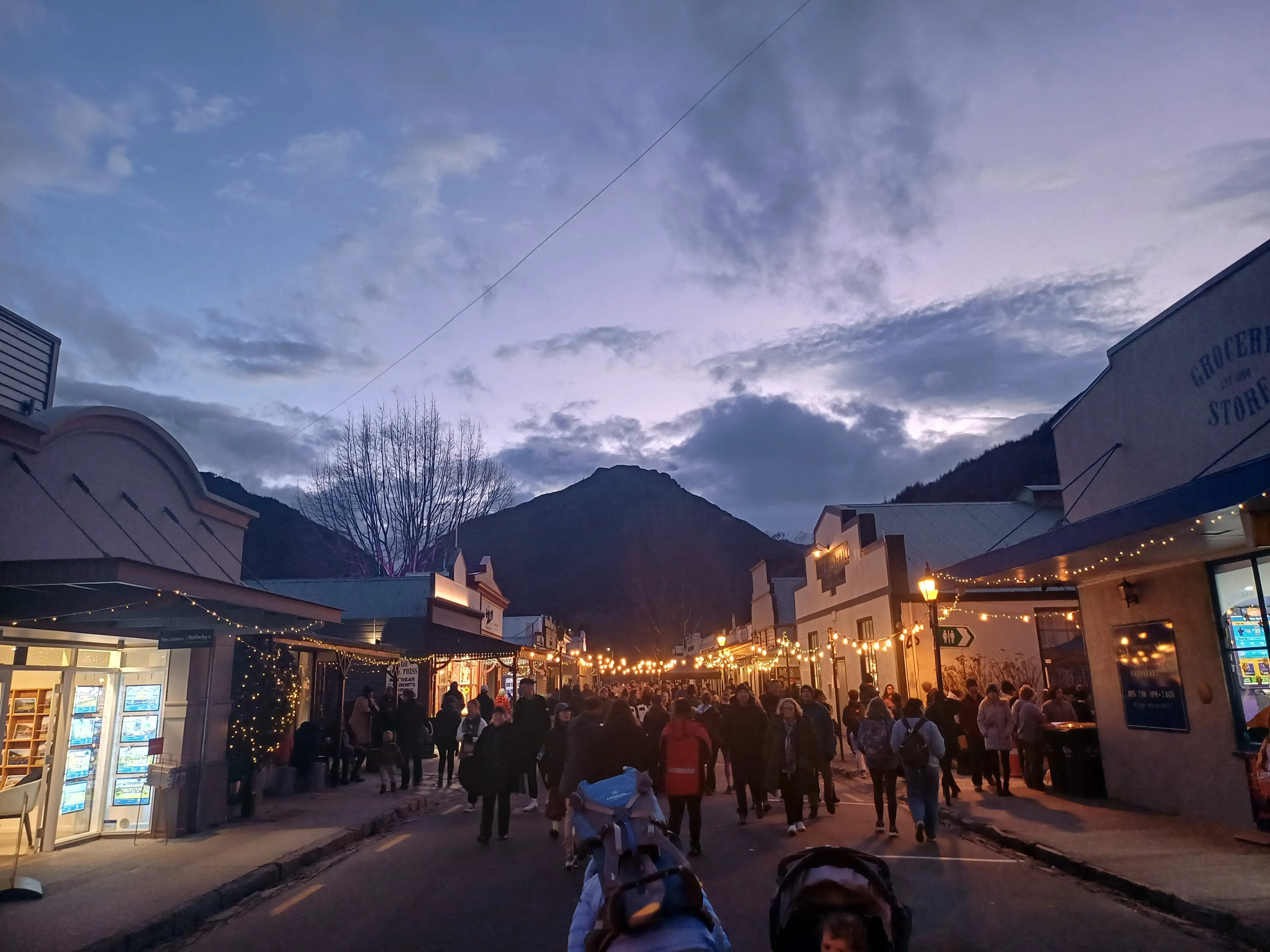
Smaller centres, such as Arrowtown, rely on local planning provisions to maintain scale, heritage character and sense of place.
A single regional spatial plan covering all of Otago may struggle to reflect these fine-grained differences within a compressed development timeframe.
But won’t this enable growth and progress?
There is no doubt development and infrastructure delivery may become faster under the new system.
However, speed alone is not a measure of good planning.
Tourism-driven regions such as Queenstown Lakes and Central Otago depend heavily on environmental quality, landscape identity and sense of place. These values are not obstacles to economic growth — they are its foundation.
The "100% Pure New Zealand" brand is built on the very attributes that risk being weakened by a one-size-fits-all planning approach.
Statements suggesting that Central Otago is "largely empty" overlook the fact that open landscapes, low-density settlement patterns and visual openness are precisely what many residents and visitors value most.
Why this matters
New Zealand has spent decades developing planning systems that balance private development rights with community wellbeing and environmental stewardship.
That balance is imperfect, but it reflects an important democratic principle: people should retain a meaningful role in shaping the places they live in.
Reducing that role may simplify administration, but it also weakens accountability and local ownership of outcomes.
Once these participatory mechanisms are removed, they are difficult to restore.
Submissions on the proposed legislation close on February 13 at 4.30pm.
Regardless of political position, this is an opportunity for New Zealanders to read the proposals, understand their implications and make informed submissions about what kind of planning system we want for the future.
• Hugh Forsyth is a Dunedin-based registered landscape architect. His recent work includes housing development and large-scale quarry/landfill projects in Otago and Canterbury.