
PHOTO
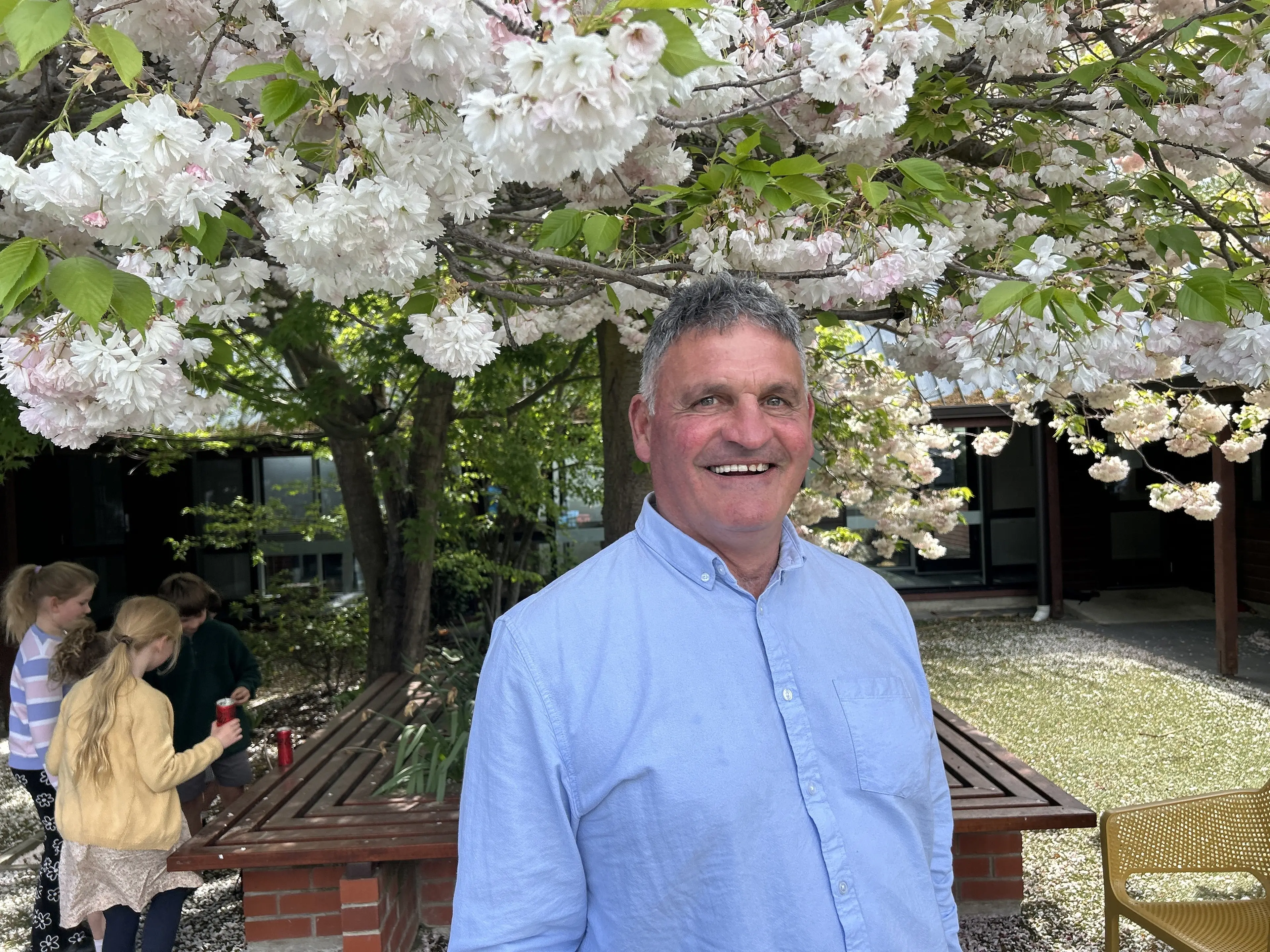
One mayor, one vote has been chosen by a small district council as their preferred voting system for the Otago region but it is not ideal, the mayor says.
A proposal to simplify local government has given councils two options for voting systems for when they operate as a combined territorial body representing the Otago region.
The first, ‘‘one mayor, one vote’’ suggests the mayors of all five councils get one vote each and the second model, ‘‘pure population’’ bases the mayor’s voting power on their district or city’s population density.
The Central Otago District Council decided at its meeting last week it would submit one mayor, one vote as its preferred voting system.
Mayor Tamah Alley said neither option accounted for the variation in population density across Otago but one mayor, one vote would benefit her district the most.
It would allow for smaller councils to have fairer representation at the table.
The pure population option would mean larger centres like Dunedin would be able to out-vote the smaller councils.
Mrs Alley said the mayors in Otago were all very collegial with each other and would operate well together.
She was not going to suggest any changes to the options in the council’s submission but there was not an ideal option at present, she said.
‘‘I think there’s still a lot to be worked through before we know what any outcomes might look like.’’
Cr Stu Duncan asked for a third option when the council was presented with the systems at a meeting last week.
Neither option was ideal but ‘‘you’ve got to start somewhere,’’ Cr Duncan said.
In his mind, the council had to go with one mayor, one vote because it covered a big area of land that was not represented by population number.
Cr Duncan said even though the council had a small ratepayer base, it was an ‘‘economic powerhouse’’.
‘‘You wouldn’t have a port of Otago if it wasn’t for the infrastructure and the produce leaving the farms and the orchards of Central Otago.’’
Nonetheless, the proposal for simplifying local government was frustrating because it created more work for councillors.
He said he was not sure if the government completely understood what its plan was.
‘‘It feels a bit like the government are building the plane and trying to fly it at the same time.’’