
PHOTO
It had all the hallmarks of a Hollywood blockbuster.
A ferocious piece of drama took place when a biblical wind hit the South and caused damage as far as the eye could see.
Buildings were wrecked and trees blown over by the tens of thousands. Power poles and lines fell across the region.
But it the most astonishing thing about this big wind which hit the South six months ago — no-one was badly injured or died.
There was a moderate injury resulting from a vehicle accident near Milton and a van was crushed by a falling tree in Invercargill, but the driver got out with barely a scratch. The damage was bricks and mortar rather than bones and limbs.
Was it sheer luck or great work by authorities?
No-one can answer that, but it was a heck of a storm.
Going by insurance claims, and there were more than 10,000, it was the biggest storm of the year.
Insurer FMG said it had now settled about 80% of the 5000 claims lodged. It was continuing to work on the remaining claims.
FMG had paid out $32million in claims.
AMI, State and NZI had 5289 claims, but declined to provide the cost.
The big issue from the storm was power cuts and getting people reconnected.
Immediately after the storm, all 35 of PowerNet’s zone substations were offline. In South Otago, all but one of its 19 zone substations were out of action. Of the 78 connections, more than 80% of connections were off.
Crews increased from 25 to 70 as workers came from all over the country to help in Southland and South Otago.
Within a day, more than half of the disconnections were restored by PowerNet. Within 11 days it was down to 1600. By Christmas, the only disconnections left were ones people did not want reconnected.
Aurora Energy service delivery general manager Richard Starkey said at the peak of the storm more than 16,000 customers across Aurora Energy’s network were without power.
All customers were reconnected within three days. The event cost Aurora about $500,000.
PowerNet could not supply the cost of the event.
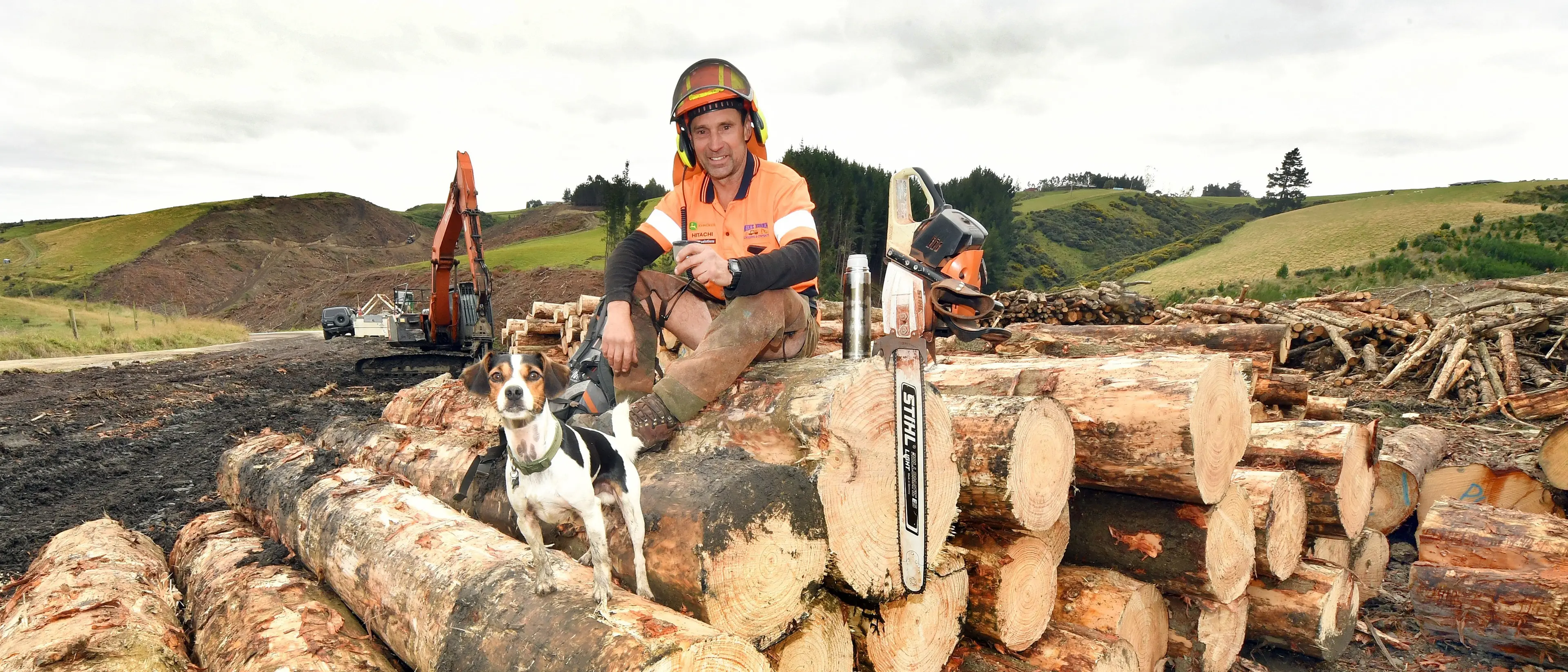
Mike Hurring has a logging and contracting business and it would be fair to say there is plenty of work, both now and in the future.
After the event, he had 120 farmers contact him, mainly in South Otago, to help clear trees. So far he has done 10. The rest would probably take another 18 months, he said.
"Luckily log prices have held up".
Mother Nature should never be underestimated, he said.
"I sat here in my office. I watched the river erupt and rows of trees blow down and the spouting ripped off my office. I could not believe it."
Federated Farmers Southland president Jason Herrick was across the Tasman when the wind arrived, but he could see his house being wrecked.
"I logged on to our cameras at home and watched the wind actually hit and destroy everything in its path at home."
Back home, he then went round the province and saw the destruction firsthand.
He said the first thing you learned as a farmer was you could not control the weather, you had to work with it.
Farmers had just simply rolled up their sleeves and got on with fixing the damage. He estimated there was 10%-20% of work left to be done.
The most important lesson was to have good resilience in farms when something like the wind arrived.
"Just making sure that you’ve got back-up plans to make sure you can keep functioning, especially around animal welfare. To make sure animals have got access to water and can be milked."
Biblical event
• Strongest wind in the South: 190kmh, South West Cape (Stewart Island)
• Strongest wind in Dunedin: 140kmh, Taiaroa Head
• Strongest wind in South Otago: 165kmh, Nugget Point
• Strongest wind in Invercargill: 137kmh
• Power cuts: Initially, 66,000 disconnections; day 3, 15,000; week after, 4000; 11 days, 1600.
• Insurance claims: More than 10,000
• Percentage of electrical cuts caused by falling trees: 95%