

In October last year the BSA, which considers complaints from members of the public who feel broadcasters have breached taste or fairness obligations, issued a provisional opinion that it also had jurisdiction over internet streamers.
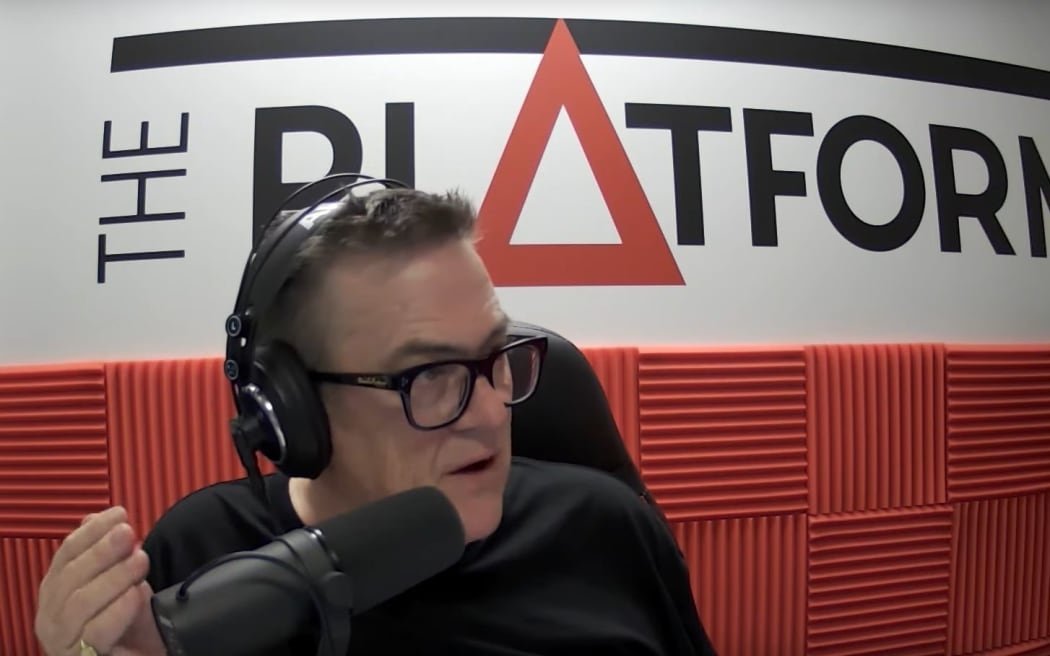
It made this controversial first step after it received a complaint about an opinion expressed on The Platform by host Sean Plunket that tikanga was “mumbo jumbo” .
There were two strands of opposition to the BSA’s actions.
Secondly, a live legal question remains to be settled as to whether issuing what ostensibly looks and sounds like a television or radio programme on the internet only, and not through conventional means of transmission, constitutes ‘‘broadcasting’’ as defined by law, or not.
The brouhaha occasioned by the first was then, and remains, premature.
The BSA has not yet ruled on whether what Mr Plunket said breached broadcasting standards — simply, that it could consider the complaint.
Should the BSA eventually find against Mr Plunket, depending on the grounds for doing so, then people might have cause for outrage.
Should it dismiss the complaint — an entirely possible outcome — then a lot of bluster will have been for nought. During his broadcasting career Mr Plunket has both had complaints upheld and dismissed by the authority.
It should also be remembered that freedom of expression is not the freedom to say absolutely anything. The freedom, like the others in the New Zealand Bill of Rights, can be curbed by reasonable limits as can be justified in a free and democratic society.
The second question, however, remains very much open for debate.
For a start, in late March the BSA released its final decision on jurisdiction, finding that the language of the Broadcasting Act was indeed wide enough for it to have the ability to consider the complaint against The Platform.
The BSA may well be right, or this could be a colossal exercise in overreach. This a complicated area of law and the decision will almost certainly be subject to an application for judicial review.
Two questions are open to be settled: if the BSA did indeed have the right to make this decision and, if so, if it was the correct decision.
There are enough layers in those two inquiries to keep the lawyers busy for years.
In the meantime, the BSA has added fuel to the fire by accepting two more complaints against Mr Plunket, who has refused to co-operate with the authority.
His combative nature made that response quite predictable, but he may well also be legally correct in his assertion that his business is none of the BSA’s business.
In the meantime New Zealand First and Act New Zealand, among others, have called for the BSA to be scrapped.
Media and Communications Minister Paul Goldsmith has said that a review of regulation of media standards and complaints is possible.
That is something which should have happened years ago, and is the one point upon which all parties can agree.
As BSA chief executive Stacey Wood has pointed out, this is something that the authority has called for for 20 years. Internet streaming has been around for two decades or more, and successive governments have avoided considering how, or if, it should be regulated, and if so by whom?
The complaint against The Platform — and the BSA has since accepted two more, by the same person — has, hopefully, finally prodded politicians into action on this issue.
It is well past time it was addressed.
The BSA could be scrapped, retained, or have its role redefined. All of those options are possible but whichever one the government plumps for it must not leave the vacuum which created this uncertainty in the first place unaddressed.


