
PHOTO
New Zealand’s Olympic medal tally reached new heights at the weekend as the country’s athletes continued to prove they can foot it with the best in the world.
Sports author, journalist and historian Ron Palenski said the Rio Games, which finish today, were something special for New Zealand, with a record 18 medals, as of last night.
High Performance Sport New Zealand set a target of 14 medals but that was eclipsed on Friday.
On Saturday, teenage pole vaulter Eliza McCartney added to the tally by surprising many with her bronze medal performance.
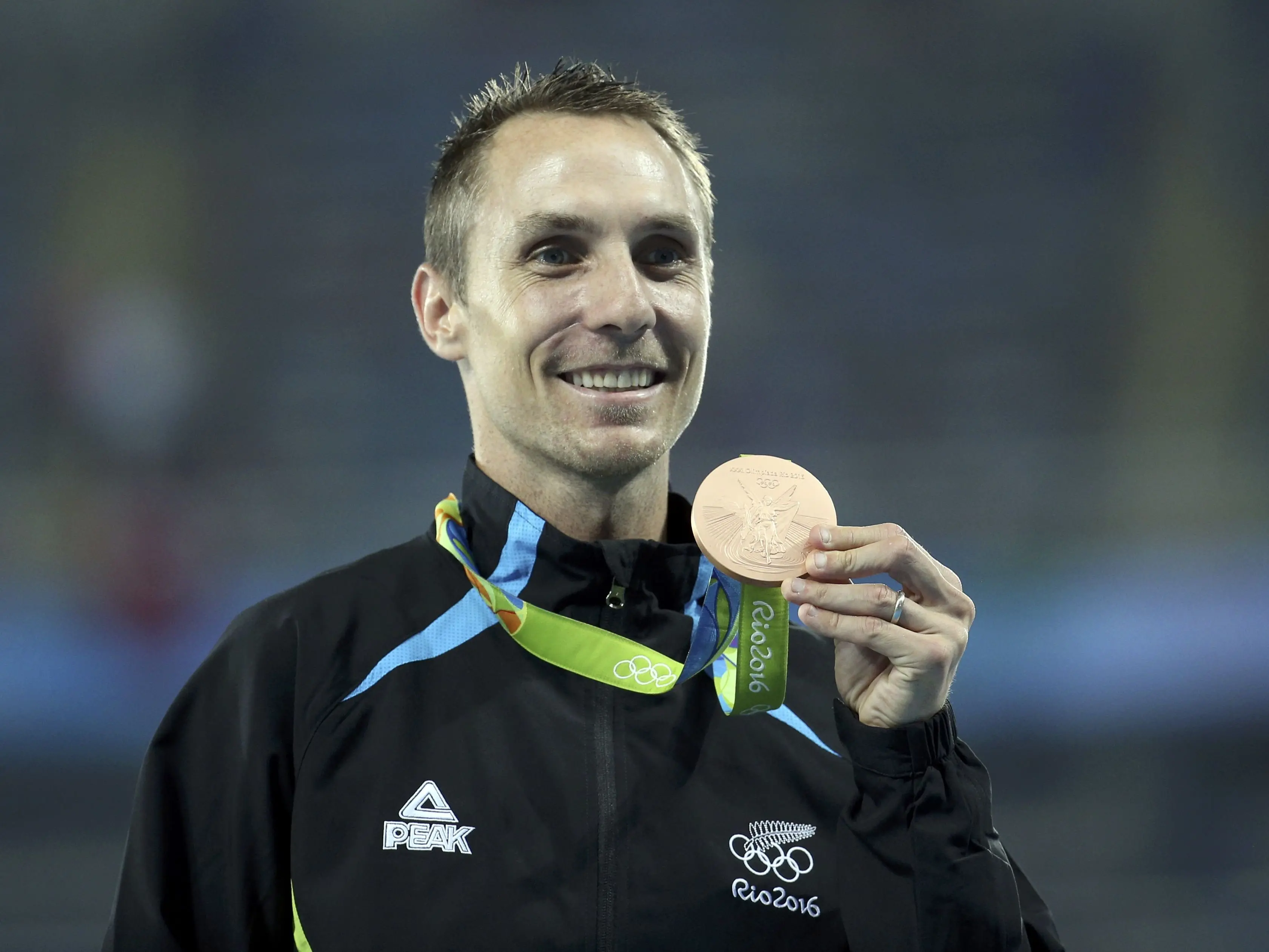
Yesterday, golfer Lydia Ko produced a birdie putt on the final hole to claim silver while veteran runner Nick Willis took bronze in the 1500m to go alongside the silver he won at Beijing in 2008.
Mr Palenski, who is also chief executive of the New Zealand Sports Hall of Fame in Dunedin, said the record medal haul — the previous best was 13 — meant a good Olympics for New Zealand.
"You’ve got to put it in context. There are that many more events now than in any other Games, so it’s probably a natural progression you’re going to end up getting more.
"But you’ve also got to remember we’re a country of four million on the bum of the world competing against the best in the world, and countries with much, much bigger populations than ours."
High Performance Sport New Zealand spent about $170 million on its Olympic athletes, with cycling and rowing attracting the largest funding.
Plenty of money went to aquatics and equestrian, teams that will come home empty handed.
But that, Mr Palenski said, was the way of sport.
"You can’t buy gold medals.
"You’ve just got to make sure that you’re in there with a chance."
There were experienced people making decisions on that spending, based on previous performances in world championships, world cups and Commonwealth Games.
"That’s why cycling and rowing got the most money.
"If you don’t invest in these athletes, or in these sports, you’re never ever going to get a medal.
"So there’s a risk, obviously."
Mr Palenski was "pleasantly surprised" by Nick Willis’ good tactical finish to take bronze.
Of rowers Hamish Bond, Eric Murray and Mahe Drysdale, and kayaker Lisa Carrington, Mr Palenski said they were expected to do well "and they did do well".
"They had all the pressure on them to win and they came through."