
PHOTO
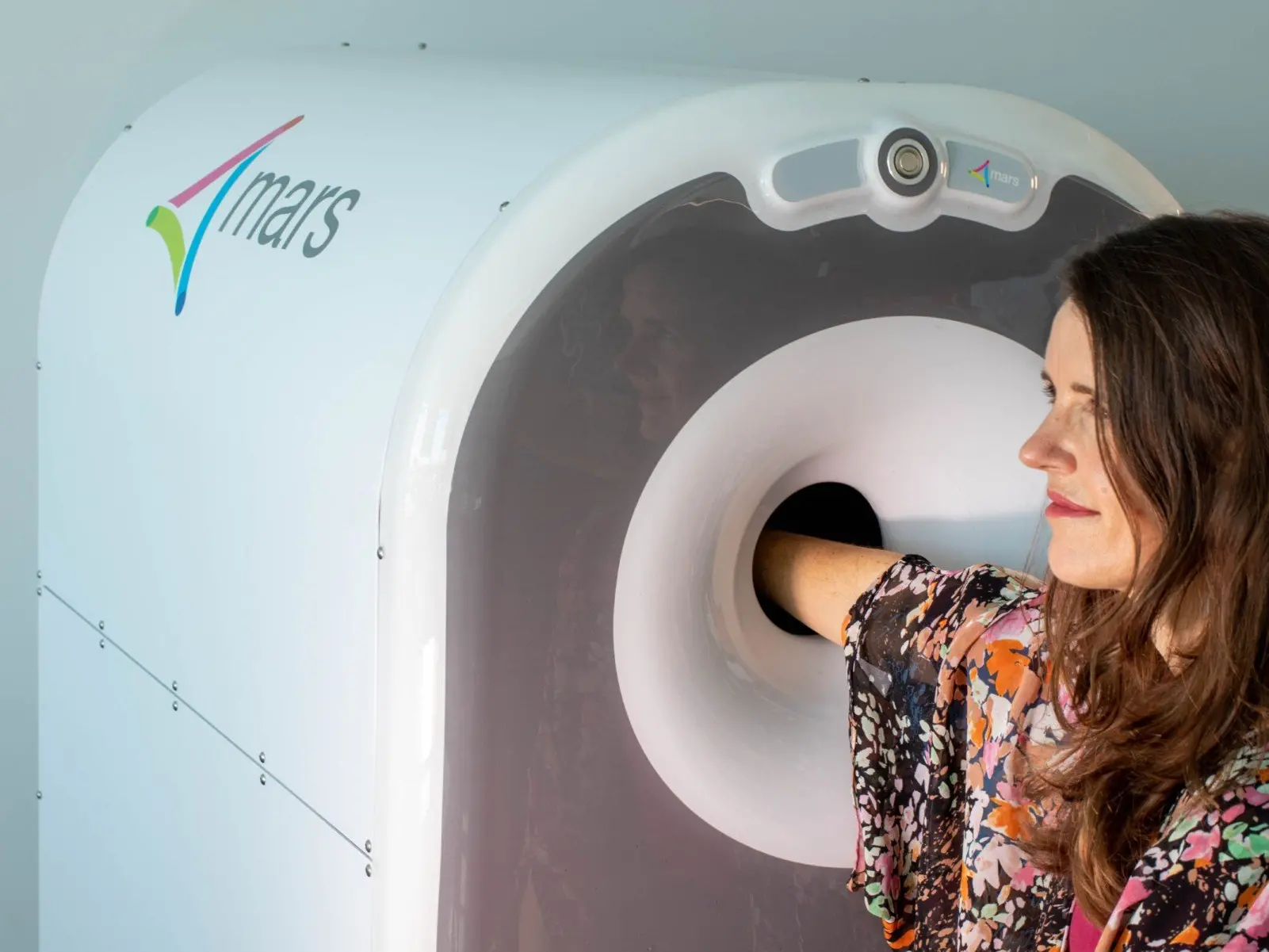
A big market has opened up after the United States Food and Drug Administration approved the portable photo-counting computed tomography (CT) scanner developed by Christchurch medical device company MARS Bioimaging.
Official clearance unlocks the spectral molecular imaging scanners being able to enter US medical centres and clinics for producing three-dimensional colour X-rays initially for diagnosing hand to shoulder complaints.
This is the first CT imaging system developed in New Zealand to be cleared by the big agency.
A capital raise target was exceeded last January with an oversubscribed $15million topped up in a second round to put its colour CT scanners into medical clinics.
The main focus for the new capital is to commercialise the technology into clinical and non-clinical markets, and accelerate sales.
The scanners produce high-resolution 3D X-ray images visualising soft tissue, bone, blood vessels and metal implants.
Chairman Chris Stoelhorst said the milestone would expand patient and clinic access to photon-counting CT imaging.
‘‘With FDA clearance, we can now scale clinical adoption of our scanners in the US, the world’s largest CT market,’’ he said in a statement.
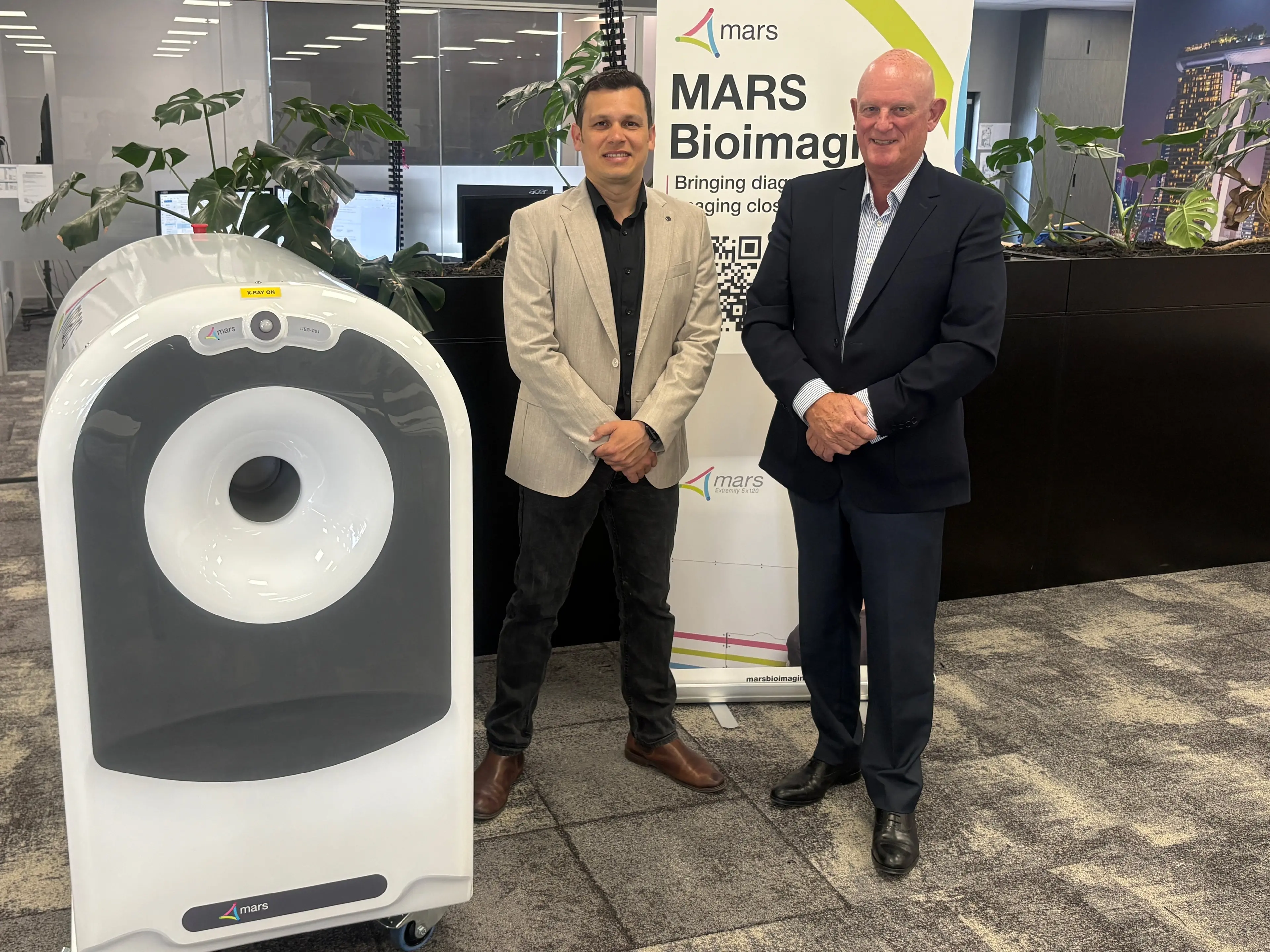
Non-clinical scanners are already being sold to hospitals, universities, bio-engineering companies and laboratories in the US, United Arab Emirates, Canada, China, Hong Kong, and New Zealand.
The company hopes to generate sales of clinical scanners in medical centres and the likes of wrist clinics.
In the US, compact scanners are expected to be sought after as primary and diagnostic care is being pushed to periphery clinics while hospitals concentrate on treatment.
Chief operating officer Mark Figgitt said the clearance validated the safety and effectiveness of the portable scanner.
He said the technology was purpose-built for community services including clinical offices, sports medicine clinics and ambulatory service units.
‘‘It is designed for clinicians to use across the diagnostic pathway, including pre-and-post surgical planning, assessment of fracture healing, and identification of implant-related complications.’’
The scanner uses photon-counting detector Medipix3 technology developed initially at the European Laboratory for Particle Physics (Cern) with MARS holding the exclusive licence to commercialise it for medical imaging.
Among 12 shareholders of the Christchurch company is New York investor Hospital for Special Surgery.
MARS chief executive Dr Ojas Mahapatra said the FDA decision went beyond allowing the commercial rollout in the US as its validation supported regulatory pathways and market sales globally.