

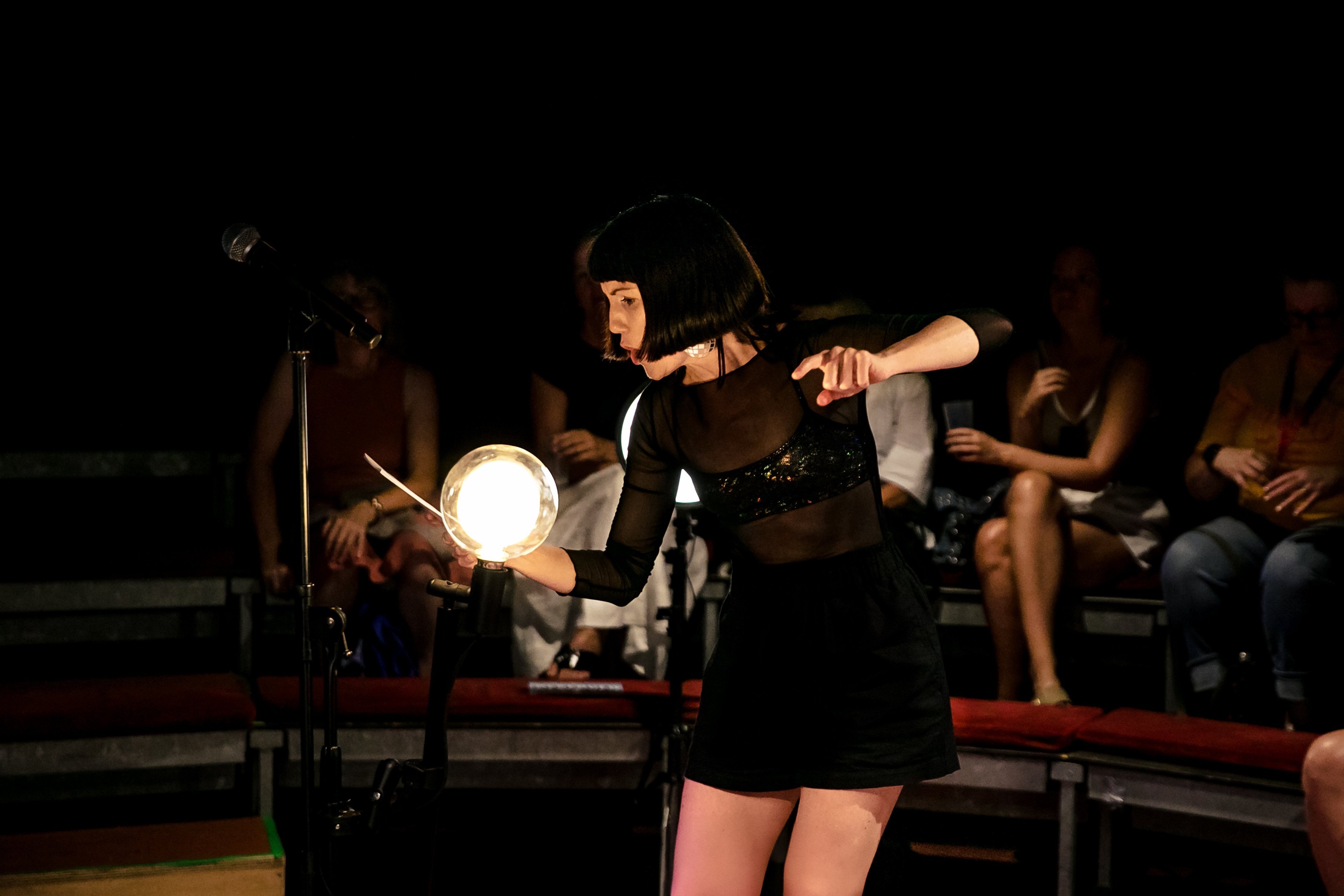
A meeting in Perth seven years ago changed Megan Dury’s life — personally and creatively.
Dury was performing at Perth’s Fringe World, as were North Yorkshire-based theatre duo Alexander Wright and Phil Grainger, whose Orpheus show won the Dunedin Fringe in 2019. They saw each other’s show and connected straight away.
"We just fell into a really brilliant creative and personal relationship, really," Dury says.
They discovered they shared an "inspiring and creatively fulfilling and synonymous way of looking at art and looking at the world and at stories and at why stories are needed in our society and culture".
Since Dury and Wright first met they have never stopped "being together and finding each other around the world", she says.
Soon Dury, who also does dramaturgy, was working with the duo on The Gods, The Gods, The Gods as they wanted to reshape the show.
"So through [Covid] lockdown, I did dramaturgy on that version of The Gods and we tweaked it and adapted it into a slightly new version, which is what came out into the world post-pandemic."
As Dury also acts, it made sense for her to step into the role of third performer in the show, which toured New Zealand, including Wānaka’s Festival of Colour, in 2023.
"So I was lucky enough to be part of that production since then, really whenever I can."
Dury travelled between England and Australia for a few years until 2022, when she made the leap to move there. Dury and Wright live in a village just 15 minutes from where he grew up and 10 minutes down the road from where Grainger lives.
"It’s a huge adjustment. Not only moving from Australia to the UK, but moving from Sydney to countryside North Yorkshire has been a huge adjustment; it takes a long time. It’s a big privilege that I’ve been able to do that, but it takes a while to settle and to find your way."
Dury admits to "pining" for the sounds of the bush and the climate in Australia, as well as friends and family but they are developing a love for the English countryside as well.
Taking some time out last year, Dury immersed herself in the natural environment around where they live, learning to forage and make elderflower cordial, elderberry syrup and wild garlic pesto from the plants that grow on the riverbed near her home.
"And it really helped me connect myself to the area over there. I now know how to drive around parts of it without a map. I’m feeling a lot more settled there now than I would have been a couple of years ago. It’s a pretty special place to be exploring."
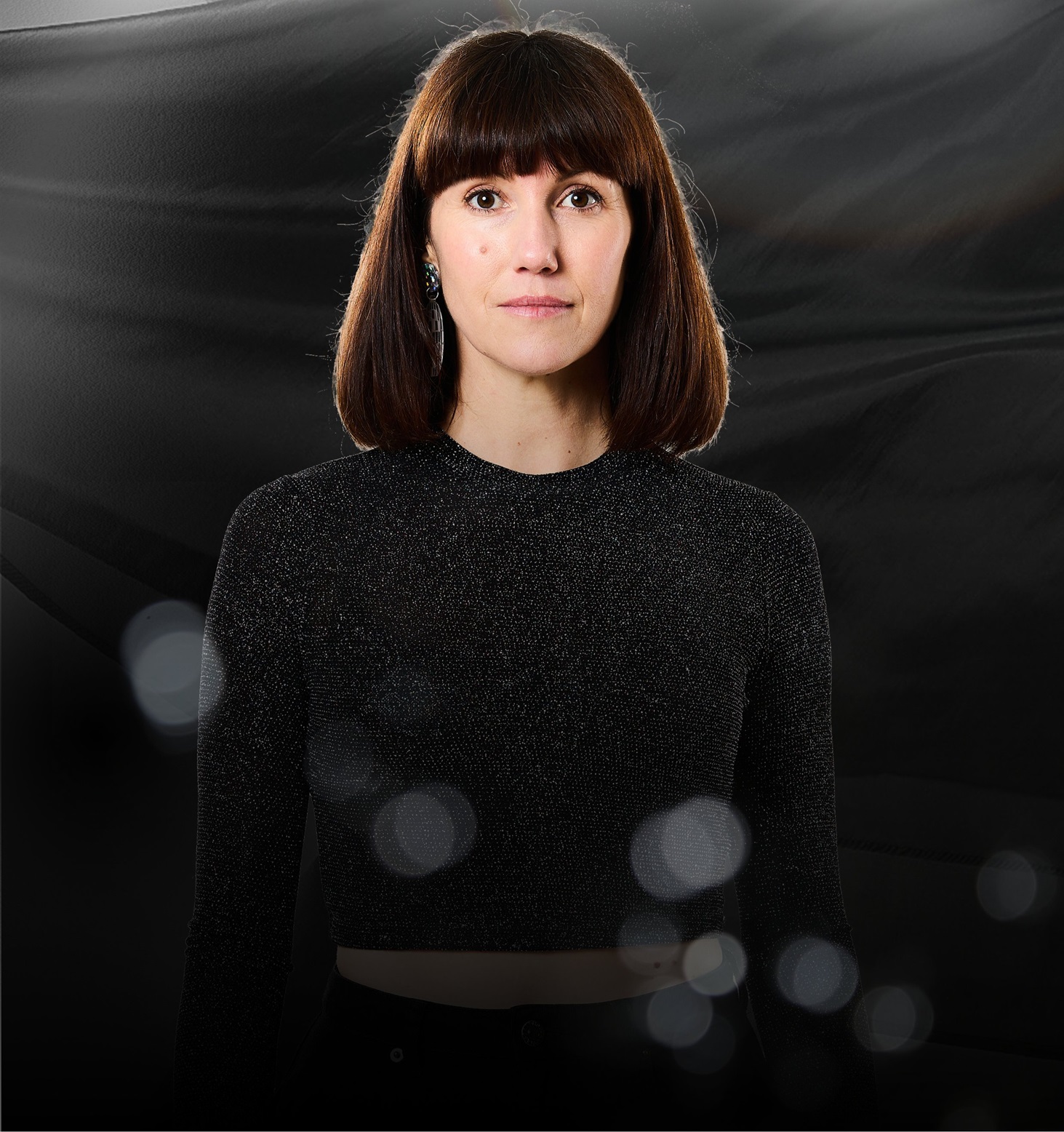
Helios is the story about the son of the god of the sun, while Selene is about the child of the goddess of the moon.
"It’s a little more of a beautiful unravelling of the mythology around the moon."
They had Dury in mind when they wrote the show to make it with them and tell it out on the road.
"So I feel deeply privileged to have a show essentially written for me and then to be an integral part of the making process as well. They’re a beautiful team to collaborate with."
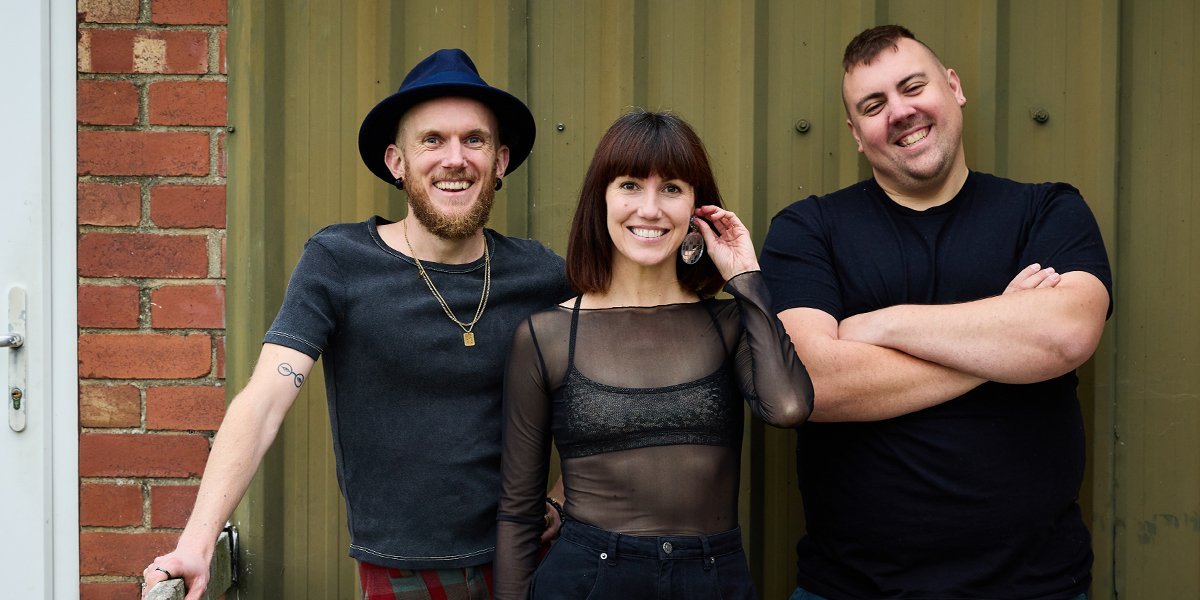
So late last year the trio did a development process in North Yorkshire.
"Now it’s out in the world and it feels lovely."
It has had a couple of showings for test audiences in Yorkshire before they travelled to Perth’s Fringe World earlier this year.
"What I love about Wright and Grainger is even when we landed in Perth we were still in the midst of tweaking the script, changing the music, trying on one thing one night, going ‘OK great, we’ve tried that and got a sense of what that is — let’s try this version tonight’.
"It feels really amazing to do that live with people in the room. Actually, it’s the only way the show can really discover itself — by sharing it with people."
While that process of putting it in front of an audience can be quite nerve-racking, Dury soon found that although they did not have it in its final form, the refinements were getting smaller and the audience was integral to the piece evolving.
"It’s just trusting that this kind of theatre, this kind of sharing, can hold that. Because all we are doing is being honest with where we’re at and the story we’re telling and hopefully bringing the audience along with us."
It is the type of performance Dury has realised fills them up and excites them. But finding it has not been without challenges.
Dury first started performing as a young child, following her older sisters into dance and doing ballet and jazz. Then Dury went to schools with a strong arts and performance focus. At one school Dury found her place in the Little Theatre Group.
"It was really there that was the foundational time for me where I discovered that there was something I connected with about engaging with plays and stories and storytelling."
At high school, Dury had a great teacher, who, along with her dance teacher, encouraged her to audition for a performing arts school in Sydney. Dury got in and finished her schooling in Sydney.
Dury chose to stay in Sydney, working in theatre, film and television and doing the odd job in Melbourne, Perth or elsewhere.
Now in her mid-40s, Dury feels like she is coming into her own around how she navigates the industry.
"I don’t feel as at the mercy of the industry as I used to. I feel like I’ve managed to, as an artist, really start to find my way through the kind of work I’m deeply inspired by, what I really want to be exploring as an artist, not just as an actor, as an artist who is interested in creating and making work that is vital to who we are and what we need at the moment."
Dury describes herself as a little bit of a theatrical punk and has only just allowed herself to admit recently that the immediacy of live performance is what really excites her, despite the push in the industry to get into screen, because as an actor "that is where the acknowledgement is, that’s where the money is, all of that stuff".
"I’m a major film buff. That’s a big part of how I appreciate art. I look forward maybe to a time in the future when I feel like I want to come back to screen."
While also acknowledging traditional theatre has its place and is a beautiful form of art, for herself as an artist Dury had begun to seek out more.
"Over the last half a decade to a decade, I’ve been finding what those other things are, and it really fills me up and excites me."
Dury finds the immediacy of the exchange with an audience in theatre and the sharing of the moment is what makes it feel alive.
"With a live audience you’re there with them and there is an exchange taking place. Even in traditional theatre there’s an energetic exchange that’s taking place. You can hear people’s responses to things and you can respond in kind and in certain instances."
This is especially the case with Selene, as it is performed in the round, like Helios, which Dury loves. It is also her first time "inhabiting the story" rather than standing and speaking to the audience telling the story.
"As a storyteller you are channelling the qualities and experience of usually the main person you’re telling a story about. However, you’re also observing from a distance. You’re also getting to comment on what that person is going through or what the environment is offering them as a distant observer."
The audience is also invited to read parts if they want to, so the audience and Dury become collective storytellers throughout the process of the show.
"That just feels extraordinary. One of my favourite things is just connecting with people."
To see
Selene, Aspiring Conversations, March 28, 6pm and 8.30pm, Lake Wānaka Centre; Te Atamira, Queenstown, March 29; and Regent Theatre, Dunedin, March 31.


