
PHOTO
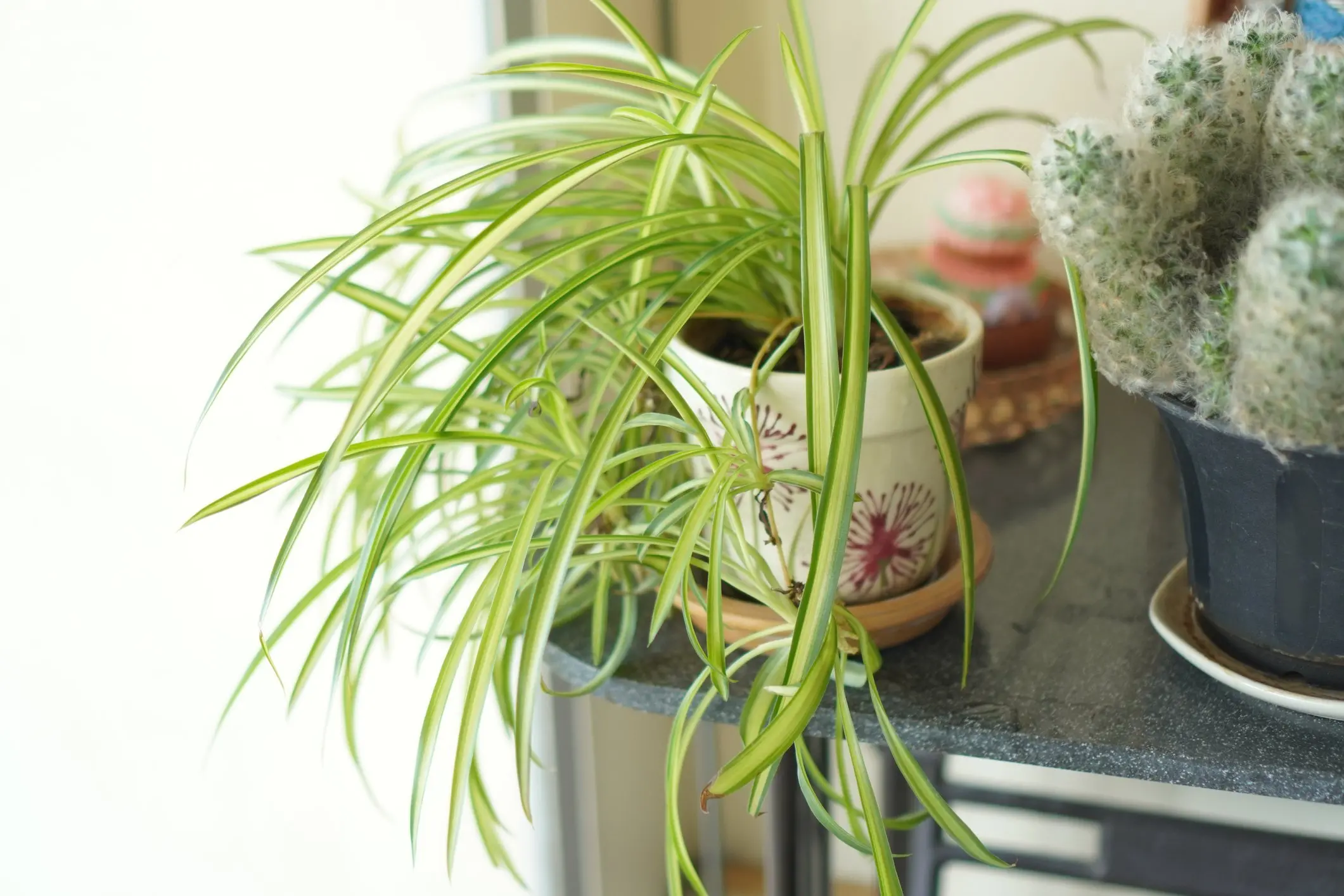
In the world of indoor gardening, where sculptural succulents and trendy aroids often dominate, the spider plant (Chlorophytum comosum) remains a quietly loyal friend. Unassuming yet reliable, this plant isn’t just decorative — it has demonstrated real potential to improve air quality in a practical, low-maintenance way.
Take a recent study published in May 2025 by Jitendra Rajak and colleagues in the International Journal of Advanced Research. Conducted in real college campus rooms, it measured indoor levels of formaldehyde, benzene and total volatile organic compounds (TVOCs) before and after introducing Chlorophytum comosum. They found statistically significant reductions in all three pollutants in rooms with spider plants compared to control rooms without them. While the study emphasised plant density plays a key role, with more plants yielding greater reductions, it offered compelling evidence spider plants can meaningfully support healthier indoor spaces.
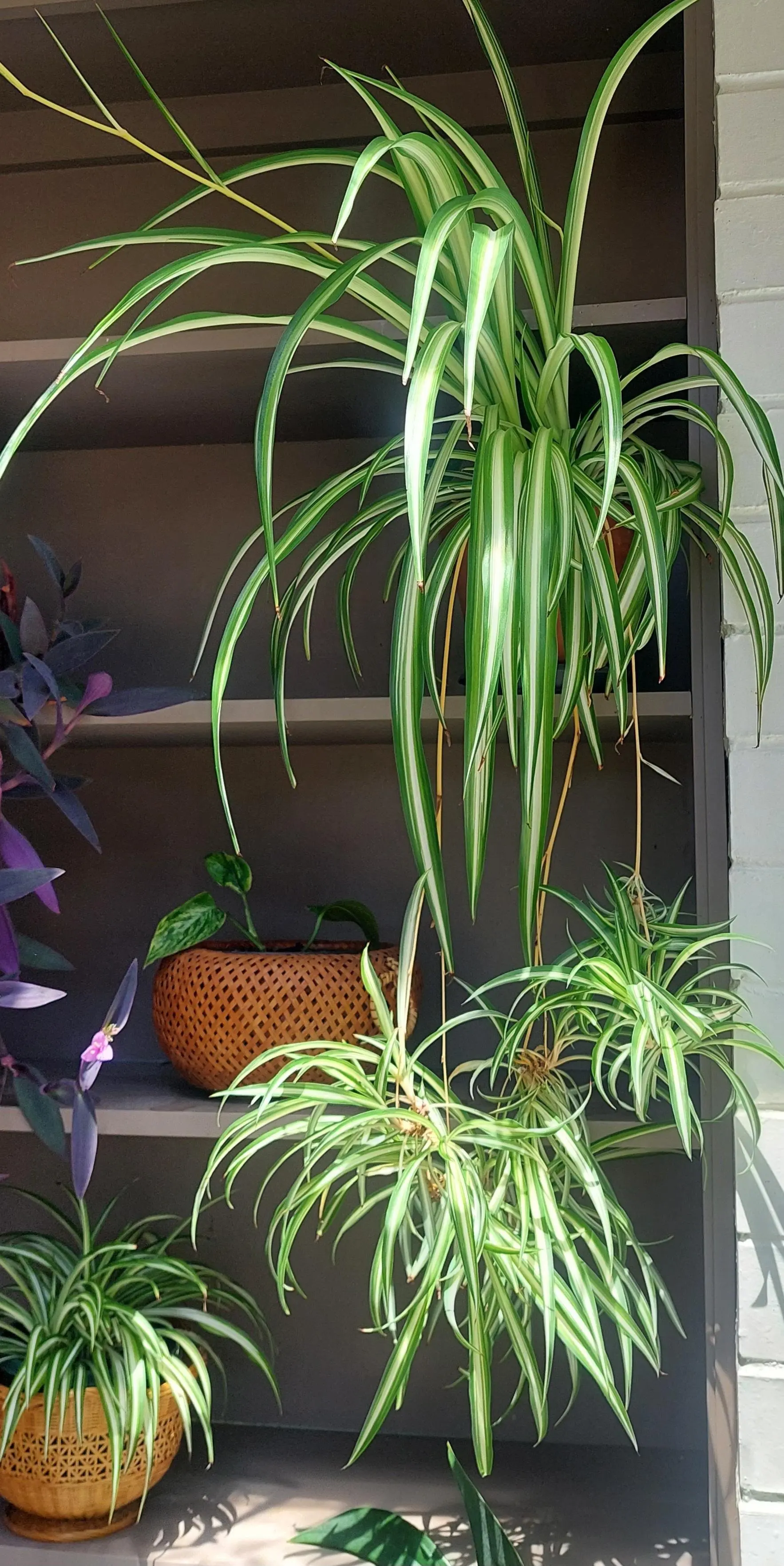
Part of the spider plant’s charm lies in its variety. The arching leaves of "Vittatum", with their creamy central stripes, bring brightness to any room. "Variegatum" reverses the colours for a more structured look, while the "Curly" or "Bonnie" offers a fun twist ideal for hanging baskets. Plain green cultivars, often overlooked, provide lush, vigorous growth for those wanting a simpler aesthetic.
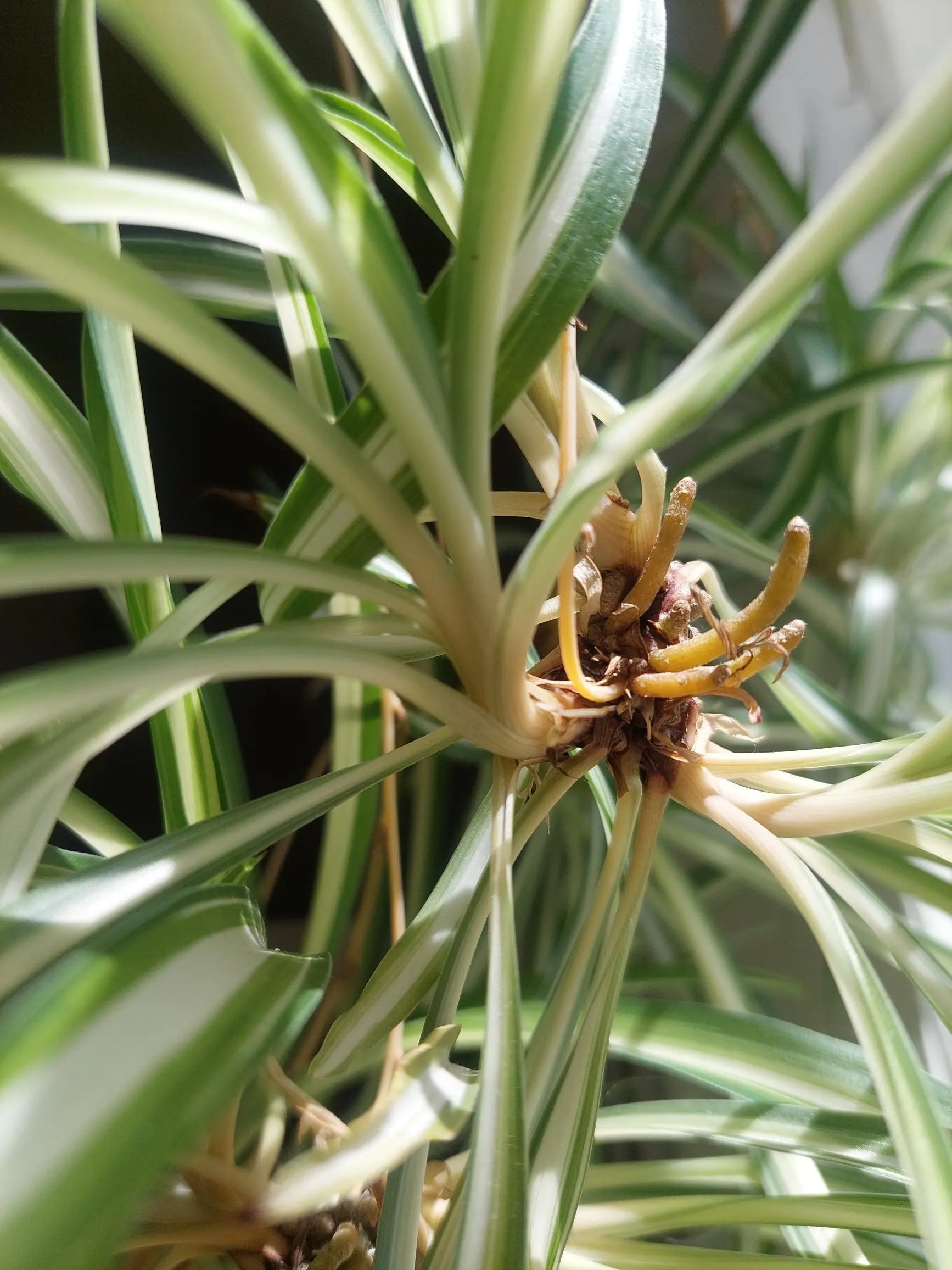
And here’s a cool fact: the common name “spider plant” comes from the plant’s own babies. As mature plants send out long flower spikes, they produce dangling plantlets whose tiny leaves and budding roots look like little spiders suspended on silk. These “pups” aren’t just cute, they’re also one of the easiest ways to propagate new plants. Simply pop them into soil, water and away they go. A fast and cheap way to share house plants with friends and family.
Caring for C. comosum is super uncomplicated. It thrives in bright, indirect light but adapts well to low-light conditions, making it suitable for offices, bedrooms and shaded living spaces. Its tuberous roots store water, which means it forgives occasional neglect far better than many on-trend houseplants. If the soil is allowed to dry slightly between waterings and the plant is kept away from cold drafts, it will continue to thrive for years.
The spider plant is also a reassuring choice for pet owners. Widely considered non-toxic to cats and dogs, it’s a safe houseplant to have around curious companions, although cats may still find its leaves irresistible to paw or nibble.
In a plant world often driven by fashion, with rare or fussy species in constant demand, the humble spider plant stands its ground as a dependable classic. Generous, resilient, and backed by modern research highlighting its air-improving potential, Chlorophytum comosum proves that beauty and usefulness don’t need to be complicated. It may not command the spotlight like some of its flashier counterparts, but perhaps it’s time to acknowledge this quiet green hero for what it truly is: one of the most underrated and rewarding indoor plants you can grow.