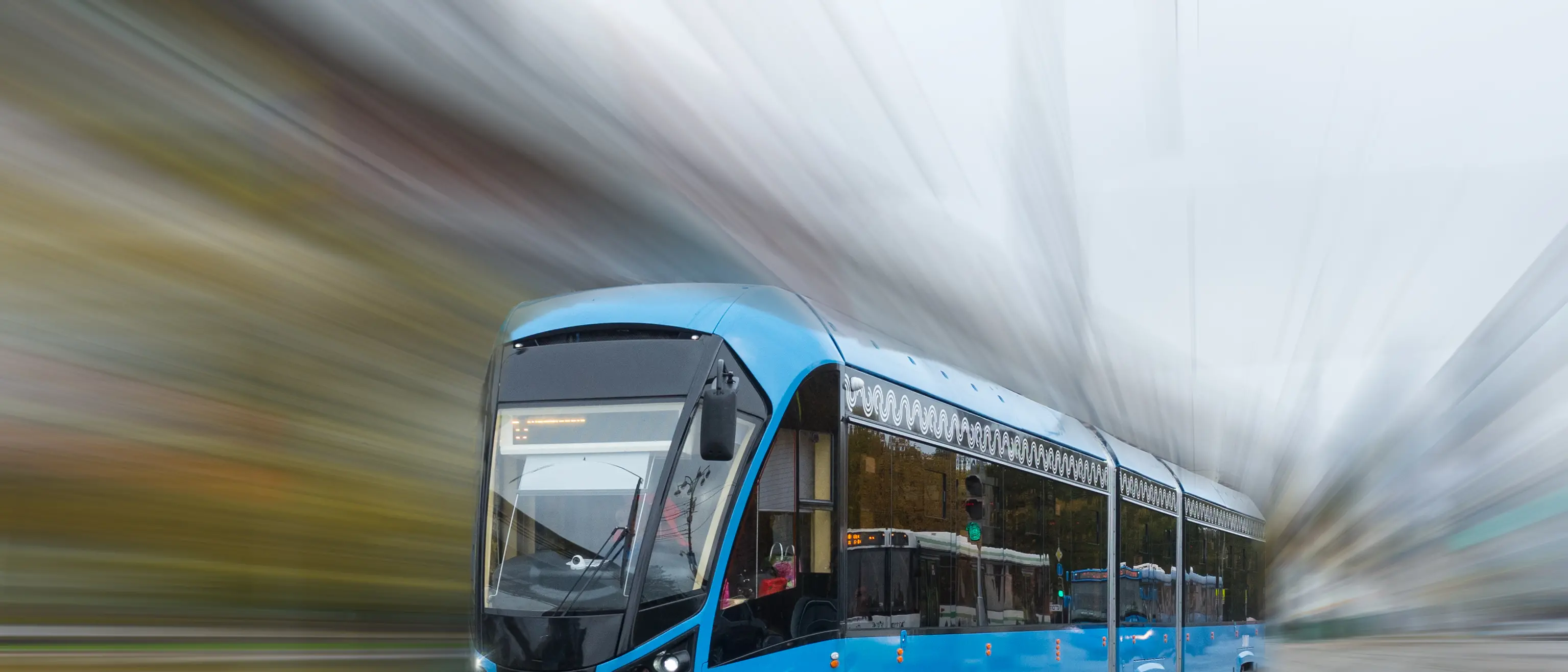
Photo: Getty ImagesBus views: Thoughts about the past, present and future of Dunedin's public transport system.
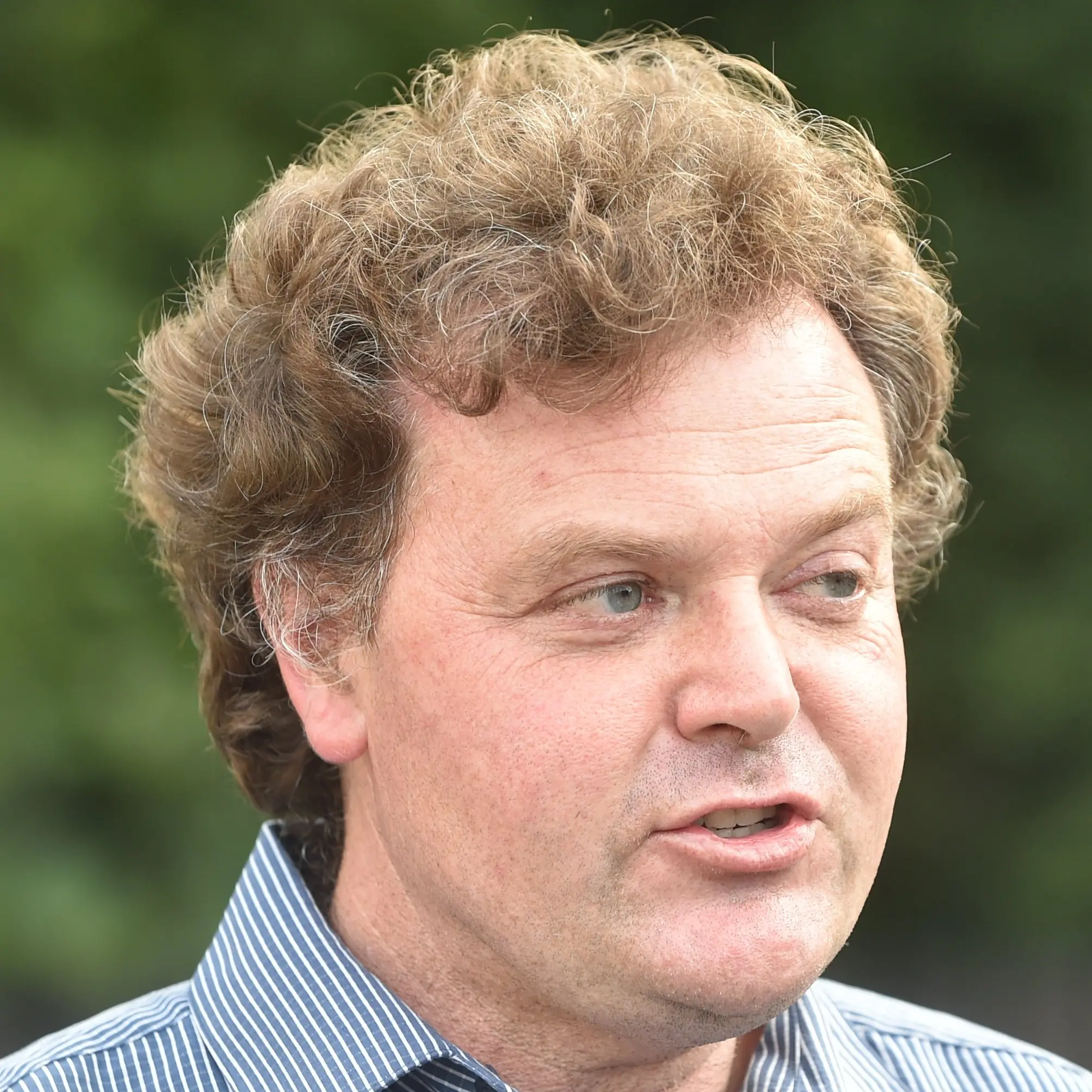
Andrew RobinsonTHE HISTORIAN: ANDREW ROBINSON, OPERATIONS MANAGER OF OTAGO HERITAGE BUS SOCIETY
"Proudfoot developed light- and heavy-rail urban transport at little cost to ratepayers and with low carbon emissions. The cable cars and electric trams were the best that money could buy, and again low-carbon. The rail network developed quickly and the double tracking, virtual elimination of level crossings, modern signalling system and locally built trains gave the city a system with great potential. The trolleybus system was efficient enough to take workers home for dinner and back to the city inside a lunch break. The city has continued to invest heavily in public transport but we seem less proud of the result and appear to be moving slower, in some cases on less-convenient services. We have lost some of the infrastructure that allowed Dunedin to innovate in the public transport arena and many significant investments have become worn out."
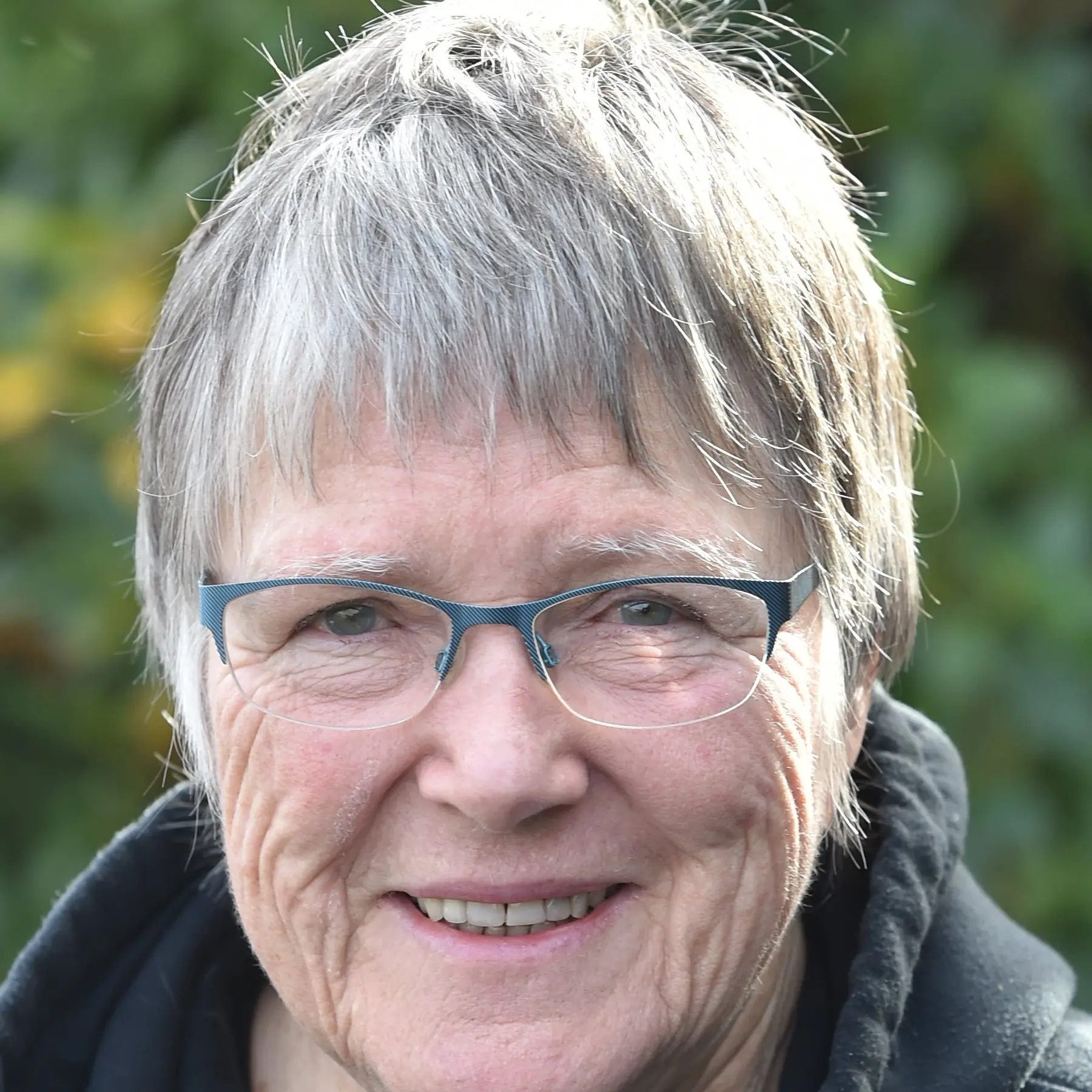
Lynley HoodTHE ADVOCATE: LYNLEY HOOD, FOUNDER AND TRUSTEE OF VISUAL IMPAIRMENT CHARITABLE TRUST AOTEAROA
"A major issue for Dunedin public transport users is the split between the Otago Regional Council (which is responsible for our bus service) and the Dunedin City Council (responsible for our roads and footpaths); while in real life walking along the footpath and crossing the road are essential components of any and every bus journey. No matter how good the vehicles or how convenient the timetable, if our bus stops are not well-served by high quality footpaths and safe crossing points our public transport service will never reach its full potential. I long for the day when the DCC has the legislative power to weigh motorists' demands for more space for cars, against the modest needs of our growing population of elderly and disabled bus users for safe footpaths, and safe and convenient crossing points, near every bus stop."
Michael DeakerTHE LOCAL POLITICIAN: MICHAEL DEAKER, DUNEDIN CONSTITUENCY MEMBER OF OTAGO REGIONAL COUNCIL
"I see, around 20 years out from now, a Dunedin public transport system which will be selling over 4million fares per year (compared with the 2.2million of today). We will be riding on 20-seater autonomous electric or hydrogen-fuelled buses. Our personal communicators will show us exactly where these vehicles are and which is the best one to take us to our destination. These quiet, warm, clean and comfortable buses will run every route every 15 minutes, and the loop up and down George and Princes Sts, in which there will be no other vehicles, except service trucks at night, will be at 10-minute frequencies. We will look back in bewilderment at the old days of diesel dinosaurs".
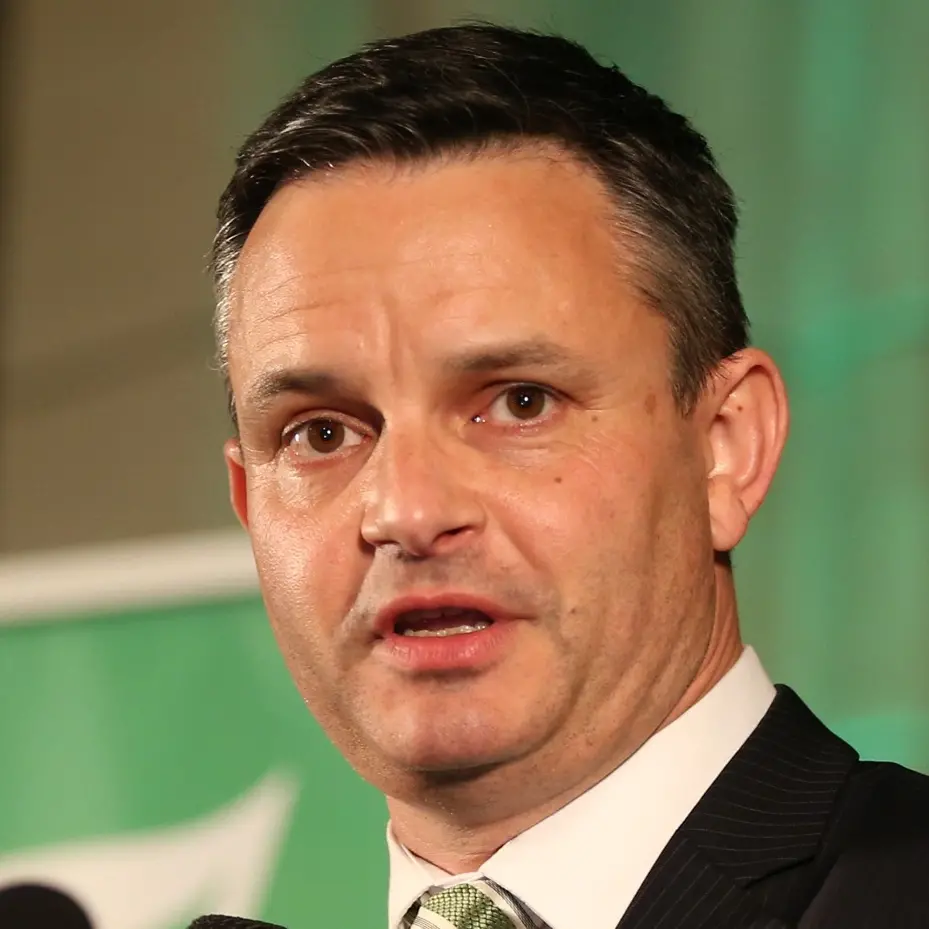
James ShawTHE PARLIAMENTARIAN: JAMES SHAW, GREEN PARTY CO-LEADER, MINISTER FOR CLIMATE CHANGE
"Urban transport and infrastructure ... will change and it is already changing. And one of the things I'm most excited about this government, is that we are moving to what we call `mode neutral transport planning' ... It basically means that every dollar that you spend you want to look at the best return on that dollar in terms of the efficiency and effectiveness of moving people and freight regardless of mode ... That automatically starts to move a lot of your transport spending into things like public transport, freight to rail, all that kind of thing. And that alleviates congestion on the roads and it lowers emissions."