
PHOTO
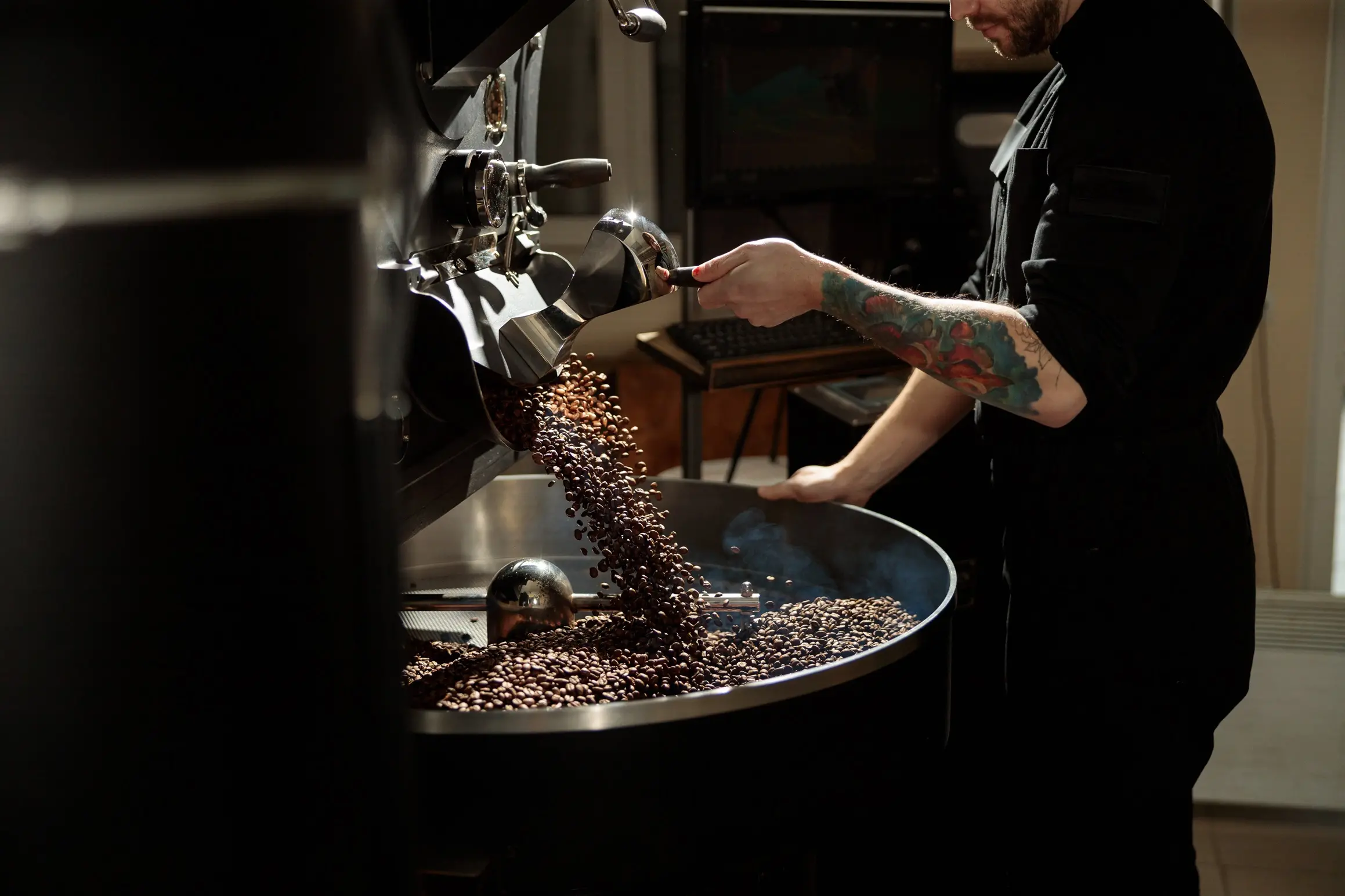
The rich, earthy smell of coffee figured prominently during Budget week. More than a comforting morning aroma, it was a much-needed stimulant through the long hours and late nights.
Coffee has become ubiquitous: the way we catch up with friends, the drink of choice for a business meeting, the fuel for an intense debate. It has also, quietly, become one of those foods made vulnerable by rising temperatures, erratic weather and the pests and diseases that come with a heating climate.
The challenge is much bigger than missing our morning shot. Many of the small growers in the tropical "Bean Belt" countries (Brazil, Vietnam, Colombia, Indonesia and Ethiopia) depend on coffee income to feed their families. Any drop in production hits hardest for those already on the bread line.
It gets worse. Coffee beans are typically roasted here in Aotearoa using fossil gas, adding to emissions and to the heating that turns up the pressure on those same small producers. But this is where we can make an immediate difference.
The electrification of fossil fuel machines is the basis of "The Machine Count", a report published by Rewiring Aotearoa. Of the 10 million fossil fuel machines in New Zealand, the report finds, "84% have readily available, cost-effective alternatives available in the country".
It doesn’t mention coffee roasters as far as I can tell, but I saw an electric roaster at the recent Carbon and Energy Professionals conference, and learnt that some roasting businesses are already making the switch.
Financing the switch is one of the main barriers these businesses face, along with so many other small businesses. This is where low-interest electrification loans would help.
Many banks already offer green loans, but there’s a role for government too: use the Crown balance sheet to underwrite low-interest loans for electrification and cut costs further for households and small and medium businesses, which are under enough pressure as it is.
We can’t expect households and small businesses to do all the heavy lifting while the government heads in the opposite direction. But governments change and opportunities open up.
Alongside low-interest loans, we need planning for deeper electrification of businesses, households, farms and industry, to build energy independence and resilience. Our local electricity distribution businesses, the lines companies, hold the key.
Most of us only deal with our lines company indirectly, through the network charges on our power bill or when we ring the 0800 number during an outage. But back in 2019 the Electricity Networks Association, which represents all the lines companies, published its "Network Transformation Roadmap".
It recognised that "Traditional production and use of electricity is changing. New affordable technologies are disrupting generation, use and consumer behaviour", driving real change in the sector while creating opportunities.
Despite that vision, most lines companies are still reaching for engineering solutions (more poles and wires) rather than working with households and businesses on "cost-reflective pricing" for the electrons that simply move around the local network.
Electrons from a home with solar and a battery, or from demand management like ripple-controlled hot water, or from an EV charging and discharging locally, don’t incur the same losses as electrons travelling long distances down the national transmission line.
With so many machines now economic to electrify, we could gain real flexibility and start sharing electrons, rather than staying passive consumers, once lines companies honour their commitment to support these distributed energy resources.
The more we electrify, the more democratic, decentralised and decarbonised our energy system becomes. With an abundance of solar, it’ll make sense to run the electric roaster through the middle of the day, when the cheapest local power is available.
We can solve the problem of fossil-fuelled coffee here in Aotearoa with government support. There’s more to do to back the small growers dealing with the pressures of production in a changing climate.
We can choose coffee certified Fair Trade, organic or Rainforest Alliance; have a coffee with a friend and talk about the opportunities in electrification; and support the organisations working to cut emissions.
In the meantime, let’s give power to the people, electrify caffeine and supercharge the transition to energy independence.
• Scott Willis is a Green Party List MP based in Ōtepoti/Dunedin. Each week in this column, writers address issues of sustainability.