

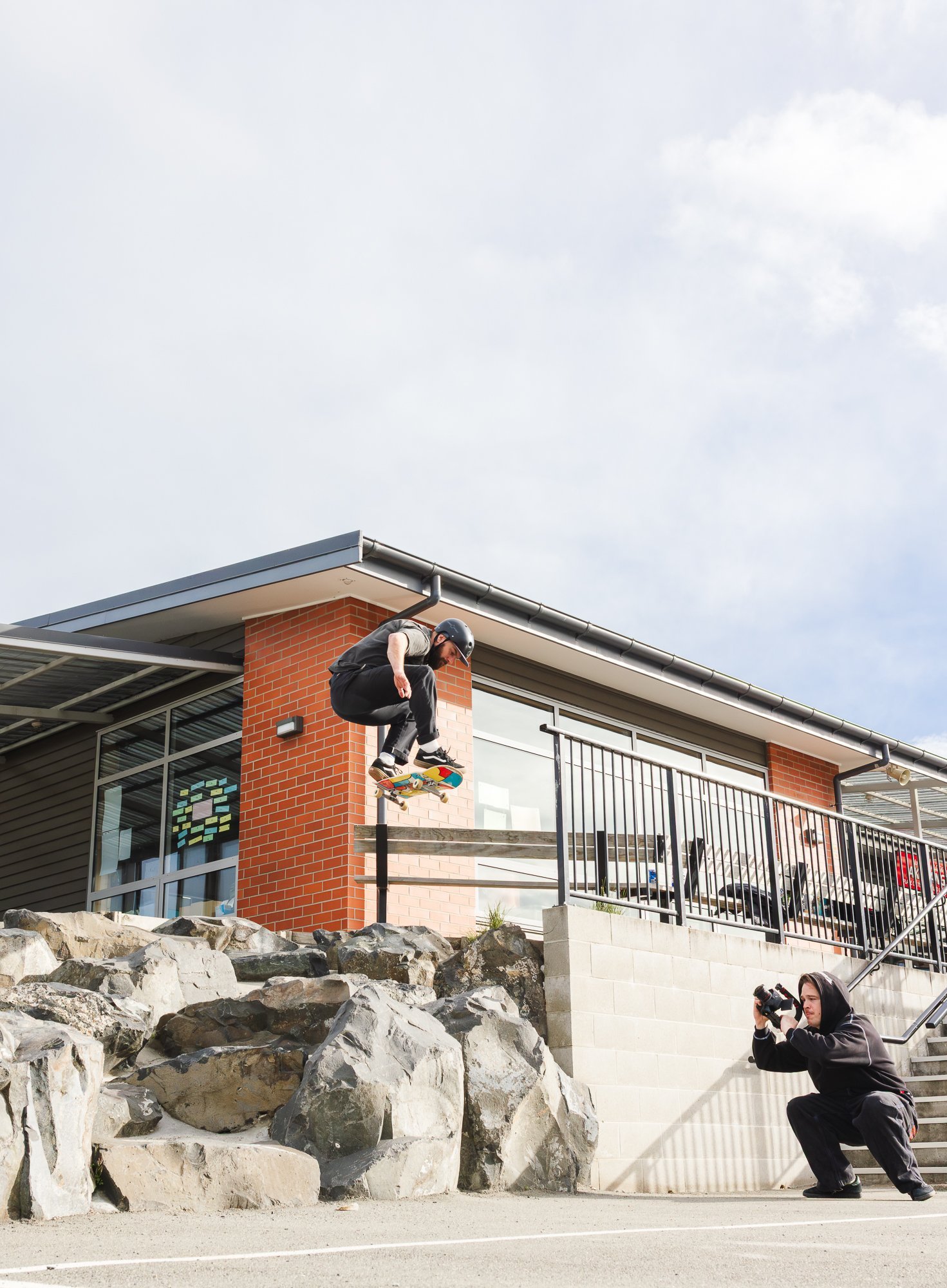
As a cameraman documenting Dunedin’s skateboarding scene, Elliot Chilton Phillips just stands, points his camera and "shuts the f... up".
He stays put until the skater lands their trick.
And if they don’t get it, he hypes them up to do it again until they say "that’s enough for today".
"You don’t encourage them to stop until they say they want to stop," he says.
"The last thing that person needs to hear is ‘are you sure?’ before they jump down 20 stairs."
Chilton Phillips says the Dunedin skating scene has a diverse demographic full of people from different backgrounds and of different ages.
He was a part of it until he stopped skating when he was about 20 years old.
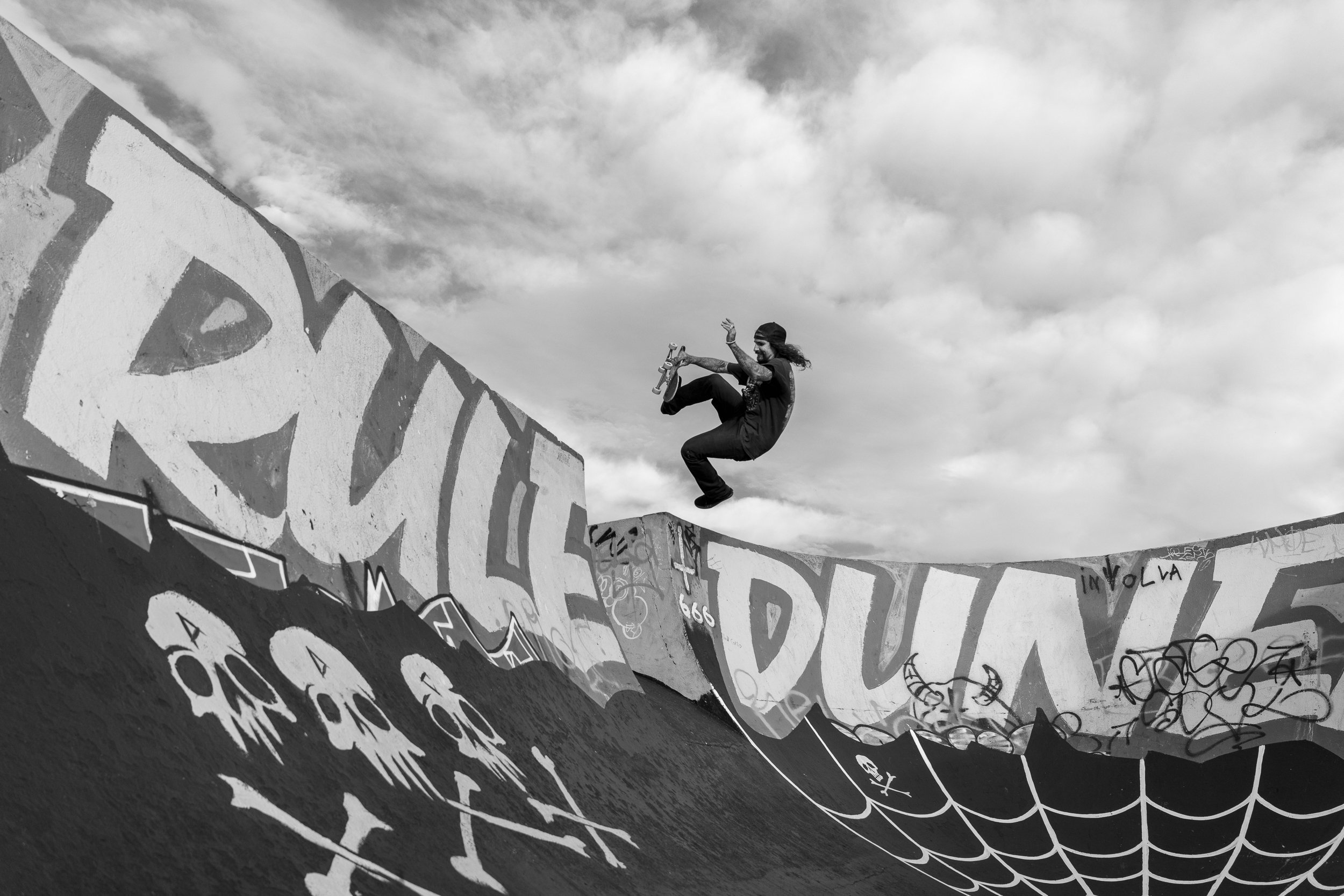
He quickly realised he could not keep up with Chapman and his friends, who were "ripping it".
"I very quickly realised that 29, 28 and 19 were very different [ages] and I couldn’t do a lot of the stuff I used to do."
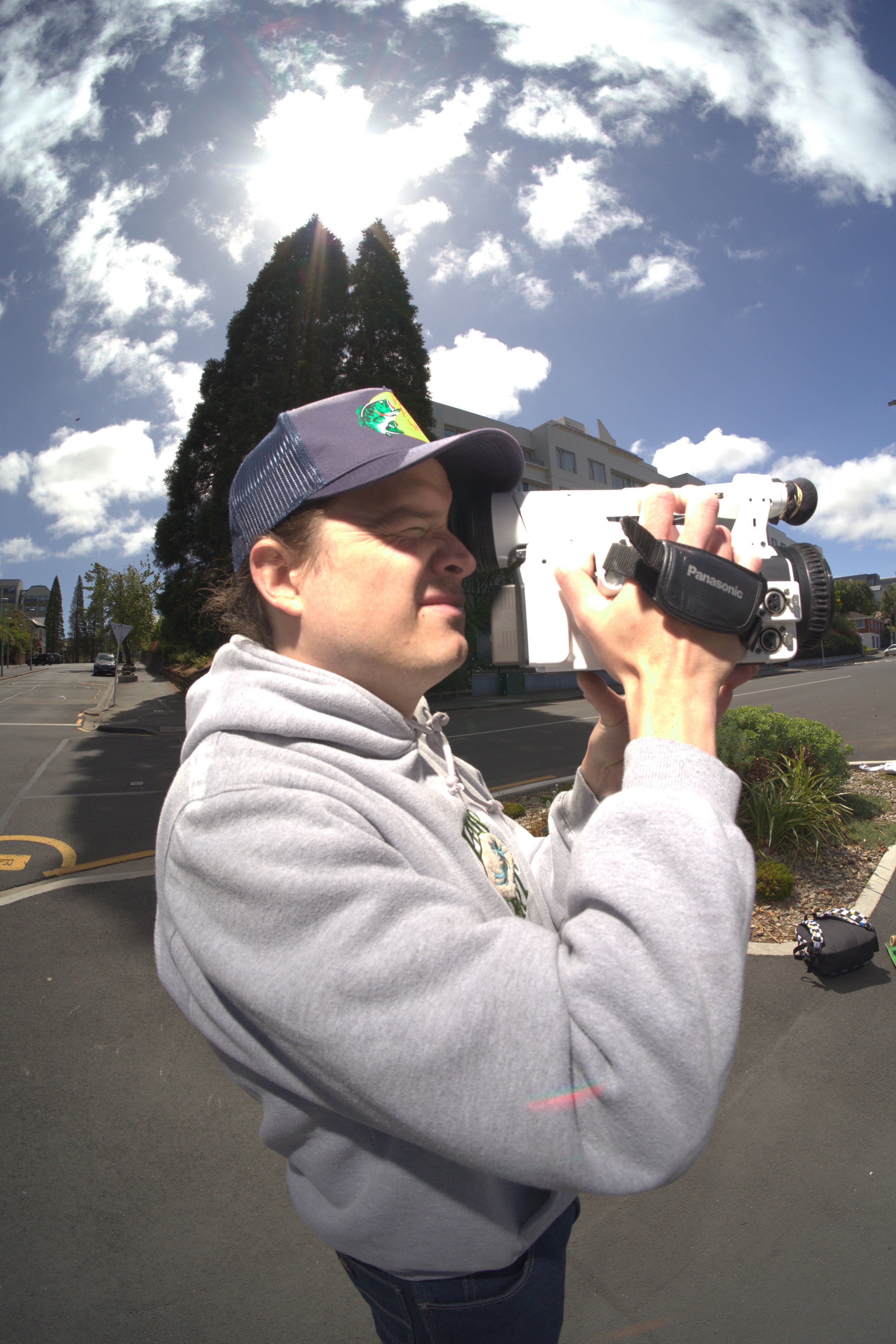
However, he really wanted to hang out with the guys, so he started bringing an old Handycam he was given on his 8th birthday to the skate sessions, recording and editing the clips on iMovie.
"I wanted to do something to contribute, so I started filming on this crappy little camera I had," he says.
"I just really loved the process."
Since he began filming about two years ago, he had learnt a lot about how to do it.
"The filming sucked when I started.
"I was cutting off heads and ruining clips and s..., not keeping up.
"But the boys gave me a lot of room to get better."
Chapman and one of Chilton Phillips’ flatmates chipped in and bought him a slightly better Canon 600D camera and gave him a fisheye lens.
Chilton Phillips began filming Dunedin skaters Scott McMillan, Robbie McNeill and Chapman with his new camera that day.
He was still no master film-maker but he and the skaters worked together to get the angles they wanted.
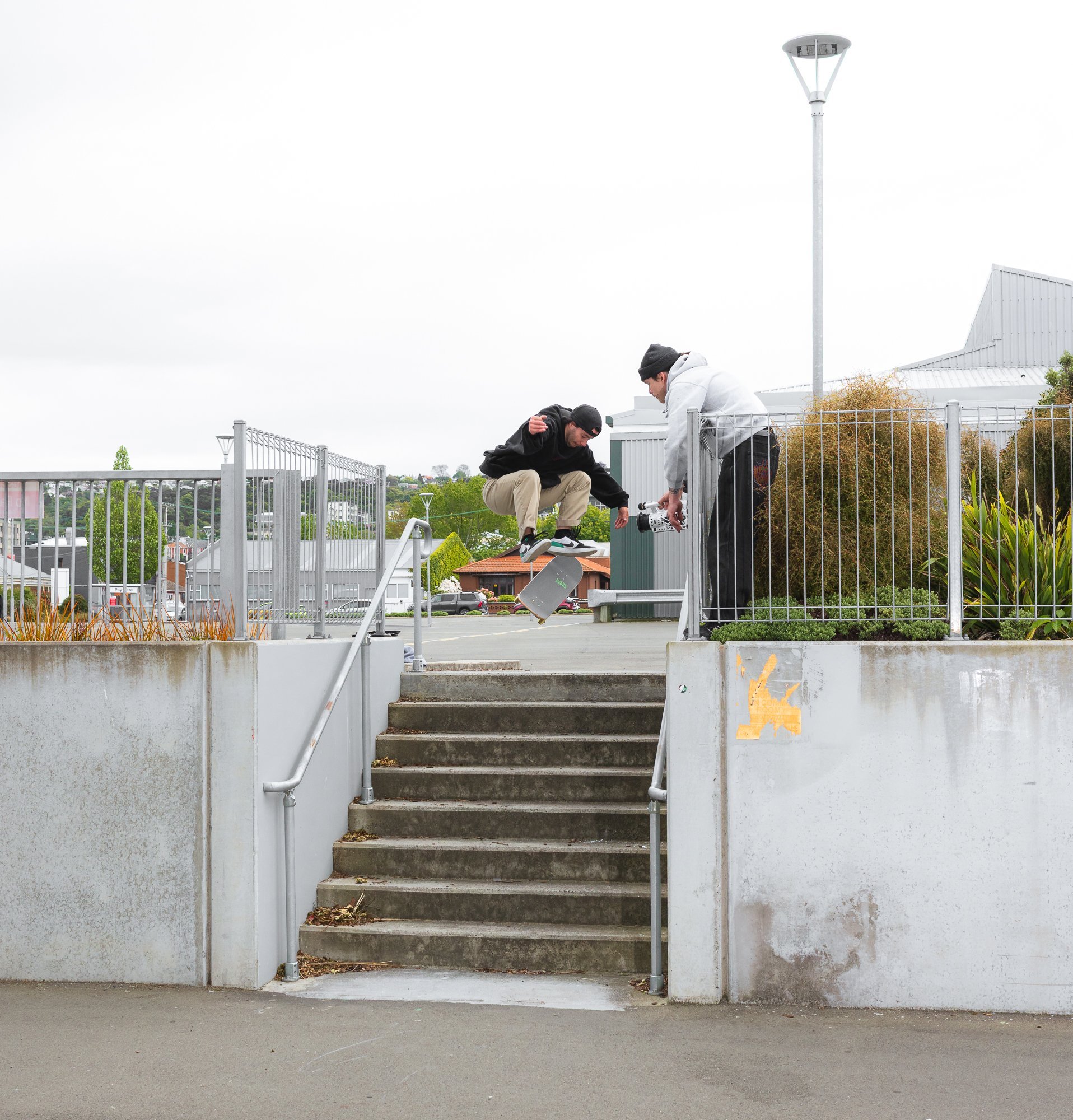
"We all just started hanging out really organically and it was all just about going out and getting clips.
"Before we knew it, we were sitting on like 15 minutes of footage together."
With the footage he had collected, Chilton Phillips put a video together called Hot Piss last year.
The short film featured in skateboarding publication Manual Magazine.
For Chilton Phillips though, it is never about getting the recognition.
He says no-one in the group was really trying to "make it" either.
Some of them had been skating since they were 12 and it was their passion.
They showed up because they loved it.
"Making it isn’t a thing [that’s] on anybody’s radar.
"It’s not about clout or free s... or money or any of that — it’s just about going outside and skating.
"The goal is to just land tricks and have fun, man."
Any club rugby player who played every Saturday probably knew they were not going to make the All Blacks but they played because they loved it, Chilton Phillips says.
Skaters skate and he films for the same reason.
They meet up every Sunday at the DIY Fryatt St skatepark, built on land owned by Port Otago.
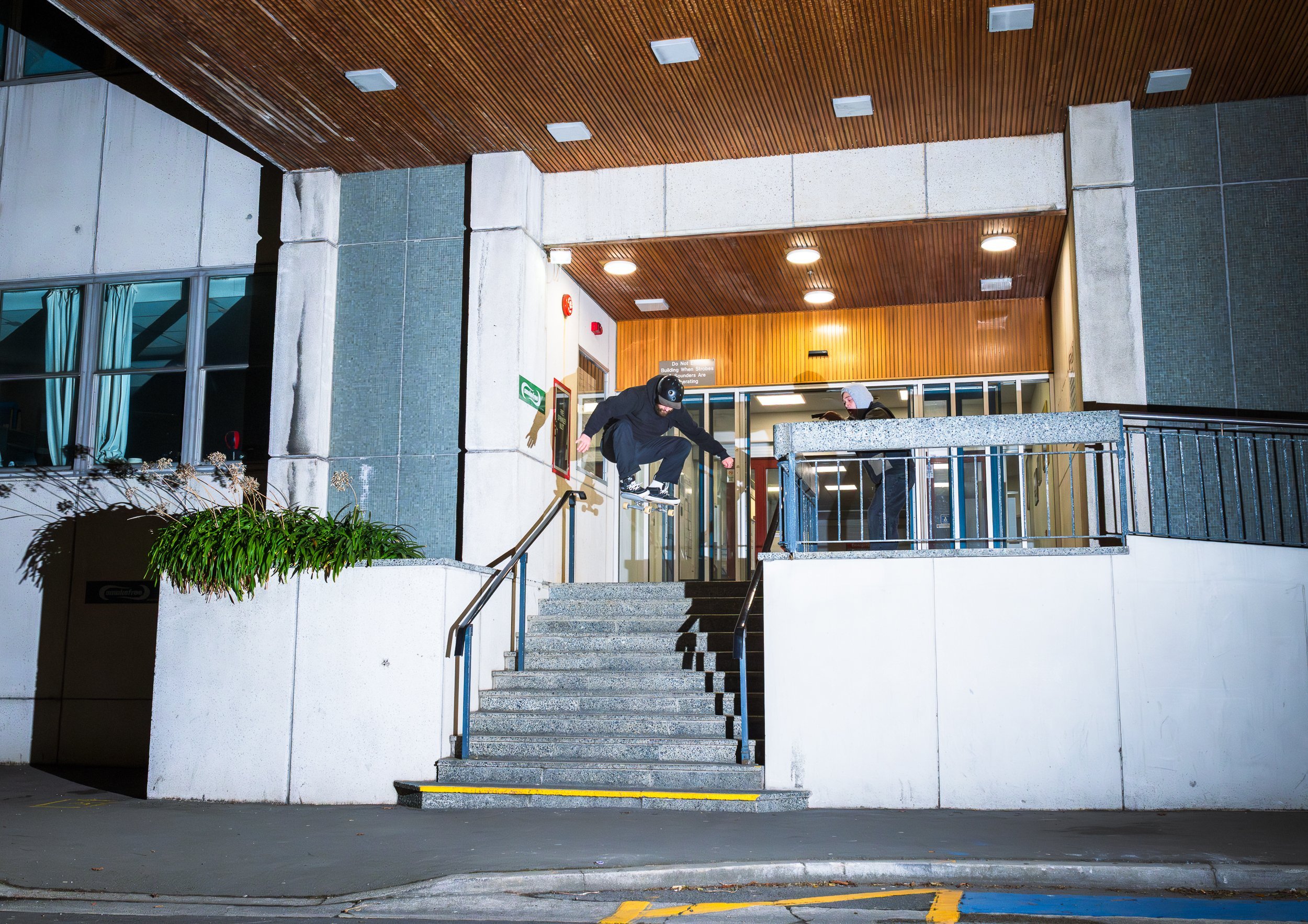
The skaters use the space in Fryatt St to sharpen their skills before heading out into the streets, where they recorded their tricks.
"We’re like this massive family really and everyone’s kind of got a common goal of just getting outside and doing it.
"The boys I’m filming have done it forever and they’ve never given up."
Chilton Phillips sees part of his role as a film-maker to advocate for skating and skateboarders in Dunedin.
A lot of people around town, usually of an older demographic, found his and his friends’ skating quite confronting, he says.
While the wheels on pavement make a loud sound, he believes skaters are often made scapegoats for damage they did not cause.
"I don’t see it as disruptive — I see it as a sport and there’s a lot of art to it.
"We just get blamed for things because it’s obvious and noisy and some people just don’t like it."
As a film-maker, he wants to highlight the finesse and commitment required to land some of the tricks in his videos.
"It takes years and years of practice and it’s a lot harder and taxing than a lot of other sports."
Often, skaters go home with nothing but bruises and he has seen many skaters get hurt.
Skaters never ignore the public while performing their tricks in busy areas — they are just focused, he says.
"You’re so focused on what you’re doing because if you’re not, you’re going to eat s...."
Strong advocacy from the likes of skate shop Pavement owner Craig Strong and DIY skatepark organisers Flynn Acworth and Olivier Jutel was giving skaters in Dunedin a voice, he says.
Strong was like the "lighthouse on the shore".
Quite often on a Sunday the crew will go to Pavement to get gear.
Most skaters in Dunedin got their boards, wheels, trucks and bearings from Pavement.
The store is by skaters for skaters, Chilton Phillips says.
Aside from providing skate gear, Strong has also helped to create more skatable surfaces around the city.
The council made George St more "skater friendly" as a result of his advocacy.
"Having these strong voices in the community that are respected advocating on our behalf has been really important," Chilton Phillips says.
Dunedin is a hard city to skate in because it is really "crusty in the streets", Chilton Phillips says.
"The roads are hard, they’re stones and chip seal, and the rails are often capped.
"The street skating here is really raw and really rough."
Nonetheless, the architecture makes for a beautiful backdrop and there are some "awesome opportunities" for skateboarding around town.
The city was good enough for Nike SB film-maker Geoff Campbell to come and make a video for renowned skateboarding magazine Thrasher with some of the best skaters in the world — twice.
Chilton Phillips says Dunedin makes "tough" and "hardy" skaters because of its conditions and he wants to see the city council get behind them.
The decades-old Thomas Burns Skate Park, hidden behind the Dunedin Railway Station, is in major need of a facelift.
While skaters are thankful for the land in Fryatt St for the DIY park, they deserve more, he says.
"While having 10 mini-ramps is great and we’re super grateful, it’s time for a new park."
Other city councils around New Zealand have invested in their skateparks.
The Christchurch City Council funded the Sumner Skate Park in Nayland St for about $530,000 in December 2024.
Chilton Phillips says there are lots of teenagers from Dunedin who are interested in the sport and they need a proper training facility that at least has lights for when it is dark.
"We just want a hub and a place to go to. And for all the hard work that everyone has put in, to just get recognised by our city would be sick."


