
PHOTO
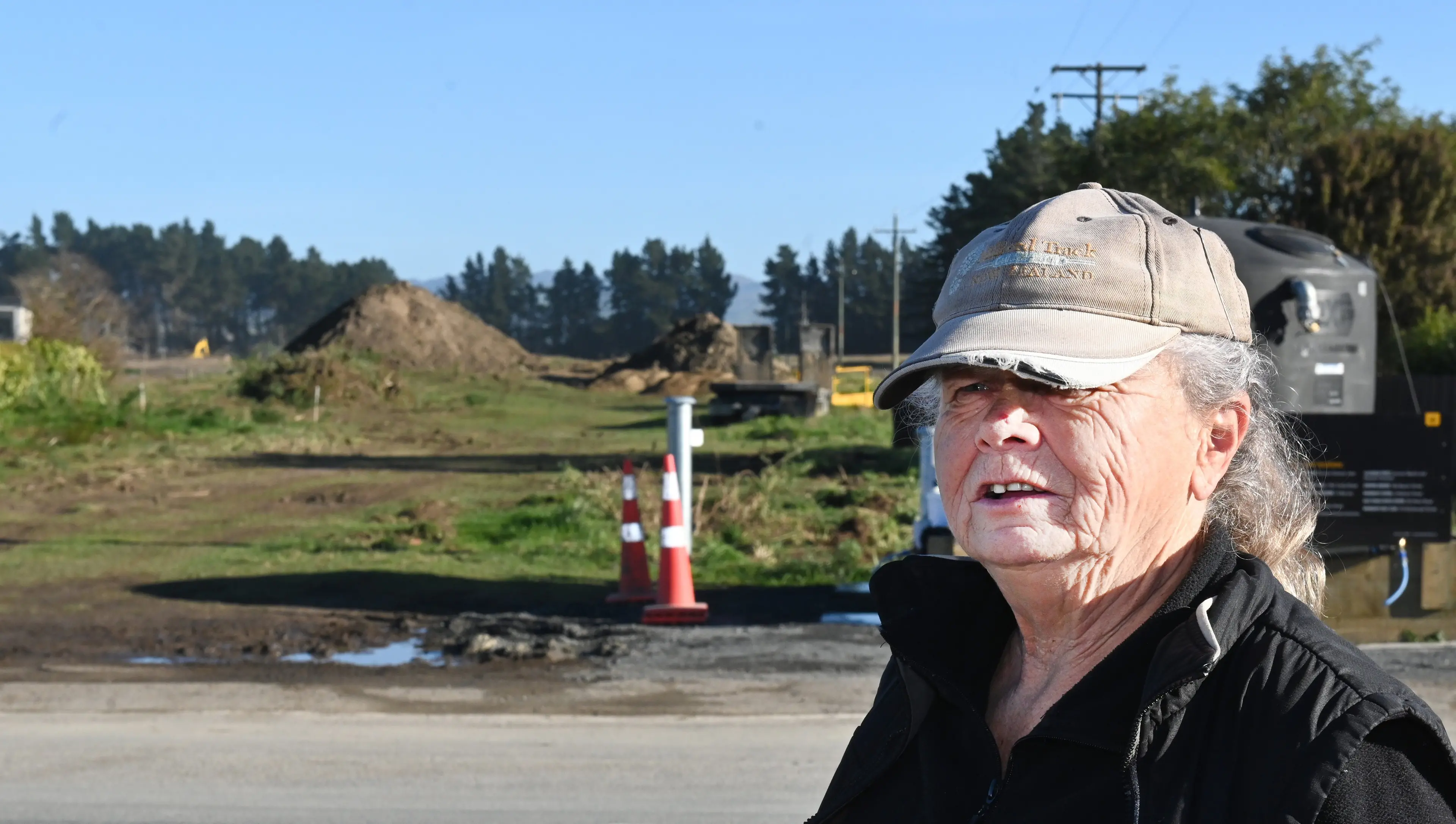
A Waikouaiti resident says a 45-unit Beach St subdivision should never have been approved as it is in a flood-prone area.
But developer Gerald Cayford said the development met all Dunedin City Council requirements for the area.
The parcel of land in Waikouaiti was granted resource consent in April to build 45 units across two stages of development, subject to conditions.
Sharon Bryant, who lives across the road from the Beach St development, said she was unable to get insurance for her property since it was flooded four years ago.
"[We were] flooded out completely, the whole ground floor. We lost all our carpets, vinyls and possessions."
She could not understand how the city council could consider putting houses on land which was a boggy wetland and would like to see the development stopped, she said.
Two diggers were working on the land, which she understood should not happen until stormwater management work was completed.
Mr Cayford said work had not yet started on the development, but he did have diggers on site to clear some vegetation.
Work was under way with the council on a stormwater management plan, and the first stage of the development would start in about two months when the plan was completed, he said.
Part of the plan was a watercourse for drainage running between the sites of the two development stages, which would also provide new public recreation land for the neighbourhood.
He had tried to talk to neighbours about any concerns, and had even gone to the extent of giving land to some of the neighbouring landowners and paying the legal fees for the land transfers.
"I worked in with all the neighbours there, in a good relationship too ... They’ve been very, very good."
The new housing would help with the shortage of affordable housing in the Dunedin region, houses likely to sell in the low $300,000 range, Mr Cayford said.
When approached for comment, a council spokesman referred to its commentary on flooding from the resource consent.
It said "potential flooding issues will be mitigated by the raising of the ground, the creation of a ponding area and the proposed plan requirement for new houses to be ‘relocatable’."