
PHOTO
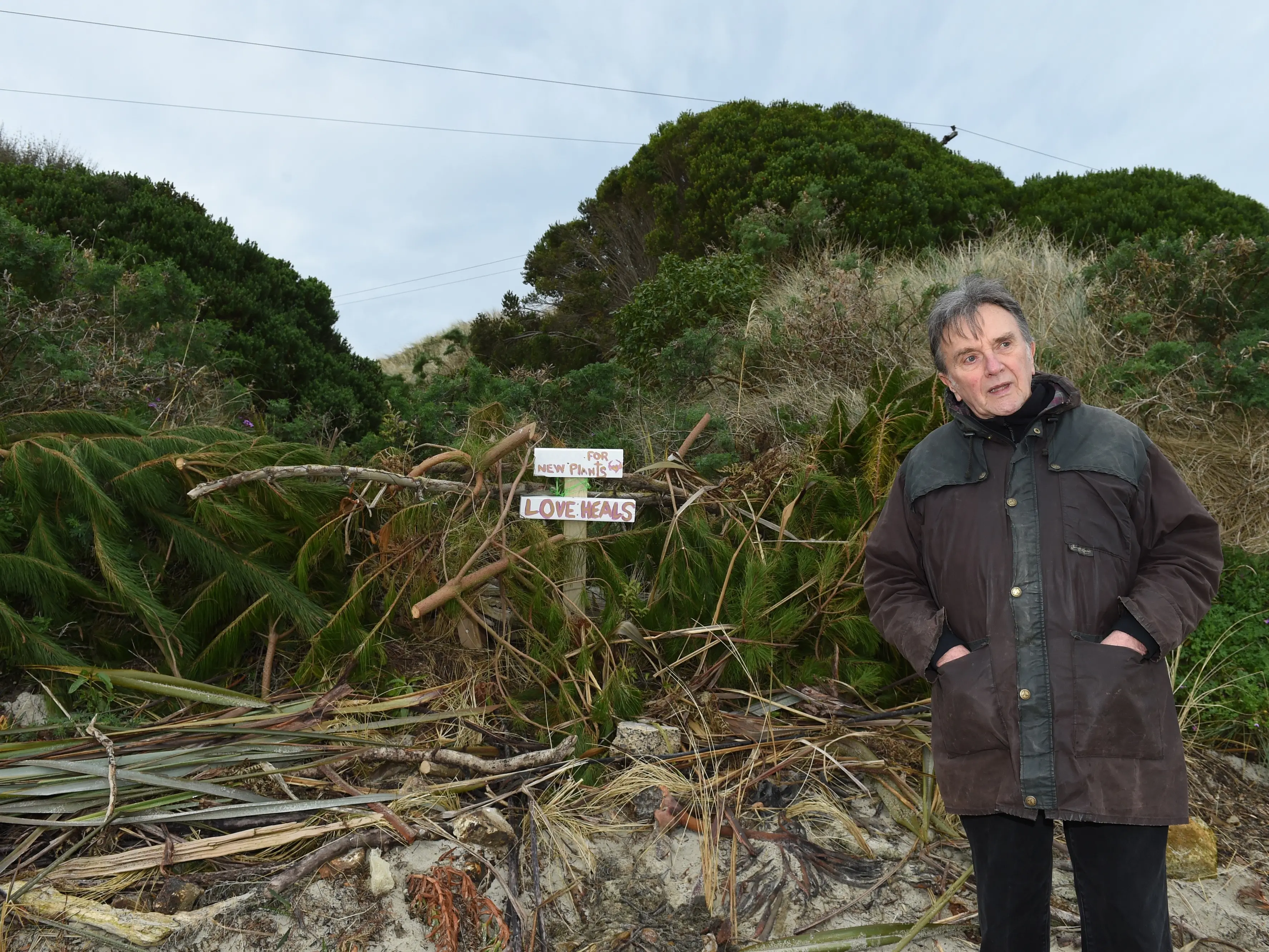
An Aramoana crib-owner has taken the fight against erosion into his own hands, drawing the ire of a local trust but the qualified support of the Department of Conservation.
Amrita Nectar recently began piling branches and planting grasses and shrubs in and around several areas where large dunes had worn away near his crib, creating gaps between the two beaches on the sandy spit.
He said his efforts were an attempt to trap sand and create a consistent front to the dunes, behind which sand would pile to re-establish the dunes, thereby preventing high seas eventually breaching the spit.
That approach has the support of the Department of Conservation (Doc), which says the delicate and ecologically significant salt marshes on the Otago Harbour side of the spit could be seriously damaged if high seas breached the narrow finger of land.
Doc owns the land on the spit, home to Mr Nectar's crib and three former pilot's cottages, now also cribs.
However, Aramoana Conservation Charitable Trust members Bradley Curnow and Adrian Hall strongly opposed Mr Nectar's efforts.
Mr Curnow, the trust chairman, said the branches would obstruct the movements of wildlife, including sea lions and penguins.
"We believe the wildlife takes precedence over everything else."
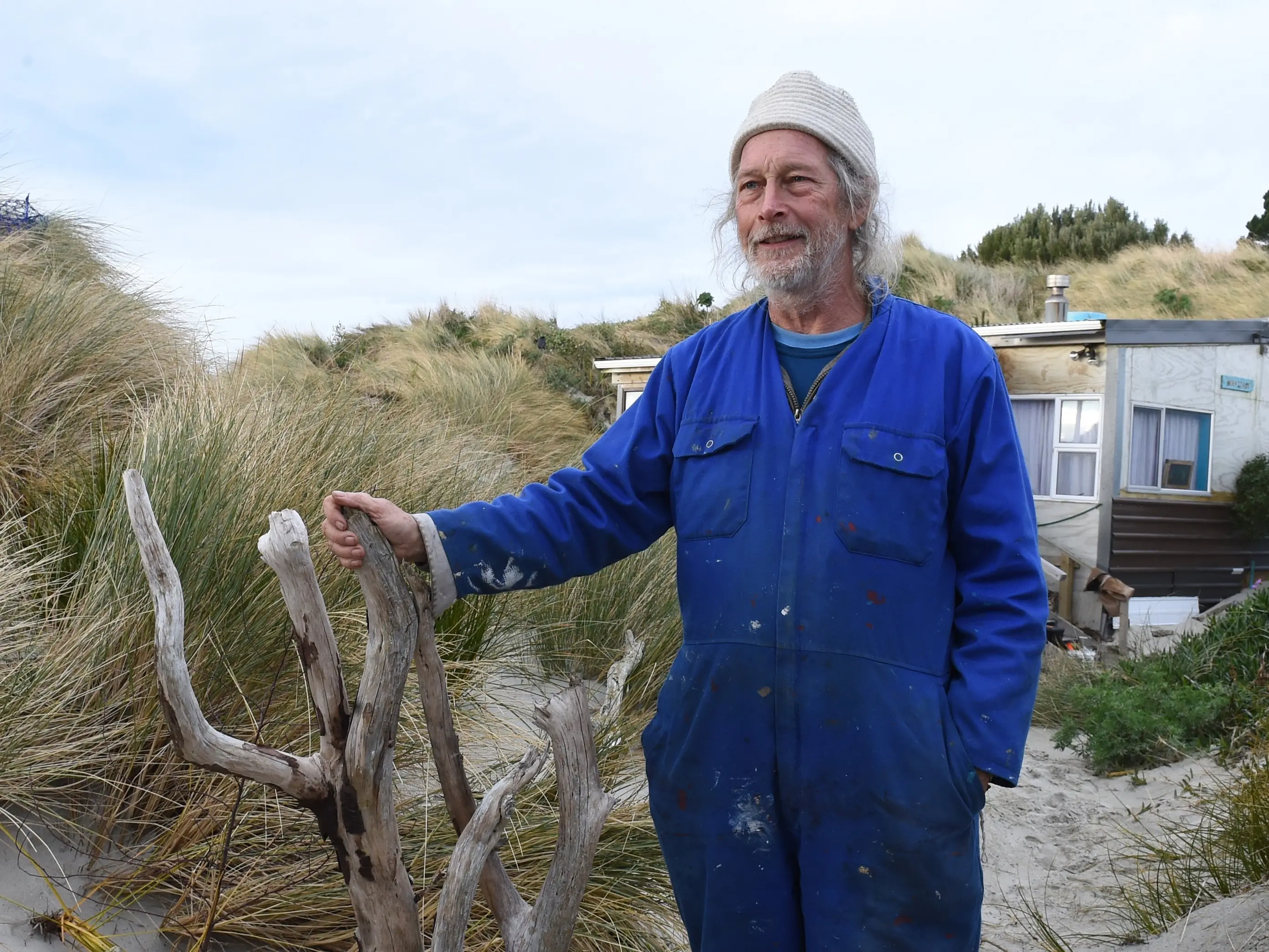
The trust disagreed the efforts of Mr Nectar would help sand build up and fortify the dunes, and Mr Curnow said he had not seen any evidence the approach would be effective.
Doc coastal Otago acting operations manager Mike Hopkins said he had consulted a marine-mammal specialist, who had no concerns about the work possibly obstructing the movements of sea lions.
Mr Nectar said he had recently seen the animals making their way across the spit without issue.
After the Trust raised concerns about Mr Nectar's efforts, including his signs attempting to limit public access to the areas around the dunes, Doc Dunedin supervisor Craig Wilson replied last month to say the signs were inappropriate and he had asked they be removed (they were painted over by last weekend).
However, Doc supported the piling of branches in an attempt to create a consistent dune-front to reduce the risk of high seas breaching the spit and damaging the salt marsh.
In another email sent yesterday in response to further concerns, Mr Wilson said Doc staff would visit the spit today to "identify any deviations from what has been authorised and seek remedies to them."
Doc had also authorised the use of a small digger to move sand near the crib in the dunes, on the proviso any damaged vegetation was replanted, Mr Wilson wrote.
Mr Nectar, who had owned the crib for 25 years and divided his time between there and his orchard, said he had planted about 3000 plants, trees, shrubs and grasses in four months of work to help secure the land in the face of increasingly high tides and strong winds.
"I've taken drastic measures to hold it in place ... Once the vegetation gets established, then you've got some holding power, otherwise it's just sand."