
PHOTO
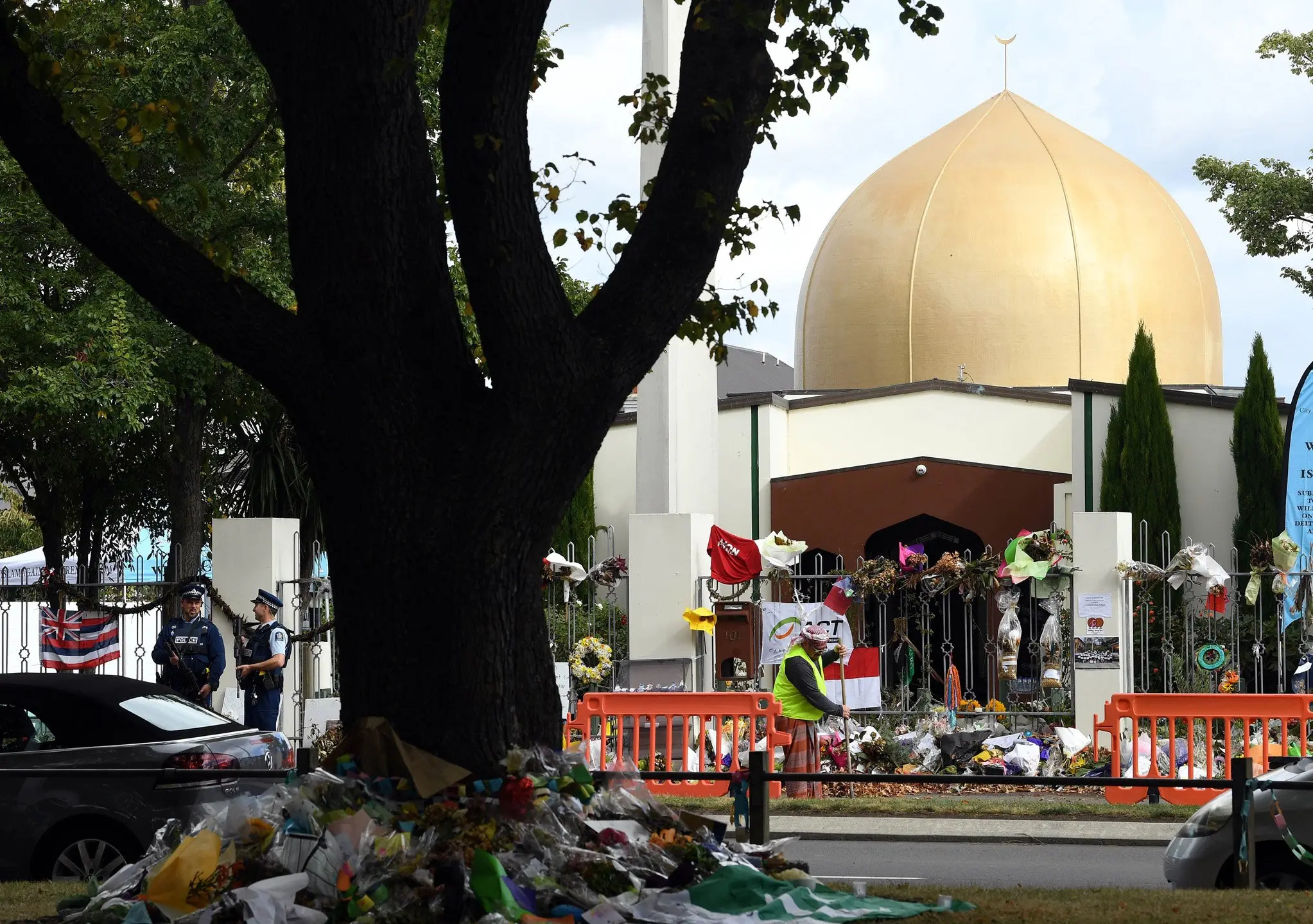
A government employee has been found guilty of possessing footage of the 2019 Christchurch mosque attacks.
The man, who still has interim suppression of his name and occupation, had a one day judge-alone trial in the Dunedin District Court on Monday after pleading not guilty to a charge of possessing objectionable publication.
Today, Judge David Robinson found the man guilty of the charge and said his explanations for having the video were “unconvincing”.
The charge carries a maximum penalty of 10 years' imprisonment.
At trial, the defendant said he had the videos for work purposes, despite them being found on his personal phone.
“The defence case is that the possession was lawful at the time,” counsel Anne Stevens KC said.
“[The defendant] never used the material, never opened the material.”
Court documents said the man had three videos of "a livestream of the murder of multiple victims at the Deans Avenue (Al Noor) mosque".
In giving evidence, the defendant said he emailed the videos from his work phone to his personal phone but did not think they had been saved.
Last-minute evidence produced today revealed the videos were easily accessible in his photo gallery among images of his family.
The defendant said he did not tend to revisit videos he took on his phone and had not seen the mosque shooting videos in his gallery.
Judge Robinson rejected that explanation.
“They would have been clearly visible and there to be seen on the phone,” he said.
The defendant said he could not recall exactly when or how he found out the video had been classified as objectionable, but was sure it was in the days after he emailed the video to himself on March 23.
“I consider it entirely implausible that one could be unaware that the publication had been classified as objectionable,” Judge Robinson said.
“This classification was extraordinarily well publicised.”
The defendant claimed the first time he became aware that the videos were saved on his phone was when police advised him he was being investigated.
Judge David Robinson rejected the defendant’s evidence, calling parts of it “unconvincing”.
He said the explanation that the defendant had the video for a lawful purpose “impressed as nonsense”.
Upon the guilty verdict, Mrs Stevens asked that the judge withhold a conviction, which he did.