
PHOTO
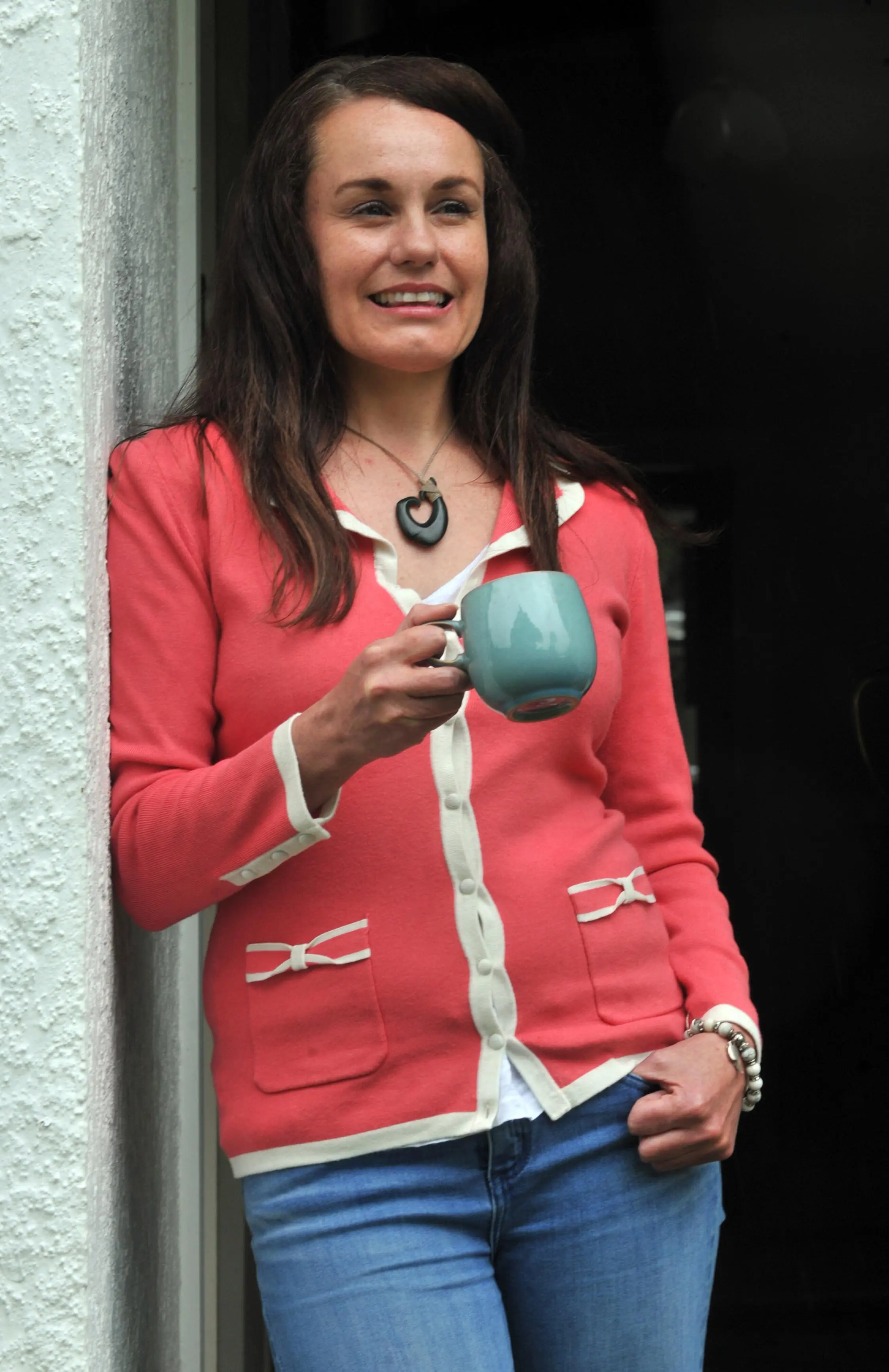
A Dunedin Hospital staff member has criticised her employer, the Southern District Health Board, for refusing medical support for hepatitis C sufferers who are legally importing life-changing drugs.
Tina Hill, an anaesthetic technician, cured herself of the disease a year ago by purchasing a generic drug from overseas through a route that has become highly publicised among sufferers.
Ms Hill said 50 Dunedin sufferers had imported the generics, and were being ''charged through the nose'' for private medical support. The imported generics cost as little as $1500, a fraction of the $84,000 to purchase them at home.
Close monitoring is required during the treatment period, and the patient needs a local prescription to import the drug. For the prescription consultation alone, some patients in Dunedin had paid $1000, Ms Hill said. Hepatitis C generics were a boon rather than a burden, for the public health system, as it ended up saving the system millions of dollars, she said. Without a cure, some patients would end up needing a liver transplant.
''If you get rid of hepatitis C, it's actually like a cure for cancer, because hepatitis C is the leading cause of hepatocellular carcinoma.''
Ms Hill had never used intravenous drugs, and had no tattoos.
''Transmission of hepatitis C is not just via needle stick injury,'' she said.
She believed her hepatitis C was contracted when she worked at another DHB.
''Healthcare workers are one of the highest risk groups.''
Ms Hill's hepatitis C treatment would now be carried out in the public system, because Pharmac started to fund the life-changing drugs for the first time this year, but only for a limited patient group. The deal covers about 57% of sufferers (those with genotype 1), as well as those with severe liver disease.
''We've saved them millions and they need to recognise that.''
''Why is it that the Southern District Health Board are choosing to ignore this?''
Ms Hill said some other DHBs had agreed to care for the patients. Ms Hill has been working with Hazel Heal, of Dunedin, to promote the issue, and Ms Heal has been lobbying the SDHB.
In a response to the Otago Daily Times, SDHB gastroenterology clinical leader Dr Jason Hill said doctors could not guarantee the safety and quality of medication purchased overseas.
''We have concluded, as a group, that we do not wish to take responsibility or accountability for prescribing such drugs.
''Therefore, prescription and on-treatment monitoring of generic direct acting antivirals obtained from overseas is not provided by the service.''
The ODT asked the Ministry of Health how many boards were offering support to this patient group, but it was unable to respond before deadline.