
PHOTO
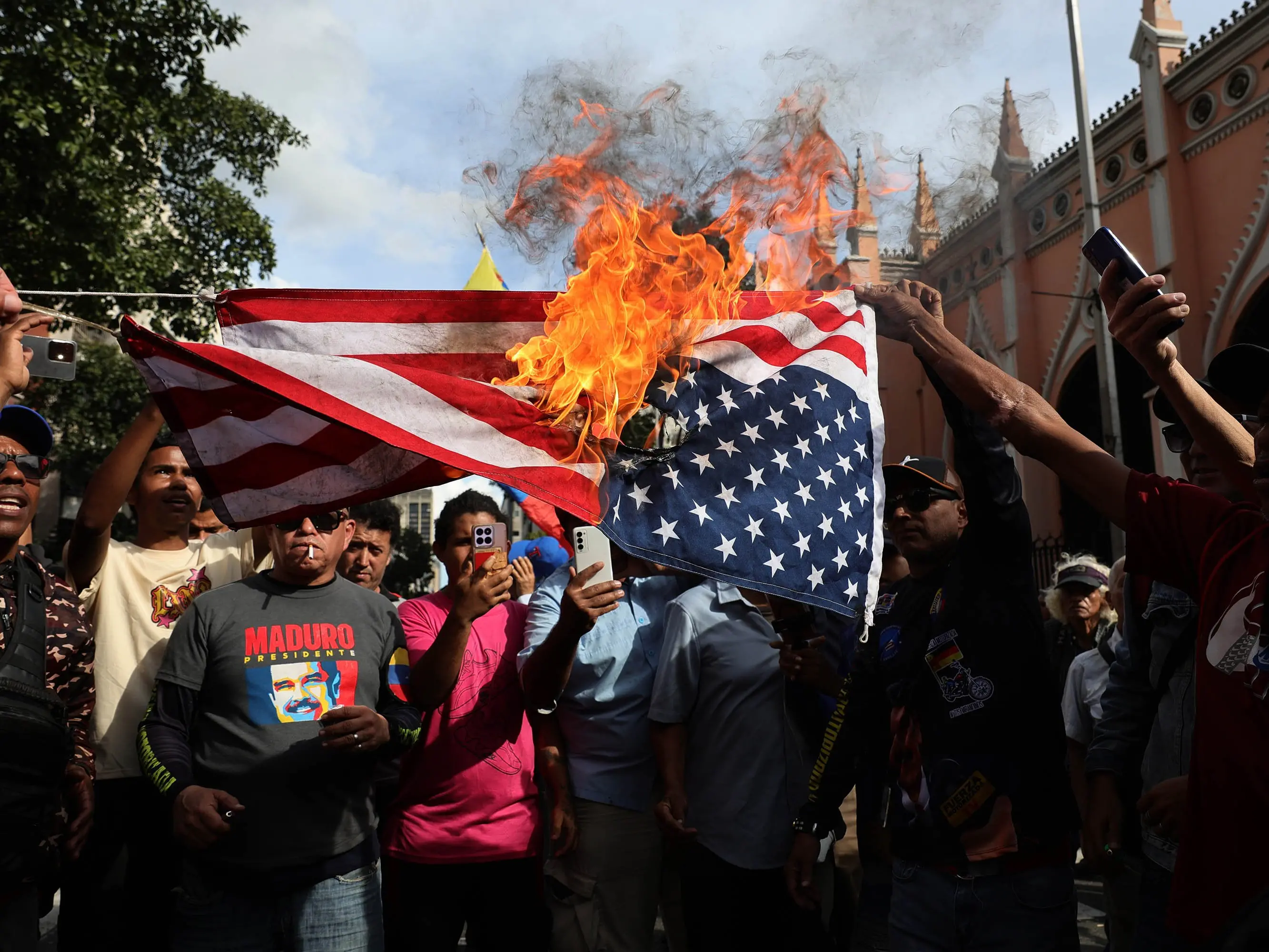
New Zealand must take a "robust" approach to diplomacy in the wake of the United States’ invasion of Venezuela, a leading international relations academic says.
On Saturday, the US attacked the Venezuelan capital Caracas and captured the South American nation's president Nicolas Maduro and his wife, citing alleged drug offences.
US President Donald Trump said in the meantime, the US would "run" the country, which has some of the world's largest oil reserves.
University of Otago international relations Prof Robert Patman said he was not surprised by the US actions, because it had recently made territorial threats against Canada, Denmark and Venezuela.
"However, the actual form of the intervention did take me by surprise, which was essentially attacking the capital of Venezuela, Caracas, and it would appear an operation involving special forces — essentially capturing Nicolas Maduro in his own capital and ferrying him out of the country and bringing him to New York."
Prof Patman said the actions were a "a flagrant breach of international law".
"It also looks pretty dubious in terms of domestic US law under the US Constitution."
New Zealand Foreign Affairs Minister Winston Peters said the ministry was "concerned by and actively monitoring developments" in Venezuela and expected "all parties to act in accordance with international law".
"New Zealand stands with the Venezuelan people in their pursuit of a fair, democratic and prosperous future," he said.

Prof Patman said he believed the days of "soft diplomacy" with Mr Trump were over.
"New Zealand has persisted for the last 12 months in what I call softly, softly diplomacy towards Trump.
"The idea is if we keep our heads beneath the radar, we say nice things, we have photo opportunities with the great men at international meetings, he will soften and we'll be able to nudge him in a more moderate direction. I'm afraid that's over."
A serious rethink from New Zealand was needed, Prof Patman said.
"It has to shed any illusions that Washington shares the interests and the values that all New Zealand governments have followed since 1945."
Prof Patman said Mr Maduro and Mr Trump actually shared some characteristics.
Mr Maduro stood for election in 2024, and he was clearly defeated.
"Mr Trump was clearly defeated in 2020, then led an insurrection for which he never faced the consequences and then of course succeeded in running for office again in 2024.
"The difference is that Maduro managed to stay in power until now."
A "major factor" in the US’ actions were to do with Venezuela’s vast oil reserves, Prof Patman said.
The narcotics reasons were "more dubious".
"Venezuela is not at the centre of America's drug problems. Fentanyl and other drugs mainly come from places such as China and Mexico."
A more "robust" approach was required from New Zealand from here, he said.
"I was struck by how limp Mr Peters’ response was.
"It was he was concerned by events and they were monitoring the situation closely. Well actually, what Mr Trump has done is a direct challenge to the New Zealand world view."
The precedent set by the US on Venezuela had real security implications in the Indo-Pacific, he said.
"It could embolden China to take Taiwan or invade Taiwan.
"Mr Trump seems to be sending a signal to other great powers... if you attempt to dominate your regions we will understand."