Union with city a less than happy marriage?
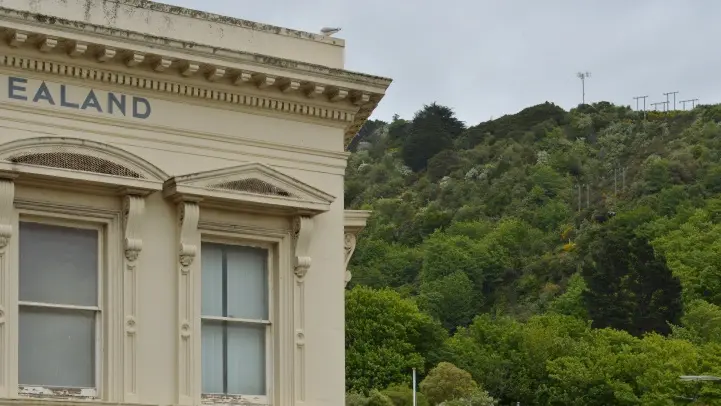
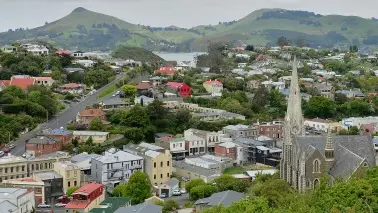
Port Chalmers from on high. Photo by Gerard O'Brien.
The corner of George St and Grey St.
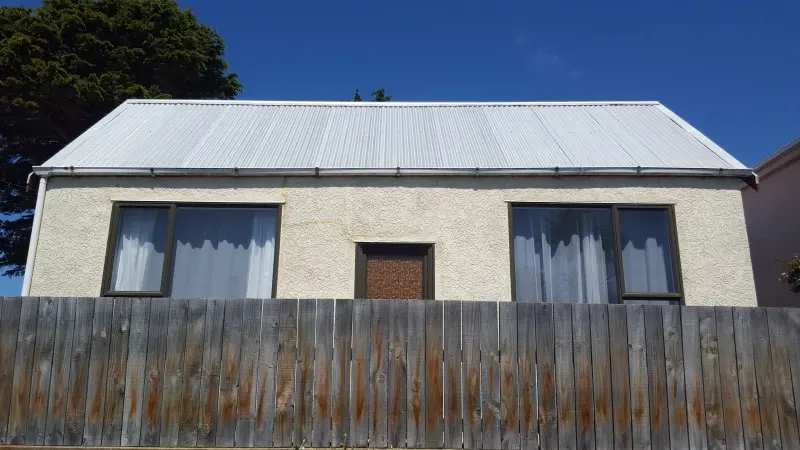
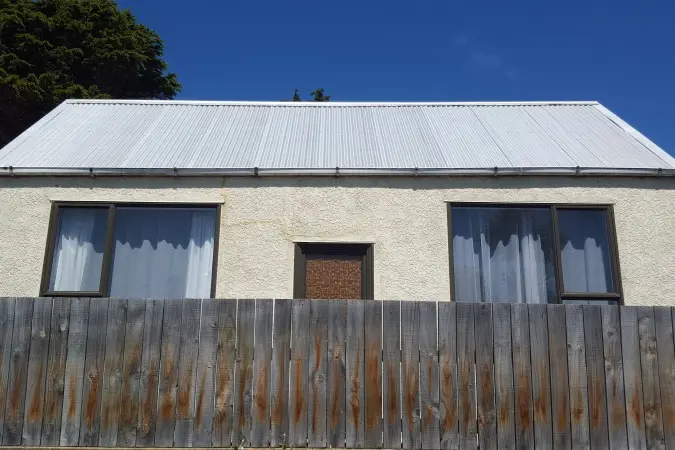
A Port Chalmers home.
Port Otago infrastructure towers over the town.

Port Chalmers, once a home of wharfies and smoky hotels, is now a modern centre of cruise ships, the elderly, alternative types and smoke-free hotels. David Loughrey travelled there with a bag of statistics and a worried look to find the 1989 local government amalgamation left many unable to have successful relationships.

Some events are of such historic significance, their after-effects echo through the decades.

For Port Chalmers that event was the deeply unpopular 1989 merger of its decent, hard-working little council with the Dunedin City Council, a bunch of other local councils and the Dunedin Drainage and Sewerage Board.

Who wants to merge with the Dunedin Drainage and Sewerage Board?

On the surface the port has developed and grown, embracing the move from wharfie culture to cafe culture, cuddling up to cruise ships and crafts.

But statistics show a little town that struggles to trust, and a cohort of spare ladies left lonely by the twists of time.

On Beach St, cruise ship passengers were ambling in pairs this week, their shopping bags swinging pendulums brushing beige slacks as they rounded the corner to the wharf in Beach St.

Near the corner of Mount St, a hefty port worker in hi-viz overalls sauntered towards Port Otago, erect of bearing and heavy footed.

In George St, the cafe classes peered from behind steamy glass, their little fingers collectively extended from their cup handles.

This is Port Chalmers.

It's modern and a quirky sort of hip, slightly bookish with an interest in second-hand peculiars.

But to understand the rhythm of the port's beating heart, one has to climb up a scaffold to find a wild-haired community board member repairing the roof of one of its historic building.

This A Strictly Local Matter did this week.

Overlooking the windy town and its container activities, he spoke plainly of the feelings of residents when it comes to that relationship forced on an unwilling port.

''People still moan about the amalgamation,'' he said.

Port Chalmers is a town that appears, at its birth, to have been uncertain what it might become.

Grand brick residences sprout from the salty soil, while nearby lonely terrace houses - bereft of surrounding blocks of coal-darkened brick squalor raising dirty-faced, troublesome waifs - squat alone.

Up the hill, wooden workers' cottages float in rose gardens beneath cabbage trees, their berms wet with succulents, while their roughcast neighbours peek over solid wooden fences.

George St, by the container terminal, starts rock-solid with hulking stone buildings, before they lose confidence as they march up the hill, becoming smaller and further apart, before petering out all together.

Religious denominations appear to have tried to outdo each other by building churches of dark, imposing rock, churches that brood in a small but very solid way on the side of the small hills that raise Port Chalmers closer to God.

Statistics show people there are a little older, and a little younger, than those in Dunedin as a whole.

The 2013 census tells us the median age is 42.3 for people in Port Chalmers, compared with 36.7 for the city.

However, a full 20% are aged under 15 in Port Chalmers, compared with 16.2% for Dunedin.

But the major statistical factor affecting the town must be the striking number of divorced, separated or widowed residents, compared with the city.

A full 25.2% are in that sadly disrupted group, compared with 16.1% for Dunedin as a whole.

These are the results of an arranged marriage forcing an unwilling, tearful bride to the city's altar: a town of people no longer able to give their hearts to stable, constant love.

Perhaps that is why there are 90 spare ladies in Port Chalmers, tripping around Wickliffe St, kicking cans down George St and spending afternoons throwing pebbles into the harbour on Peninsula Beach Rd.

We know they are there, because the 2013 census tells us there are 726 women and just 636 men.

Ninety women so scarred by local government history they would prefer to stay single than sign up to a romantic entanglement that can only remind them of the pain of '89.

Perhaps, also, that is why the town has its share of alternative healers, trying to holistically repair damage that cannot be seen by science.

There are signs advertising acupuncture and even herbal medicine to ease the pain of the lonely divorcees.

But still they fill the town.

Still they sit by the flagstaff watching cruise ships come and go, before heading to George St to drink coffee and buy second-hand books.

A town married to the city, but separated.


Advertisement