
PHOTO
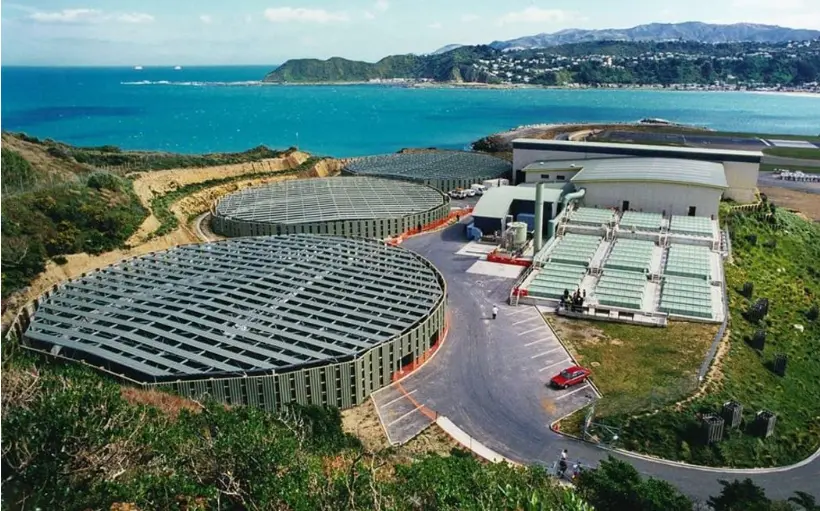
Wellington Water says replacement equipment to repair the failed Moa Point wastewater plant is yet to be ordered.
On February 4 this year, a blockage in an outfall pipe led to a backflow of sewage into the plant, shutting it down and forcing the closure of beaches along the city's South Coast as up to 70 million litres of untreated sewage was sent into the sea each day.
In the immediate aftermath of the fault, a room at the bottom of plant - the size of an Olympic swimming pool - was 3m deep in wastewater.
At the time, Wellington Water chief executive Pat Doughty said up to 80% of equipment in the plant had been damaged.
A month on from the shutdown, the company's chief operating officer, Charles Barker, said additional equipment to repair damage parts of the plant had not yet been ordered.
"We understand that people want answers. Which is why we are working through a thorough and robust process to understand the full extent of the damage.
"We've had specialists from Beca [engineering consultants] go through the plant and they will provide us with an assessment soon. Once we have that, this will inform our approach to repairing the plant."
Before details of the plant's repair could be made public the water services provider would have to consult on their plans with insurers and the Wellington City Council.
"No additional equipment has been ordered as of yet. This process will take time (likely a few months) but it is important that we take the time and do this well," Barker said.
In a prior statement, Wellington Water said the clean-up of the site was completed last week and the plant was being readied for "recovery work".
The water service provider noted this week that the plant had remained open since the failure to improve ventilation and protect staff onsite.
"Moa Point plant was designed to be essentially airtight, in part to manage odour.
"We are currently working to reinstate some ventilation systems that will allow us to close off the plant, however this will mean that untreated air will be vented out of the building via the odour discharge stack (similar to a large chimney).
"Venting this untreated air out of the stack will help it disperse more quickly. This has a low risk of odour, but will be carefully monitored," the spokesperson said.
Mayor Andrew Little has been approached for comment.
