
PHOTO
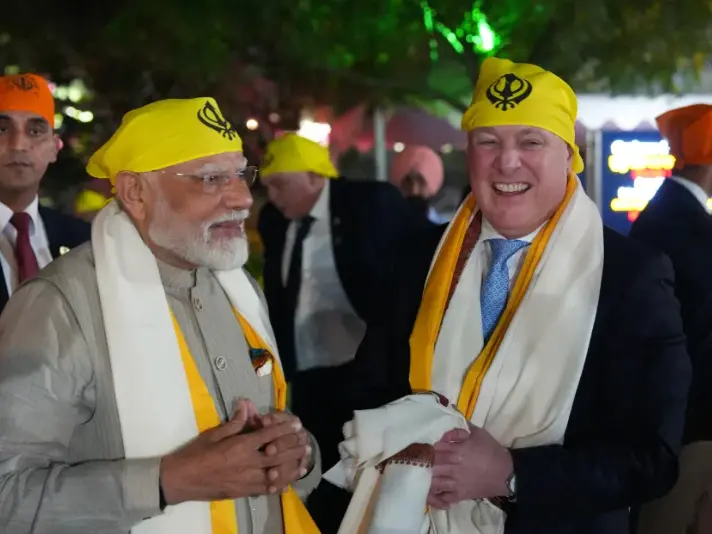
India's Prime Minister Narendra Modi is expected to make a visit to New Zealand, possibly in July.
Earlier this year both the New Zealand and Indian governments indicated preparations were underway for the visit, which would be Modi's first.
When asked on RNZ's First Up if Modi would be visiting in July, Deputy Prime Minster, David Seymour, said they might be able to confirm it very soon.
Last month New Zealand and India signed a historic trade agreement which will eliminate or reduces tariffs on 95 percent of New Zealand's exports.
Sheep meat, wool, forestry products and seafood all benefit from deep tariff cuts, many of them immediate or phased in over a relatively short timeframe.
More than half of New Zealand's exports to India become duty-free from day one, rising to more than 80 percent over time.
Indian tariffs have historically been so high that they effectively shut New Zealand out of the market. Cutting or eliminating them turns India from a theoretical opportunity into a commercially viable one.
Last week it was revealed that Indian negotiators had threatened to walk out of trade talks with New Zealand over its persistent efforts to include dairy.
New Zealand's chief trade official Vangelis Vitalis revealed the detail to MPs on Thursday to help explain the "big disappointment" of the Indian free trade agreement (FTA), that being the limited gains for the dairy sector.
