


As Muslims in Christchurch prepare to mark seven years since 51 people were murdered while worshipping at two mosques in the city, there are fears hate is again on the rise.
Australian white supremacist Brenton Tarrant opened fire at Al Noor Mosque and Linwood Islamic Centre on March 15 in 2019 as the congregations marked Jumu'ah - the most significant prayer of the week.
He left 51 people dead or dying in little over 15 minutes. Christchurch City Council will hold a formal commemoration event to remember the victims of the attacks at the Peace Bell at the Christchurch Botanic Gardens from noon on Sunday.
The now 35-year-old pleaded guilty to 51 counts of murder, 40 of attempted murder and one of terrorism in March 2020 and in August of that year was sentenced to life imprisonment without parole.
But he is now appealing his sentence and conviction, and there is a possibility of him giving verbal evidence to the coronial inquiry into the deaths of those he murdered.
Seven years on from what former Prime Minister Dame Jacinda Ardern described as one of New Zealand's darkest days, some in the community were still grieving wounds that felt fresh with little closure or solace.

"Life seems to have moved forward around us," she said.
"People seem to be forgetting March 15 and the lessons from it, while for many of us it often feels like time actually stopped on March 15, 2019."
Rosemary Omar also lost her son Tariq during the massacre at Al Noor Mosque.
"I know it's seven years but it does feel like yesterday and obviously some days are better than others," she said.
"It was such a waste of such a good young man. He was just such a peaceful, kind, caring, compassionate young man that it seems very cruel that he should lose his life like that."
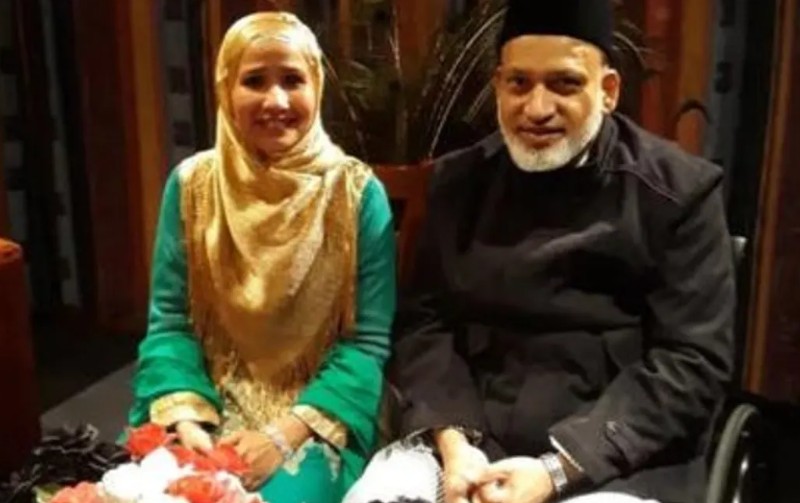
The gunman shot her as she returned to find her husband, who uses a wheelchair.
"It was a dreadful day," he said.
"For a moment I was thinking it was the end of the world for me. The world was becoming a very narrow for me. I was feeling that I was going to be sinking - swallowed by the earth."
But the terrorist's bullets did not just touch 91 people, they tore through the lives of thousands who felt the loss and pain of those killed or maimed.
The shuhada - or martyrs - left behind 34 spouses, 92 children and more than 100 siblings.

"I think we'll never move on. I think it's more a case of learning to sit with Tariq's death next to me.
"It's also more a process as well of appreciating having Tariq for 24 years rather than everything being sort of focused on how he died. And it's very difficult as the anniversaries approach to actually stay in that moment of gratitude because everything's sort of thrown up in the air and all these appeals obviously don't help."
She believed the terrorist's appeals were motivated by the intent of further traumatising survivors and victims' families.
"It's quite disturbing and he's sort of mocking everybody by basically breathing."
She hoped the coronial inquiry into her son's death might result in some positive change.
However, she was cynical about the process especially after the government ended its formal response to the Royal Commission into the attacks with many recommendations scrapped.
Politicians seemed to have used the community for photo opportunities when it suited them but had now moved on, Omar said.
"I don't believe they have any concept of what families have been through," she said.
"There appears to be no compassion."

"We are tracking, according to police statistics, about three hate incidents recorded per week.
"That's a level that we haven't seen anywhere in the past. Last year, they recorded once over 150."
Three people had been arrested in recent months for planning or discussing harming the Muslim community, Razzaq said.
There was also an alarming level of Islamophobia online, he believed.
Hamimah Ahmat said while most New Zealanders remained quietly supportive of the community, she agreed hate was growing and had experienced it herself.
"Just two years after March 15, I was taking a walk ... and a car passed by me and the hooligans shouted 'go back to your country'."
It was alarming to have come so soon after the terror attack.

"I would say my experience generally - generally - has been has been great but it's hard because it just takes one or two incidents to bring us back to that anxiety again," she said.
She had been involved in a lot of work to foster and improve social cohesion following the shootings. She believed the government should back a national unity week to coincide with the anniversary of March 15.
"It's about our national security. What are we doing in terms of making sure communities are resilient?
"How are we ensuring that we respond compassionately and with sensitivity to voices that try to divide us? How do we acknowledge that New Zealand is not predominantly white, that it is made-up of many different peoples, many different countries, with many different cultures?
"Assimilating is not the answer to it. It is about accepting that we are all different and we can all make New Zealand great by being different and being unique."

Ahmed moved the world when he publicly forgave his wife's killer only weeks after the shootings.
"I decided with my 15-year-old daughter that the quickest way of healing for us is to offer forgiveness so we will have the freedom in our hearts from anger, from retribution, from hatred, and we could use our clean heart to work for peace and harmony and love.
"It is not an easy journey but it is possible that we can carry the grief and at the same time we can choose to overcome it by contributing in love and compassion towards others."
That philosophy allowed him to live a happy life despite the enormity of his loss.
"From time to time, because of the love, I cry for my wife. When I reflect on the good things that I had, time to time I cry. But every cry I had gives me double motivation to do something better because if she was here she would have wanted me to do this sort of good thing," Ahmed said.
On Sunday, he would mark the attack at the public service in the Christchurch Botanic Gardens and by giving away 150 cakes to his community, each with a message of love and hope.


