
PHOTO
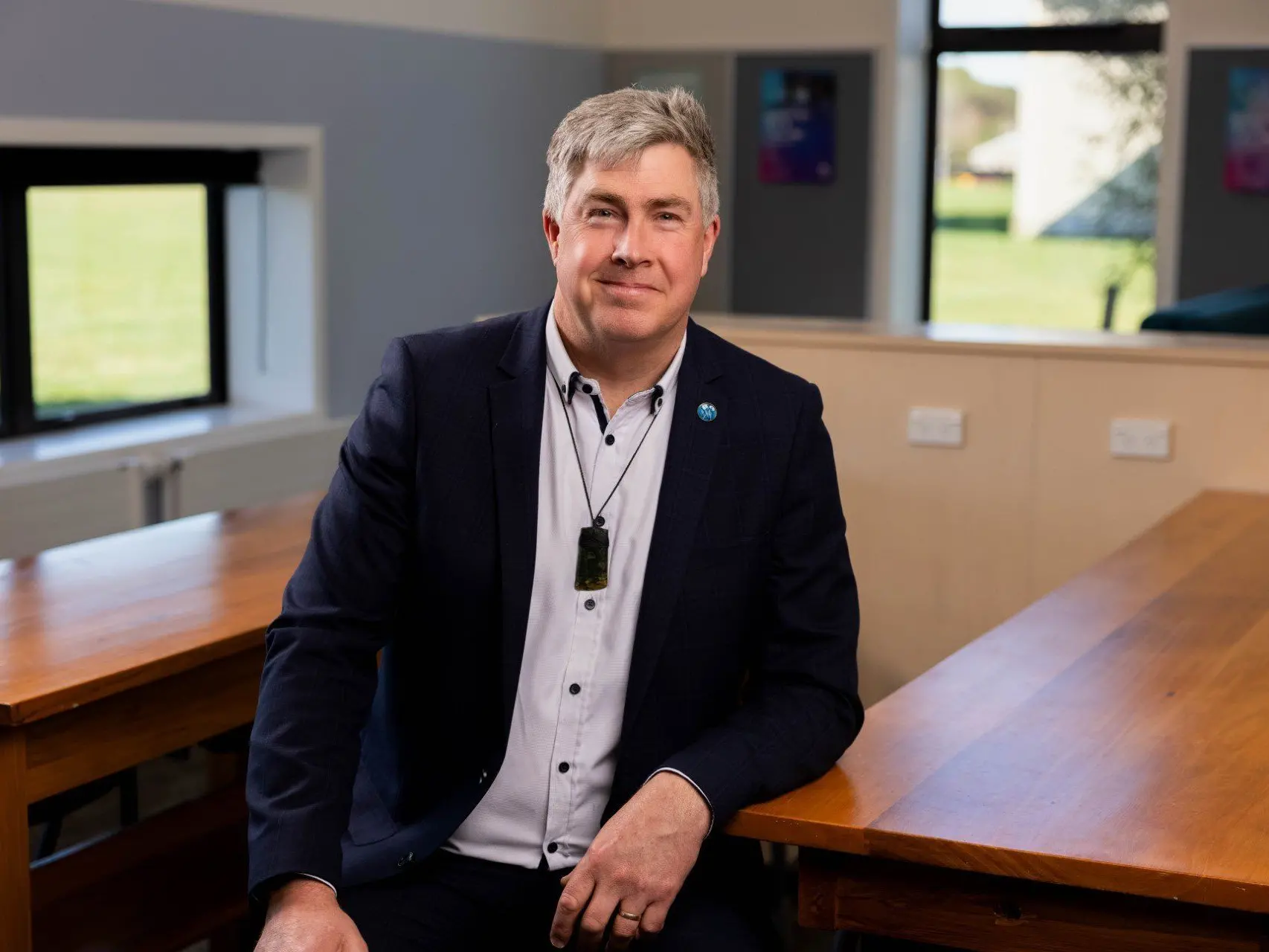
A Canterbury school principal fears students could fall through the cracks of the government’s shake-up of NCEA.
Year 9 students this year could be facing a completely new assessment system, with plans to scrap the three-year NCEA assessment tool and replace it with a new two-year qualification system from 2029.
The government is placing greater emphasis on vocational pathways, including the trades and land-based subjects, as part of an overhaul of secondary education.
At the same time, other subjects like art history could be phased out.
Kaiapoi High School principal Jason Reid said the model was ‘‘highly prescribed’’ and appeared to mirror past assessment models.
‘‘We don’t want it to be one size fits all. If it goes back to being an assessment system like in the 1990s with School Certificate and Bursary, it will undo a lot of the good work to support the diversity of our students.
‘‘Based on what we have seen so far, it is highly prescribed about when you do it and what you do, and we know each cohort will be different. Some get through the work quicker and others need more time.
‘‘The last thing we want is for students to fall behind and become disadvantaged or drop out.’’

Mr Reid said the three-year NCEA model allowed schools the flexibility to adapt learning to support the ‘‘diversity of learners’’.
The school’s board of trustees presiding member, Belinda Smith, said Kaiapoi High would like to offer more trades classes in line with the new curriculum, but funding was needed.
There was a growing demand for trades classes, as students stay at school for longer due to the challenging economic environment.
But these classes tend to be the most expensive to run due to the materials used and the specialist buildings required.
Under the government’s proposed overhaul, NCEA would be phased out from 2028.
Students in Year 11 would be able to achieve a Foundational Award if they achieved the literacy and numeracy co-requisites, instead of sitting NCEA level one, while new qualifications would be offered in Years 12 and 13.
It would include integrating industry-led subjects into the senior curriculum to provide a single qualification pathway into the trades.
Rangiora New Life School principal Stephen Walters said change was needed, but it was important to get it right.
‘‘Parents will be keen to know what this year’s Year 9s will have in store for them when they get to the senior years.
‘‘The world is changing and qualifications need to change too.’’
Mr Walters said the new system would benefit some students and ‘‘disadvantage others’’. It appeared to be ‘‘subject-based’’, rather than allowing students to gain credits across a range of subjects.
Education Minister Erica Stanford said the overhaul aimed to provide a world-class qualification for students.
‘‘We are ambitious for young New Zealanders and believe they deserve a qualification system built on high expectations that is internationally comparable.
‘‘NCEA has become increasingly fragmented, difficult to understand, and too easy to game.
‘‘Too often students have been able to gain piecemeal credits without developing the knowledge and skills they need to succeed beyond school.’’
By David Hill, Local Democracy Reporter
• LDR is local body journalism co-funded by RNZ and NZ On Air.