
PHOTO
Three more people have died with Covid in the Southern DHB area, as 13 more disease-related deaths across the country are announced today.
The deaths take the South's tally to 17.
There are 11,634 new community cases today and 639 people in hospital, down on yesterday's 654, but the number of people of people in intensive care has grown by six to 29 today.
There are 1157 new cases in the SDHB area, down on the past two days, and 22 people in hospital. There are 7915 active cases in the area, down from 7970 yesterday.
Yesterday there were 1368 new cases, and 1456 on Tuesday.
The deaths being reported today include people who have died over the past 10 days, the Ministry of Health said. The death toll of people with Covid-19 in New Zealand is now 456.
Today's seven-day average of new community cases is 11,791, down from 14,515 last week.
Three of the deaths reported today were from Northland, one from Auckland, two from Waikato, one from Bay of Plenty, one from Whanganui, two from West Coast, and three from Southern.
Three were in their 30s, two in their 50s, two in their 60s, four in their 70s, one in their 80s, and one over 90.
Seven were women and six were men.
Location of new community cases): Northland (549), Auckland (2,179), Waikato (1,030), Bay of Plenty (553), Lakes (266), Hawke’s Bay (480), MidCentral (630), Whanganui (296), Taranaki (402), Tairāwhiti (149), Wairarapa (98), Capital and Coast (782), Hutt Valley (394), Nelson Marlborough (441), Canterbury (1,913), South Canterbury (224), Southern (1157), West Coast (89), Unknown (2).
Cases in hospital: Northland: 27; Waitemata: 99; Counties Manukau: 116; Auckland: 99; Waikato: 72; Bay of Plenty: 41; Lakes: 10; Tairāwhiti: 3; Hawke’s Bay: 19; Taranaki: 7; Whanganui: 8; MidCentral: 17; Wairarapa: 3; Hutt Valley: 12; Capital and Coast: 19; Nelson Marlborough: 14; Canterbury: 45; South Canterbury: 6; West Coast: 0; Southern: 22.
Health bosses resign
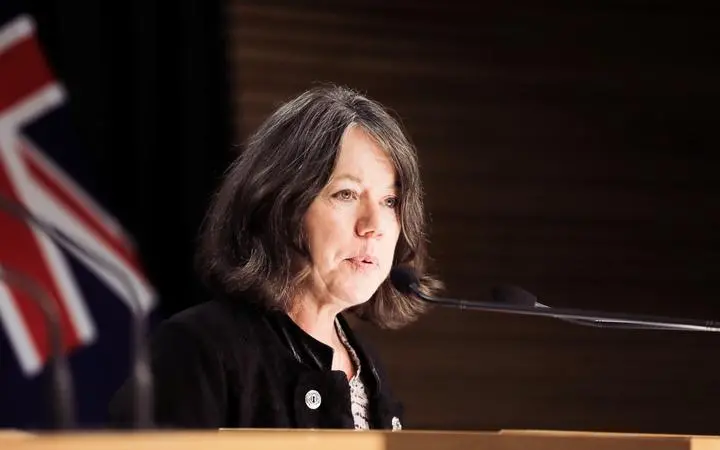
The latest data is being presented by Director of Public Health Dr Caroline McElnay and her boss, Director-General of Health Dr Ashley Bloomfield, whos resignations were made public yeterday.
The resignations come as New Zealand starts winding back public health restrictions after reaching high vaccination levels and battling the Omicron wave of the pandemic.
The accuracy of rapid antigen tests is also in the spotlight, with increasing reports of people having the virus, but recording multiple negative test results.
The first 1pm Covid press conference was streamed on January 27, 2020 - and this stand up today was number 299.
The stand ups would continue - but without McElnay. She would be travelling overseas - and there were many people she wanted to thank.
"I want to finish by thank you all, all New Zealanders for getting us to where we are today on what has been a roller coaster of a ride."
She also thanked the media.
McElnay said two years ago New Zealand was in the early stages of the alert level response and in lockdown.
We have learnt a lot since then but also a lot has changed, she said.
McElnay said some of the measures we had used previously weren't needed now - mask use was needed.
Masks were a critical aspect of the public health response.
Reflecting on the past outbreak response, she described how car parks were turned into vaccination sites.
Her team were frequently working from home as many others did the same, she said.
McElnay said sharing information during Covid needed to be fast - and we had seen more online papers being published which allowed the spread of information within the science community often within days.
She said vaccines and treatments effective at keeping people out of hospital were developed fast as we developments in tracking and testing people.
"There have been frequent changes in advice and approach as we have learnt more about Covid," she said.
She said they had endeavoured to use the science and experience here and overseas to guide the response.
"People have listened and people have acted."
At times, it has felt as though there has been an overwhelming about of information produced about the pandemic, she said.
At the same time, misinformation was being produced.
Bloomfield said there had been some speculation and concern about his and McElnay's departure.
McElnay finishes today while Bloomfield is in the role for four months. Jim Miller is acting as her replacement.
"Dr McElnay has been instrumental and often the public face of the Ministry's response," Bloomfield said.
Flu returns
Today's press conference also follows the news influenza has returned to New Zealand after a two-year absence.
Covid's arrival in 2020 largely wiped out the flu, due to international border closures and lockdowns.
"Our immune naivety will be the big issue here, as most people will not have had flu for two years, if not longer," Otago University virologist Dr Jemma Geoghegan told the Herald.
But tackling any future flu resurgence will be for the next crop of public health leaders to deal with.
Bloomfield said a "personal thank you" for McElnay at what was her last media stand-up.
The resignations of both officials became public knowledge yesterday, when it was also revealed Public Health deputy director Dr Niki Stefanogiannis was stepping down.
Burnout is thought to have been a possible factor in the resignations after two years of an intense and fast-changing public health emergency.
The resignations also happened amid uncertainty about looming health sector reforms, with the ministry moving into a strategy role and Health NZ running the health system.
Dr Jim Miller, from Toi te Ora Public Health in the Bay of Plenty, will be the acting director of Public Health from Monday.
McElnay's resignation was announced to ministry staff in February.
McElnay planned to spend the next six months travelling, according to a ministry email the Herald obtained. Tomorrow is also Stefanogiannis' last day with the ministry.
- with ODT Online