

It’s like that niggling toothache you need to do something about. You ignore it, but the longer you leave it, the worse it gets and the more it costs to fix.
On Thursday, the Climate Change Commission issued a good, hard, kick in the pants for this and future governments detailing how a warming climate — and a rising number of severe weather events — will affect all aspects of our society, environment and economy.
It’s a grim picture that’s painted. And while we say ‘‘will affect’’, we all know climate change is already affecting life in New Zealand, despite the best efforts of the current administration to diminish efforts to mitigate against it.
The move to cut methane emissions targets for 2050 from a 24% to 47% decrease from 2017 levels to a 14% to 24% reduction was made purely to support farmers and economic growth, despite some in the agricultural sector still complaining that the Paris Agreement on keeping global temperature rise this century to 2°C or lower is killing them.
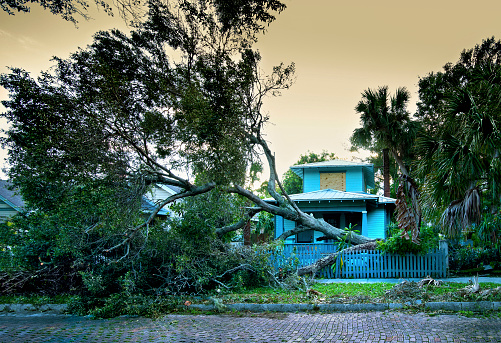
New Zealand is now on the wrong track to be able to cope with extreme storms which are arriving more frequently. A couple of weeks ago, IAG New Zealand chief executive Phil Gibson made the startling statement that the country had experienced a damaging storm approximately every eight days during the past year.
On releasing the 2026 National Climate Change Risk Assessment, commission chief executive Jo Hendy said that, 15 years ago, these kinds of storms happened about once a month on average, but now it was once a week.
She also said the national policy settings were off course, with 97% of government spending focused on responding to natural hazards but just 3% on building resilience — in other words, an overwhelming amount spent on reacting to events rather than preparing for them.
If we want a concrete example of that imbalance and the scale of the crisis, we need only think of the repeated torrential rain bringing frequent flooding along parts of the North Island’s east coast, and of Prime Minister Christopher Luxon helicoptering in with fried chicken for the locals.
Eventually it will not just be beleaguered parts of the country that are affected by recurring climate change disasters but all of us, if not as directly but through a lack of money for national needs such as education and health care. This assessment states that clearly.
It says communities are already doing hard work locally, even if that is not occurring at the national level, which is essential if we want to ultimately lower the impact and cost of future storms. Tens of thousands more New Zealanders will find themselves vulnerable to climate-change hazards by 2050.
At least $235 billion worth of buildings are vulnerable to inland flooding, let alone coastal inundation. These need to be able to cope with extreme conditions to protect the occupants’ health, make sure essential services are unaffected and ensure they can remain insurable.
The assessment also identifies the threats to other critical infrastructure, including roads and railways, telecommunications and electricity networks, ports and airports, and especially to water pipes, which in many places are badly deteriorating, suggesting that by 2050 these will be at extreme risk of failure.
There are risks to almost every thread of our lives — mental health, social cohesion, to Māori in many ways, to our unique ecosystems and biodiversity, and to agriculture, horticulture, forestry and fisheries.
The report sets out where planning and investment can make the largest difference. It reiterates acting sooner rather than later is the best approach and that reducing global emissions is crucial to give us all more time to adapt and mitigate.
The government now has two years to respond with a new national adaptation plan addressing the risks. We wonder what there may be in the Budget this year for climate-change action.
A bucket of KFC and crossing fingers that the local marae is looking after folk just won’t cut it.


